

Like a tree made of water
On December 19, 2025, we had the opportunity to welcome journalist Joseph Zárate, who took us on a journey through the Amazon via his research, carried out during two trips: one in 2023 with the Vist Foundation and another in 2025 with Radio Ambulante Estudios for the podcast "El hilo." Joseph remarks how everyone has a place in the world that resonates with them. In his case – having been born in Lima and residing in an urban area – the Amazon is a place he always returns to, where he stays for a while and carries out his research.
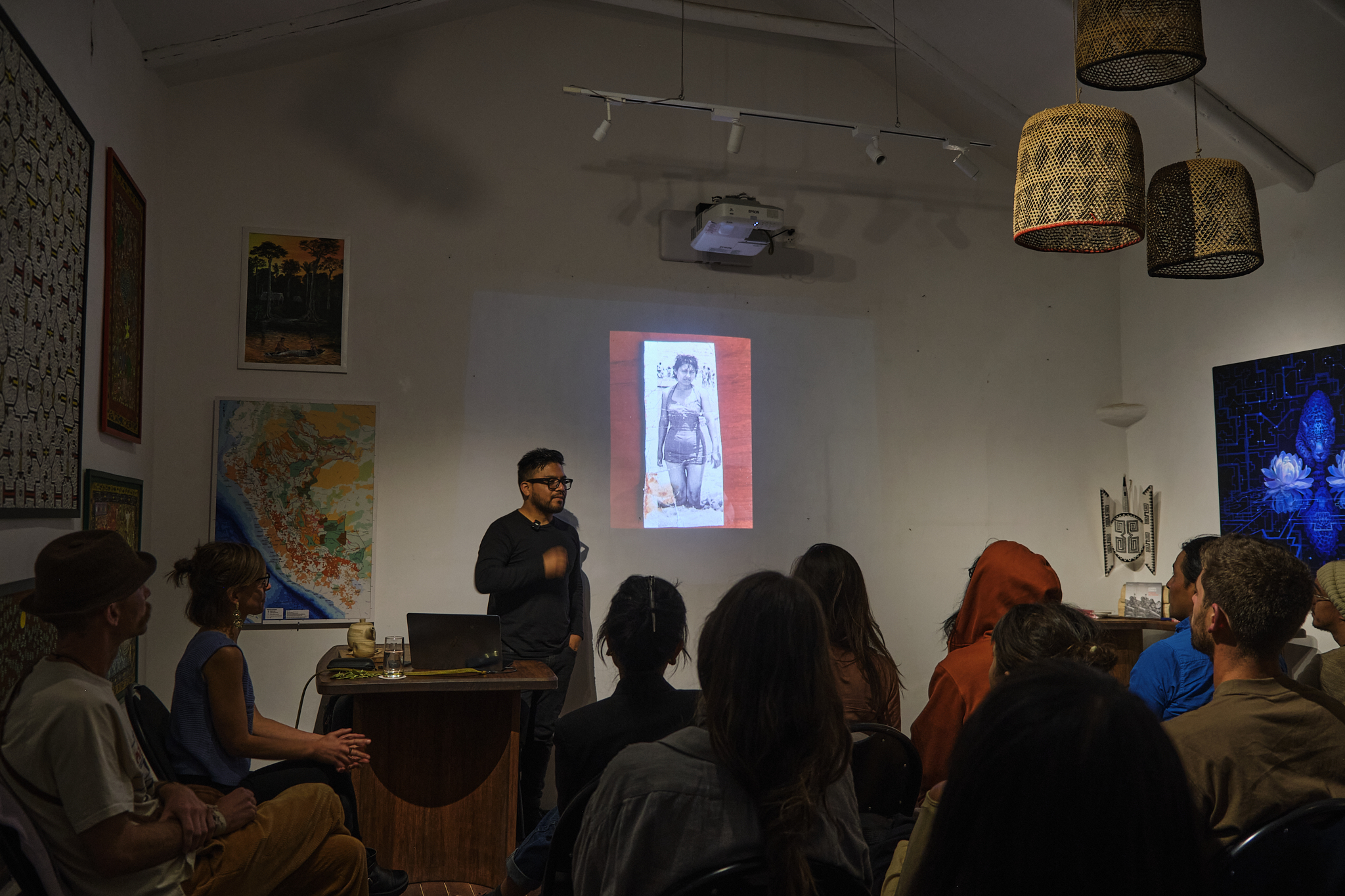
He began his presentation with a picture of his grandmother, whose roots come from the Kukama-Kukamiria community on the banks of the Marañón River, and through whom his connection with the Amazon began. His grandmother moved to San Martín de Porres, a district in Lima populated by migrants from the Andes and the jungle, where Joseph grew up and was educated.
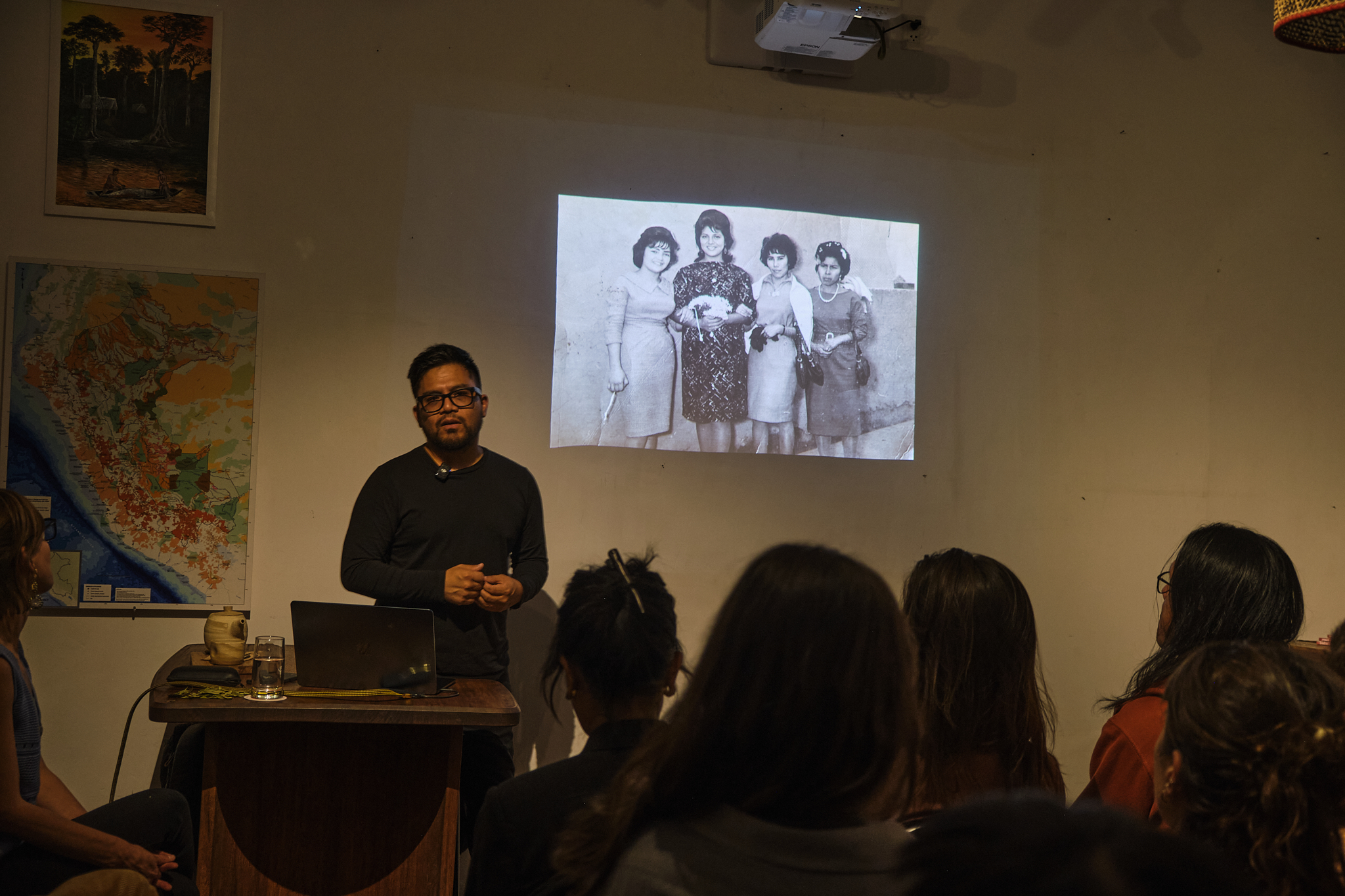
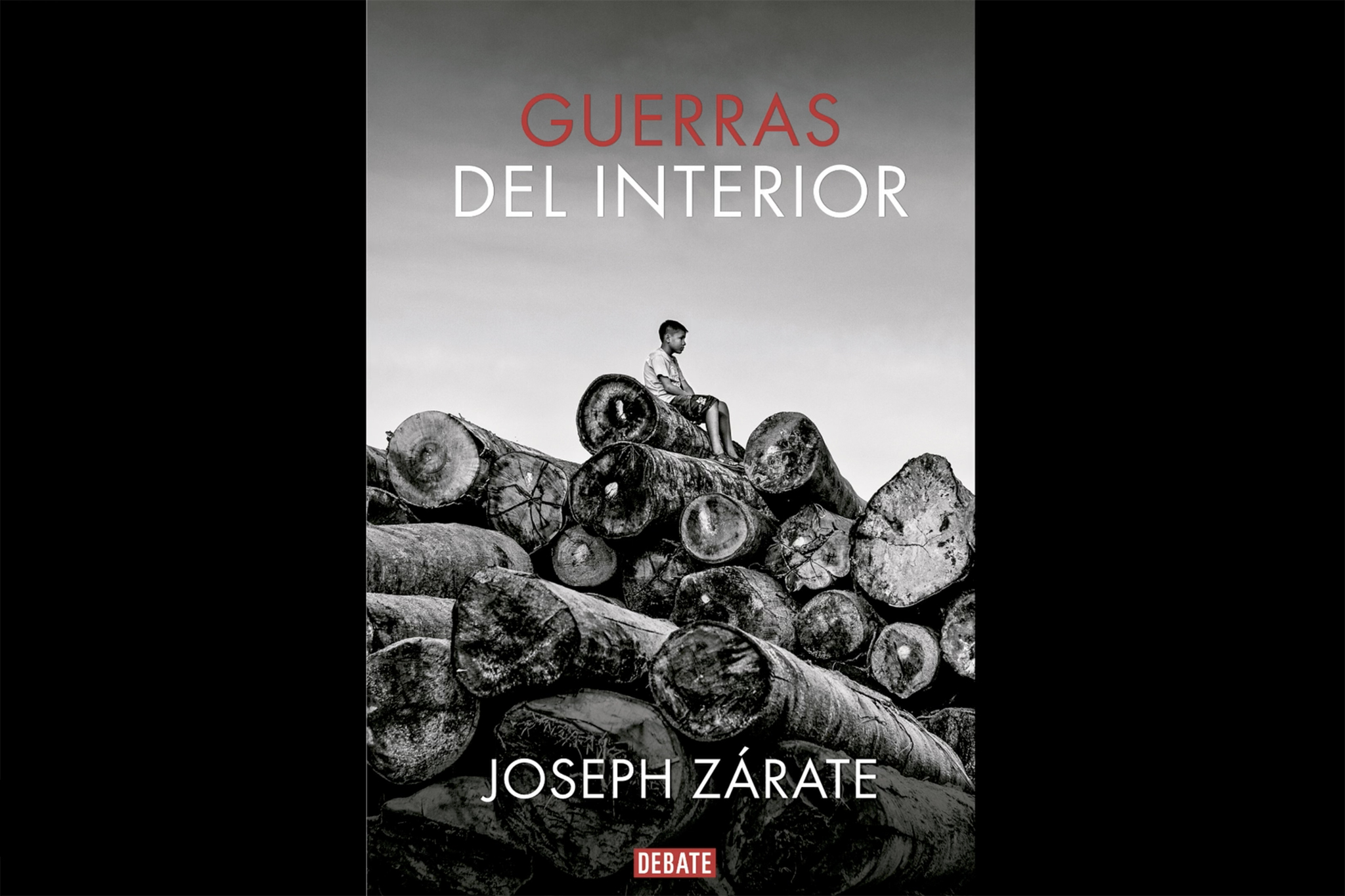
Our initial encounter with Joseph came through his book of chronicles, "Guerras del Interior" (Wars of the Interior), in which he recounts stories of the corruption caused by extractivism and the defense of the land by communities and activists. In this book, he recounts the cases of Edwin Chota, Máxima Acuña and the Awajun people. It serves as a starting point for questioning what ‘progress’ means for a state and for communities. We thus encounter very different perspectives, complexities within these territories and, furthermore, the opportunism that an environmental disaster can bring in the name of ‘progress’.
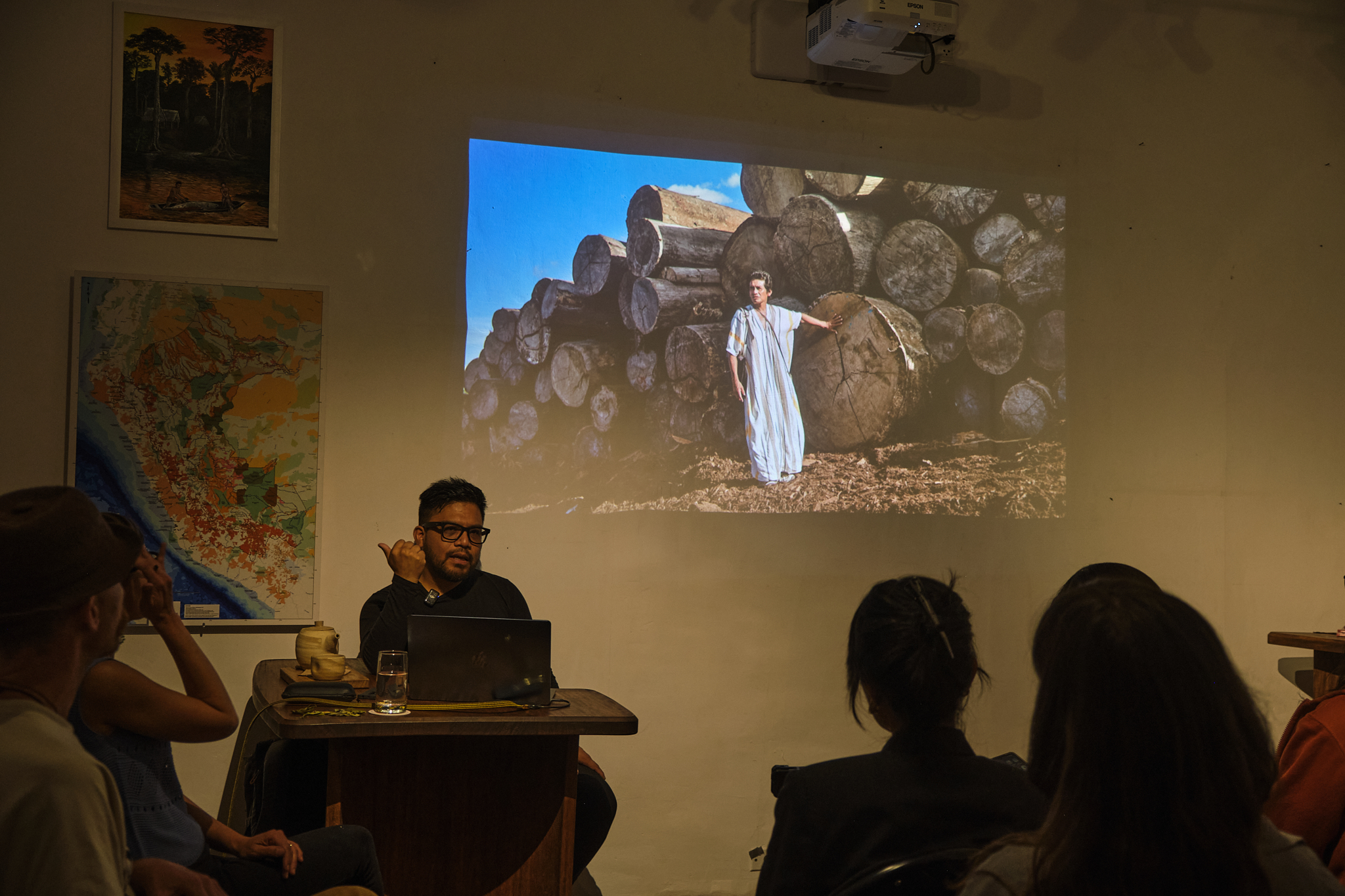
“As a journalist, I am deeply interested in using narrative journalism and chronicling as a weapon, to tell stories about the tension that exists between the destruction caused by extractivism…”
~Joseph Zárate
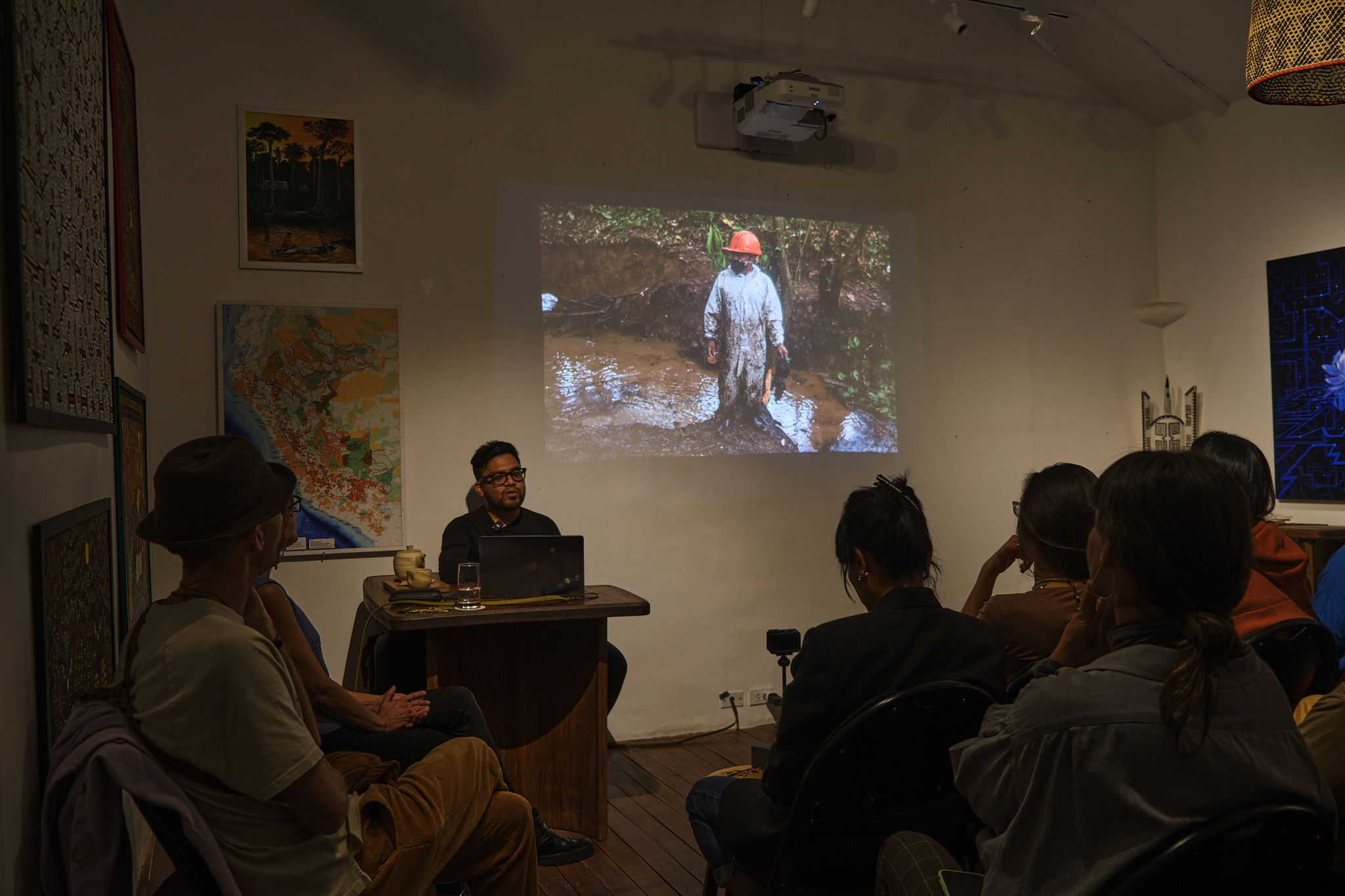
In his talk, Joseph draws on his grandmother’s life and this first book to help us understand his desire to go beyond the call of journalistic duty. On two occasions, he travelled more than 3,000 kilometres from Quito, down the Napo River to Belém do Pará – the same route taken by Francisco de Orellana in 1542 when he discovered the Amazon River for the Western world.
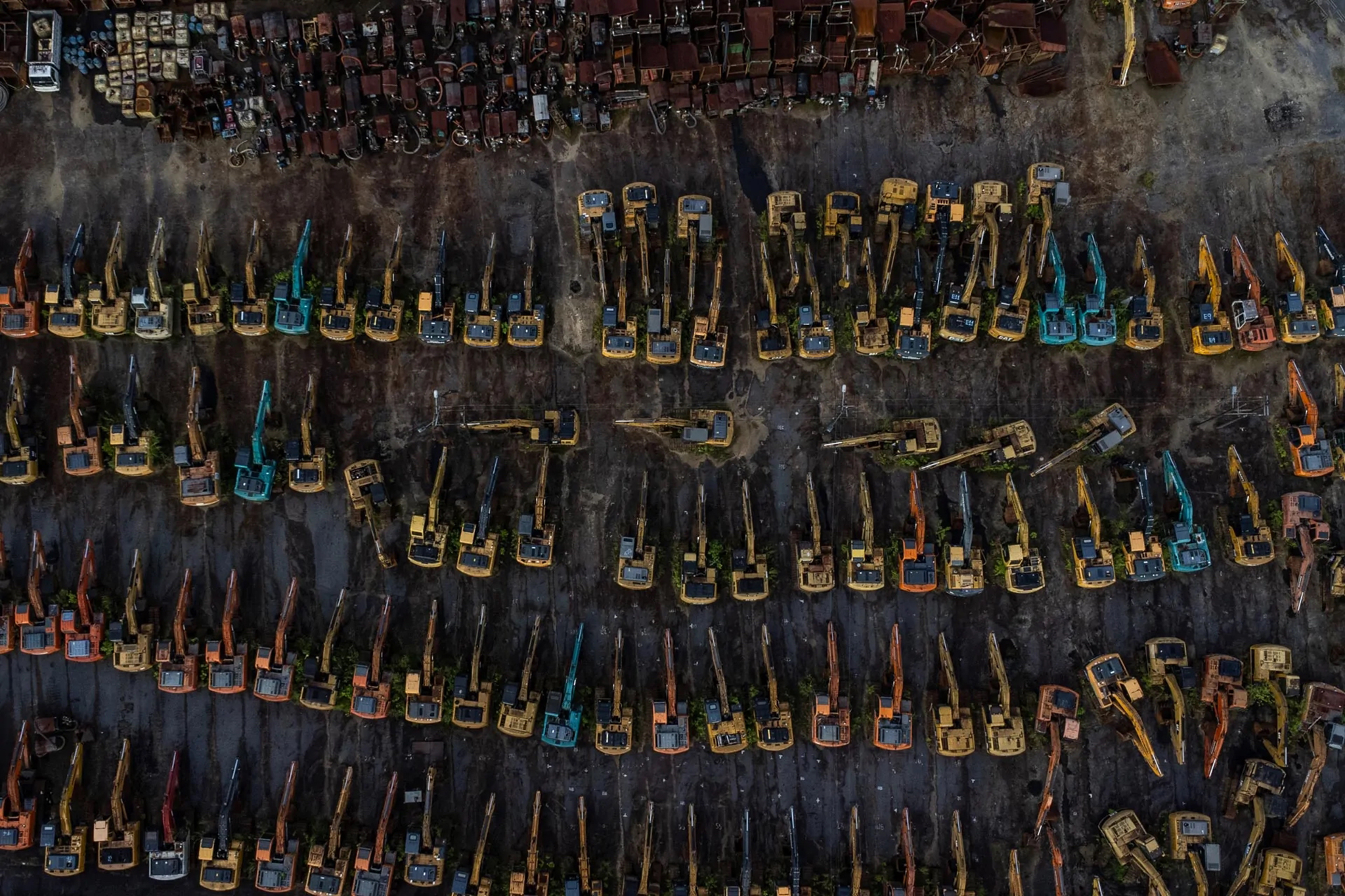
On an assignment for the Vist Foundation on the “Amazonía es aquí” platform, he travelled through the Amazon, witnessing the region’s diversity and the fact that more than half the population lives in cities. On his second trip, with the support of grants and Radio Ambulante, he produced the podcast “Amazonas adentro”, travelling through Ecuador, Colombia, Peru and Brazil, starting in the Ecuadorian Andes and ending at COP30 in Belém do Pará. Through these journeys,, he was able to gather stories of resistance and struggle, by spending time with people affected by industries such as mining, deforestation, carbon credit schemes, oil extraction, hydroelectric projects and soya fields.
For Joseph, Indigenous people are at the heart of nature and have an innate drive to understand the existential and spiritual dimension of the men and women who live in the forest. How do they see the world? What is the nature of their deep connection with nature? These are some of the questions he shared with us during his talk.
He also has plans to write a book recounting his journey down the Amazon River, exploring its Amazonian roots by drawing on his own travel experiences and comparing them with the accounts of others over the past five centuries. He will continue his research at the British Library and will continue to add to his own library, compiling further books for the benefit of Latin American researchers.
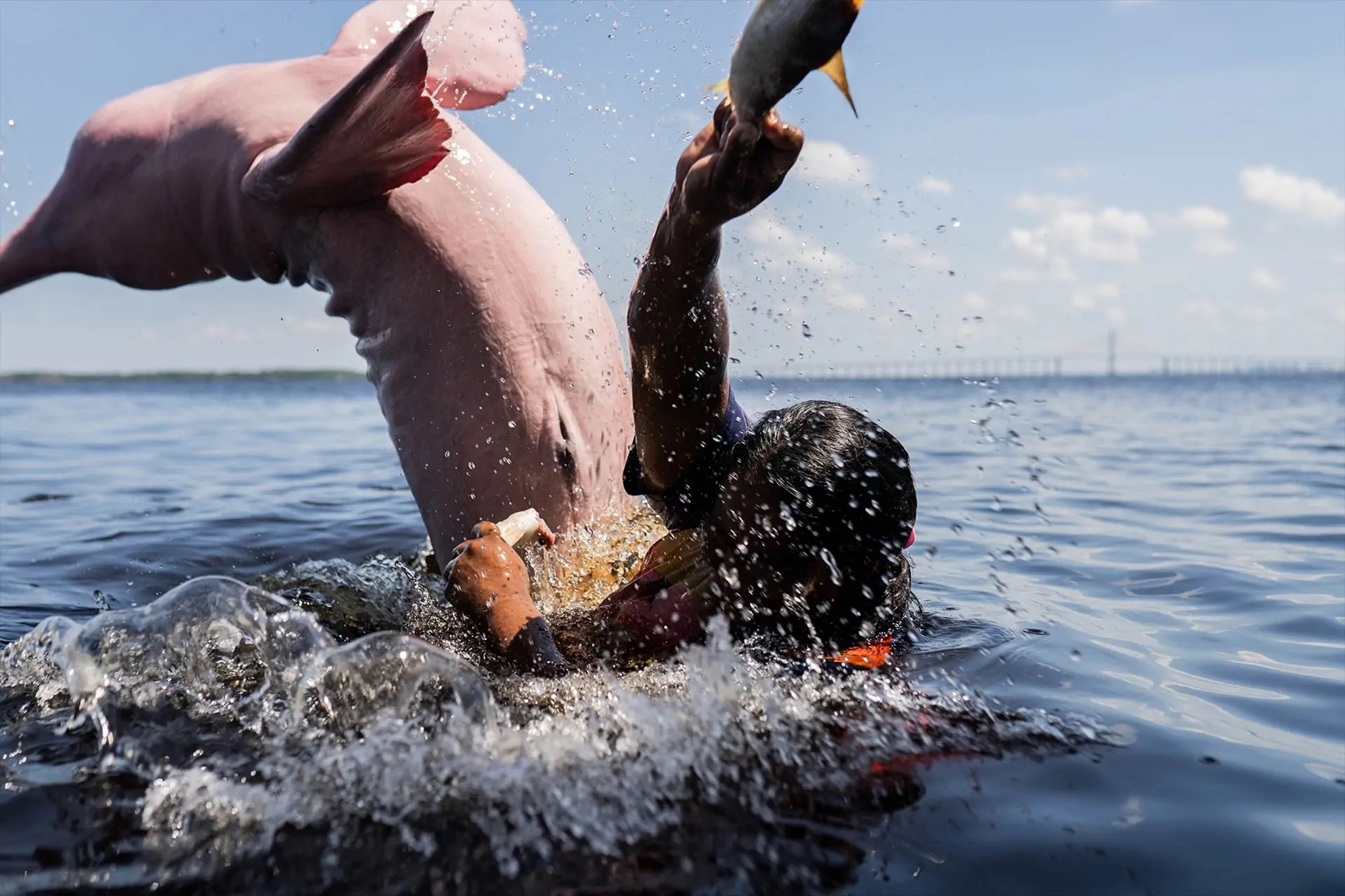
“The river carries things along: animals, plants, pieces of tree trunks, poisons, rubbish. It stirs up many things within me..."
~Joseph Zárate
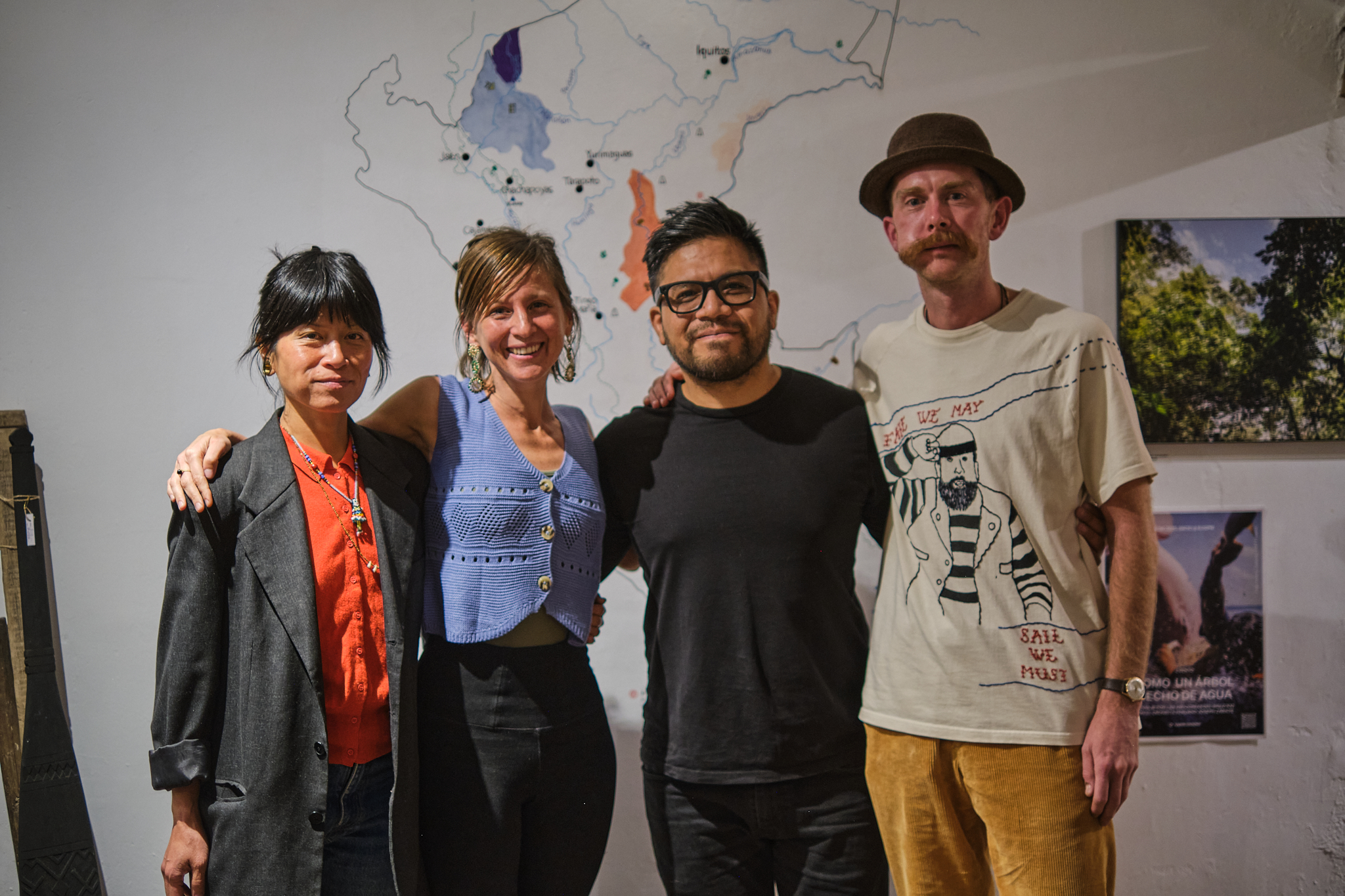
Thank you, Joseph, for sharing your stories, born of your commitment to staying, observing and understanding people, and for using videos and images to provoke our emotions and perspectives.
Biography | Joseph Zárate
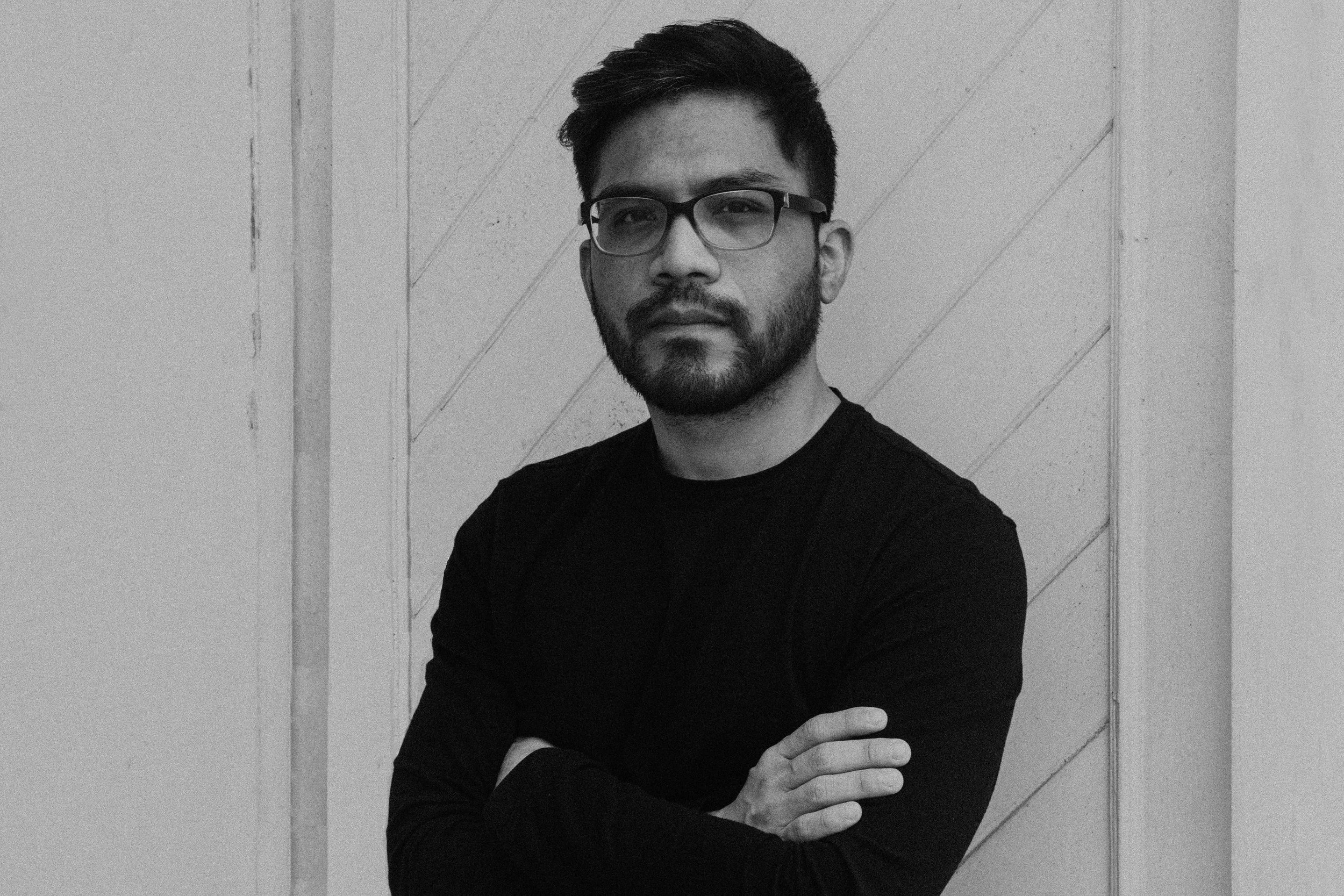
Joseph Zárate is a journalist and editor. He received the Eccles Institute & Hay Festival Global Literature Prize 2025, the 2018 Gabo Prize in the Text category, the 2016 Ortega y Gasset Prize for Best Story, and the 2015 PAGE National Prize for Environmental Journalism, established by the UN. He is the author of "Guerras del interior" (Debate, 2018), a non-fiction book on socio-environmental conflicts caused by the exploitation of gold, timber and oil in the Andes and the Amazon.
For his reports on funeral work during the COVID-19 pandemic in Peru, collected in his book "Algo nuestro sobre la tierra" (Literatura Random House, 2021), he received the 2020 National Journalism Prize, a Special Mention in the 2022 National Literature Prize in the Non-Fiction category, and was nominated for the 2020/21 True Story Award. His work is included in the anthologies "En otro país" (Candaya, 2024), "Rabia: Crónicas contra el cinismo en América Latina" (Anagrama, 2022), "Volver a contar: writers from Latin America" in the British Museum’s Archives (Anagrama, 2022), "Un mundo lleno de futuro" (Planeta, 2017), and "Eduardo Galeano, un ilegal en paraíso" (Siglo XXI, 2016), amongst other publications. He is currently a lecturer in non-fiction on the Master’s in Creative Writing programme at the Pontifical Catholic University of Peru (PUCP) and has been involved in "Amazonias, el futuro ancestral," an exhibition at the Centre for Contemporary Culture in Barcelona (CCCB) dedicated to the knowledge and biodiversity of this region of the world.


