

Recovering identity through clay
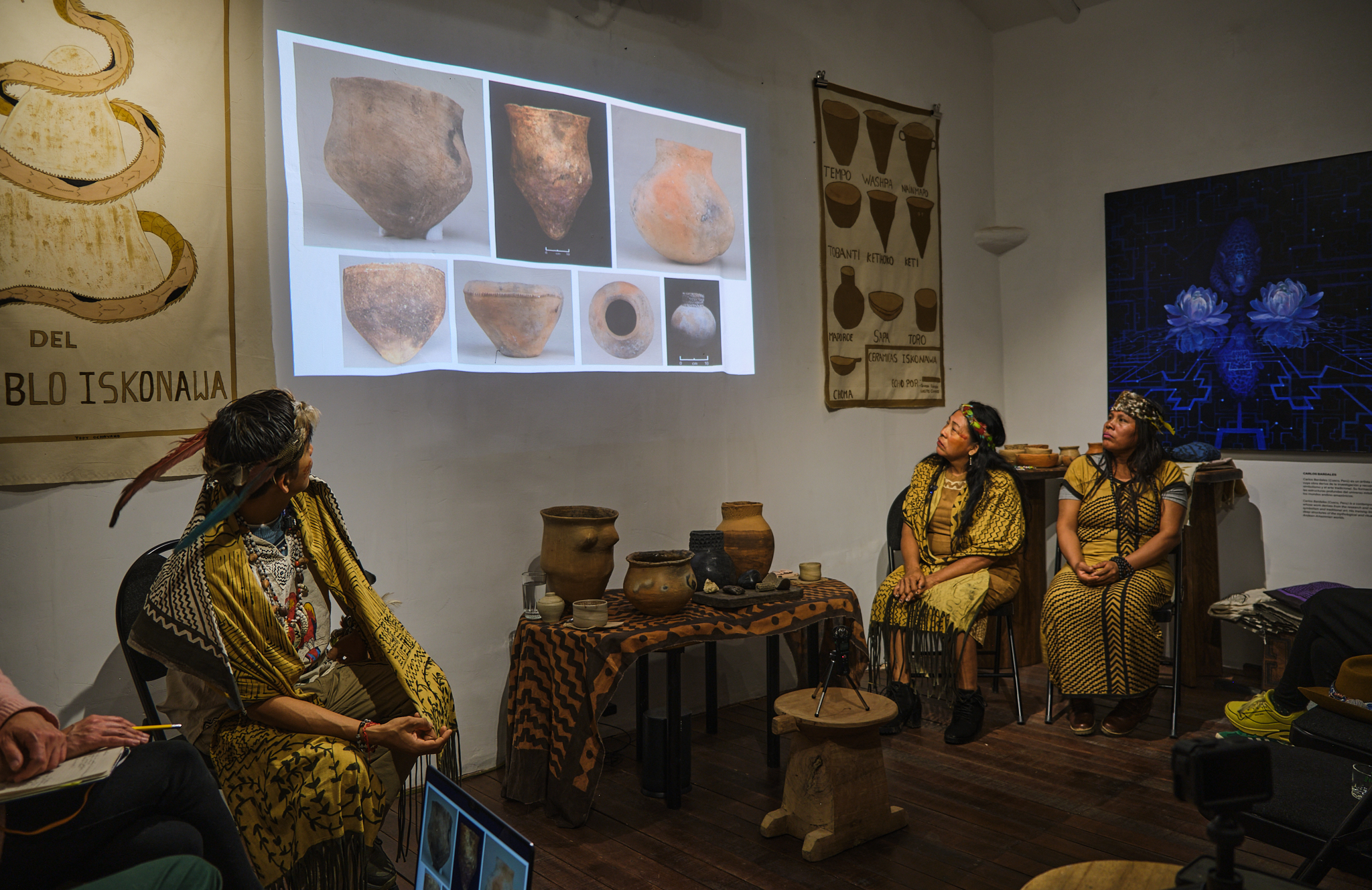
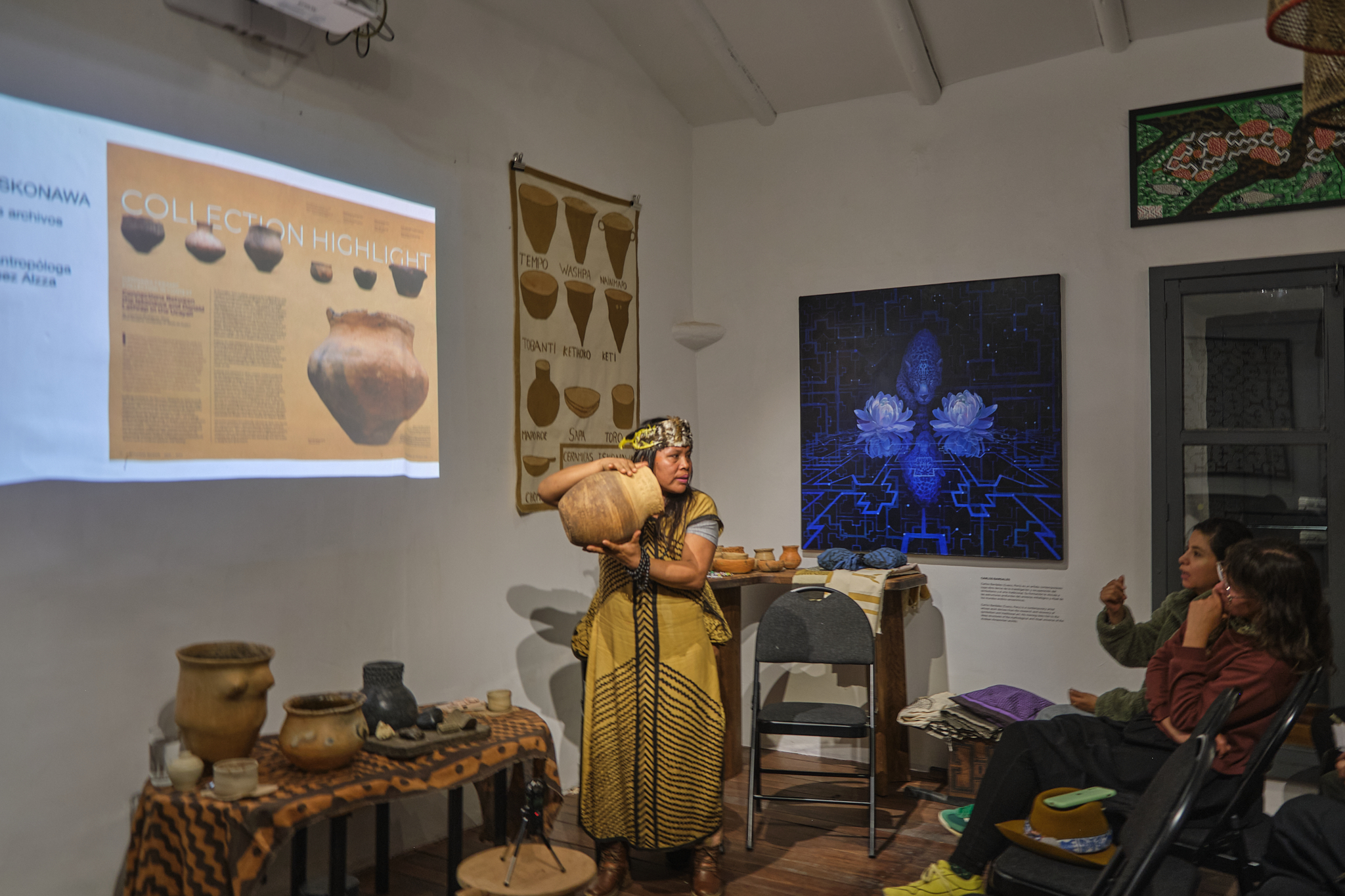
On the 28th of November 2025, we welcomed Iskonawa leader Felix Ochavano Rodriguez, his mother Teresa Rodriguez Campos, and her niece Neyra Perez Rodriguez for "EWEN MAPO APAHOTI," an exhibition celebrating the revival of Iskonawa ancestral ceramics through workshops held in co-creation with the female artisans of the Pari Awin Iskonawa Artisans Association and Xapiri Ground.
This exhibition marked the first public showing of Iskonawa ceramics realized today, where the method of curation centered around communicating the process and history in order to generate a deeper understanding of this ancestral ceramic practice that had not come into contact with the women of this generation.
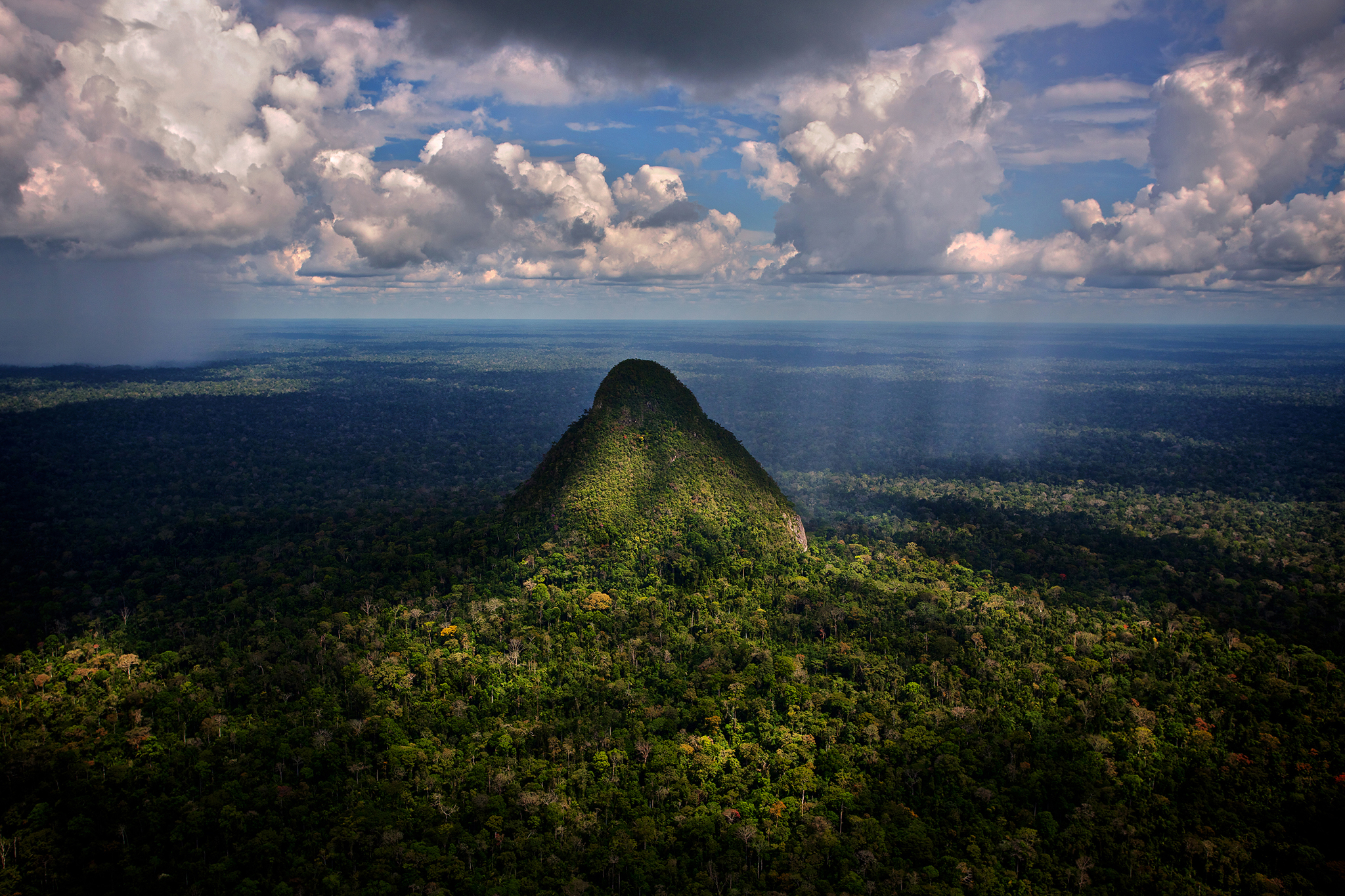
The Iskonawa are an Indigenous people of ‘initial contact’ who, in 1959, were displaced from their ancestral territory at the foot of “Roebiri” or El Cono Hill; a place that represents their life, their strength, their journey as a people.
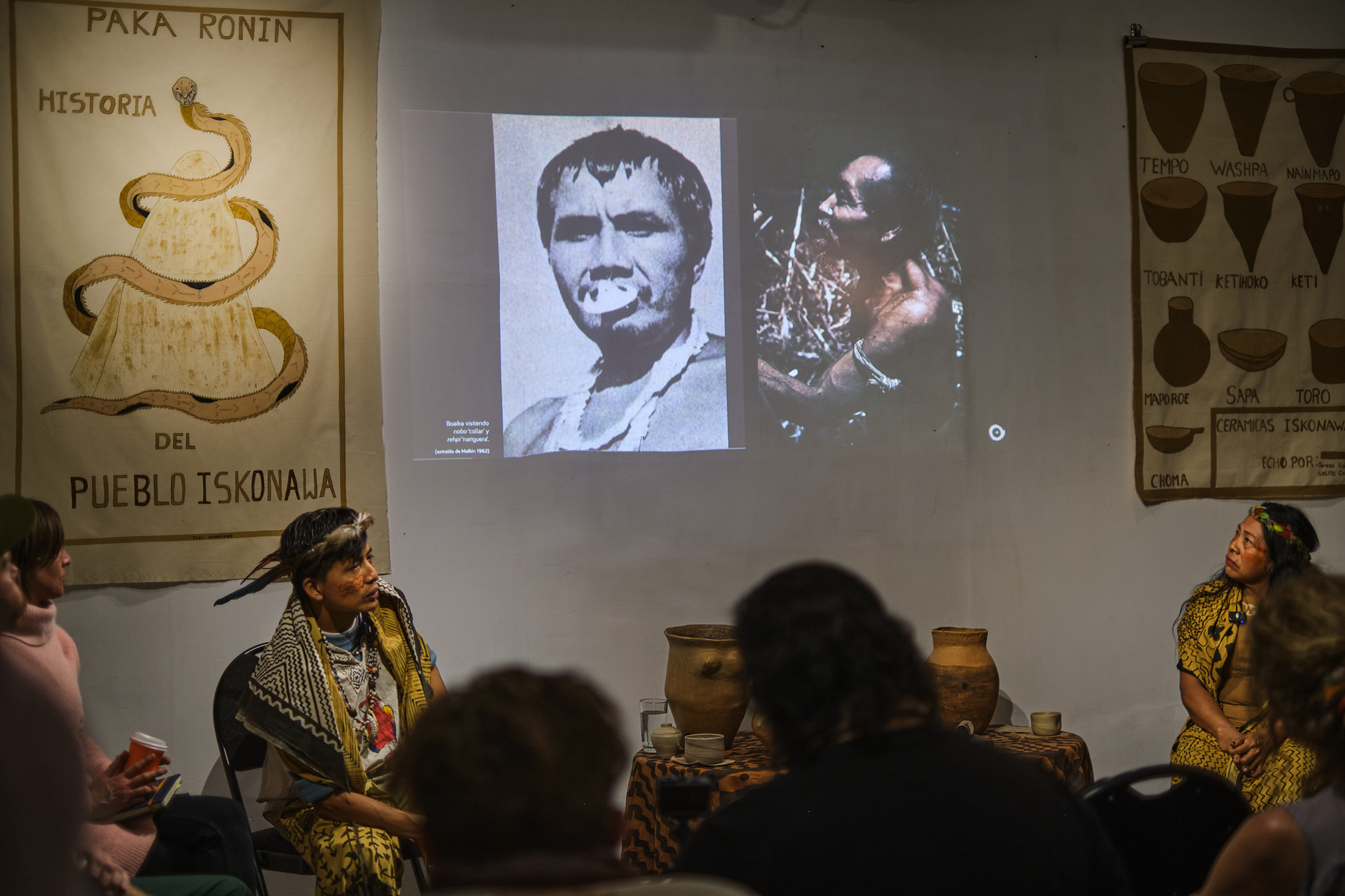
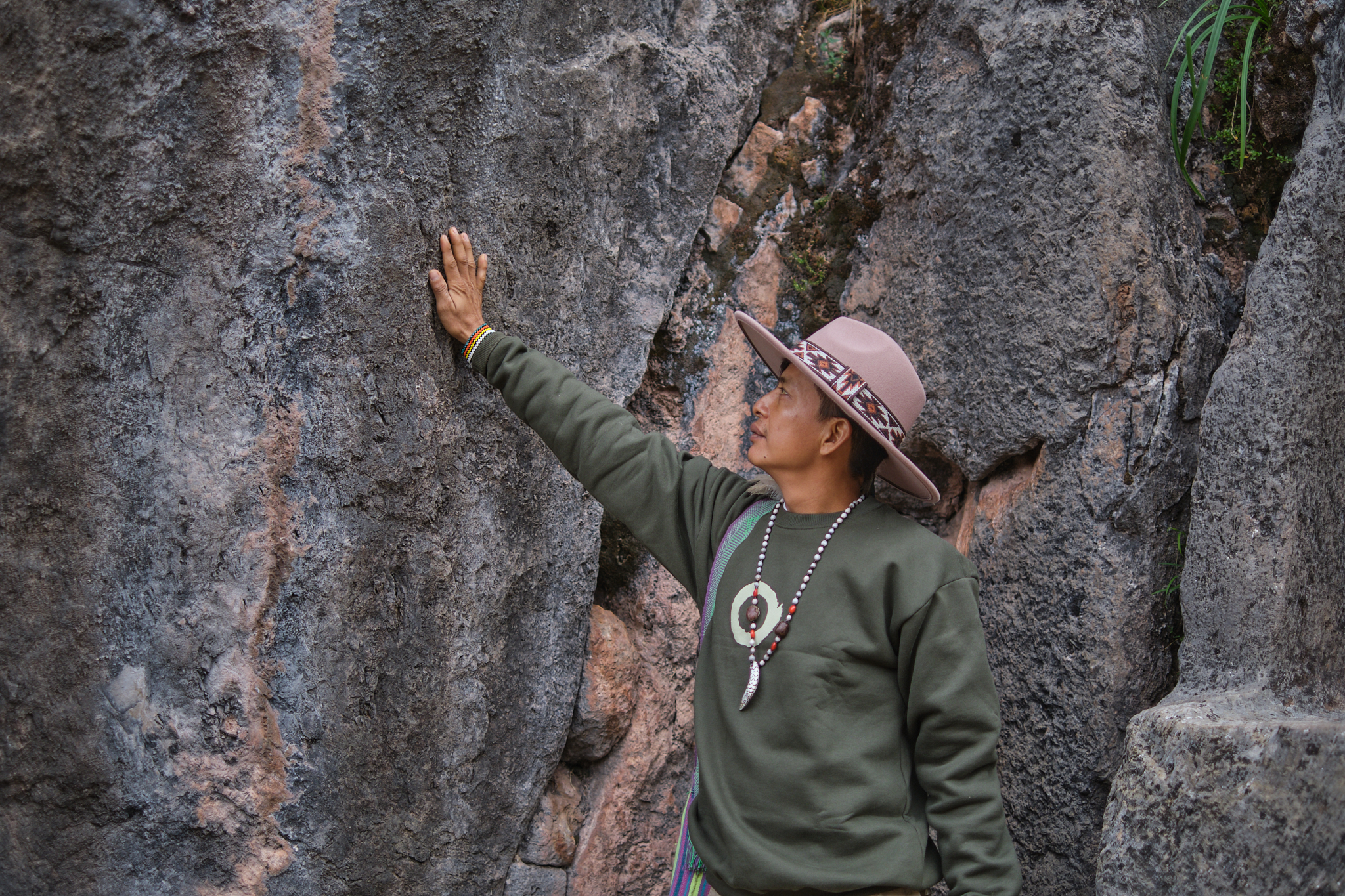
"Well, there were about 50 of us who left and this has had an impact on the population since we first made contact," recalls Felix Ochavano Rodriguez. At the inauguration, Felix spoke strongly about his people's history, having been marginalized and the various struggles of identity for which they've had to fight to make their culture known and recognized.
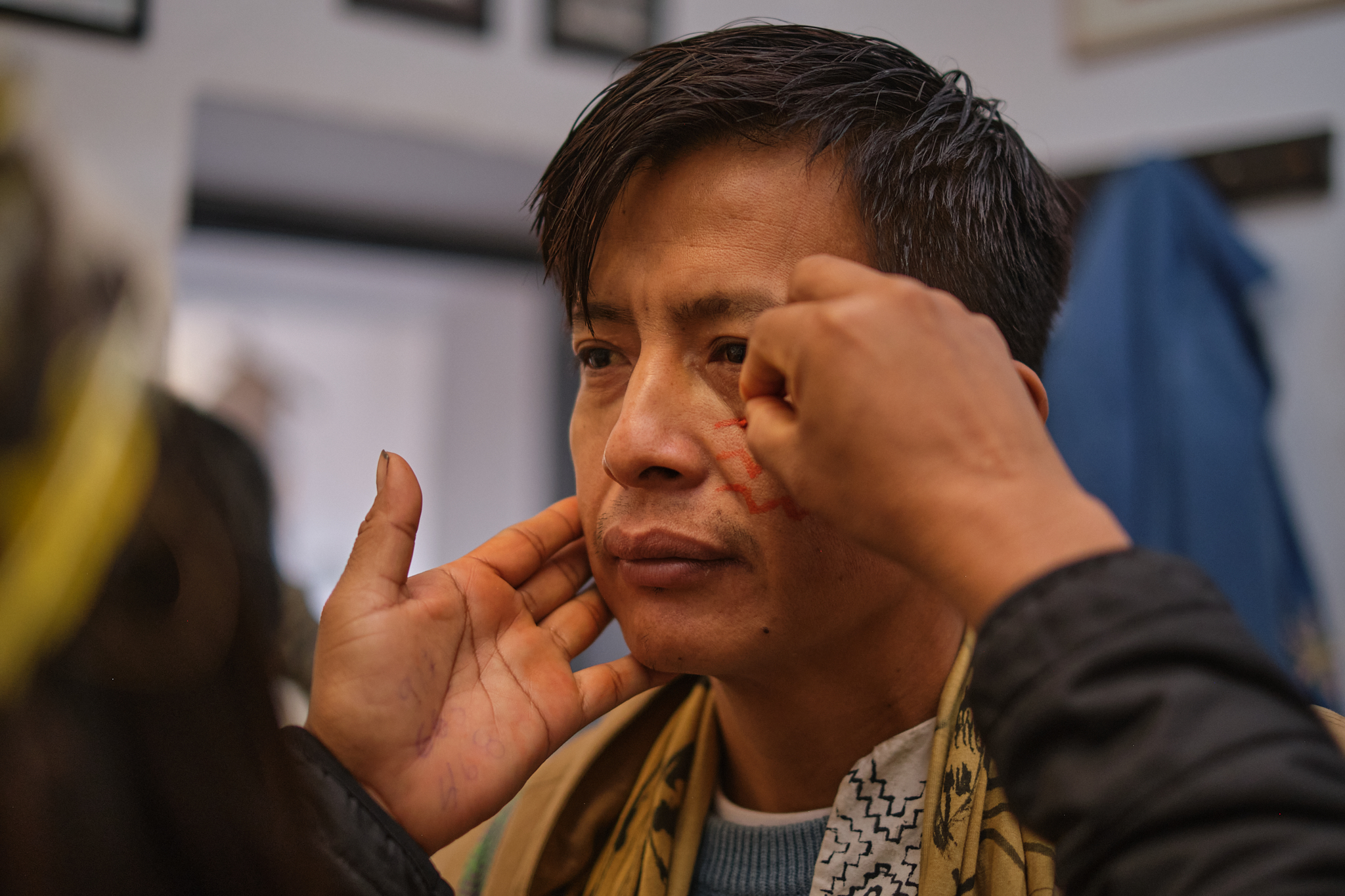
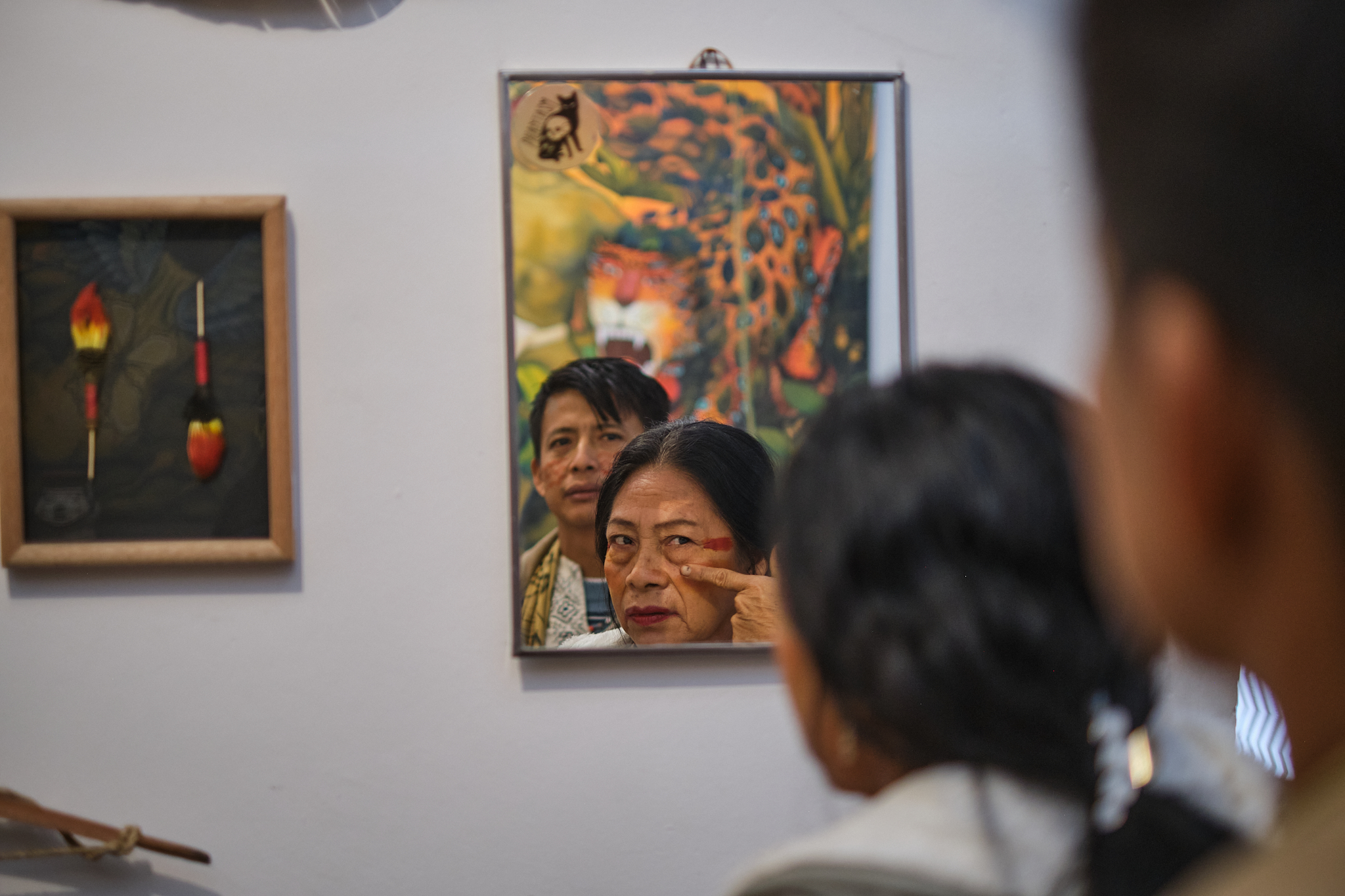
"Over the years, we, the Iskonawa people, have had discussions amongst the third-generation youth, affirming that our people have always been here as an Indigenous group in this part of the Ucayali region of the Peruvian Amazon. It was like a wake-up call to then face the struggle, the loss of our traditions."
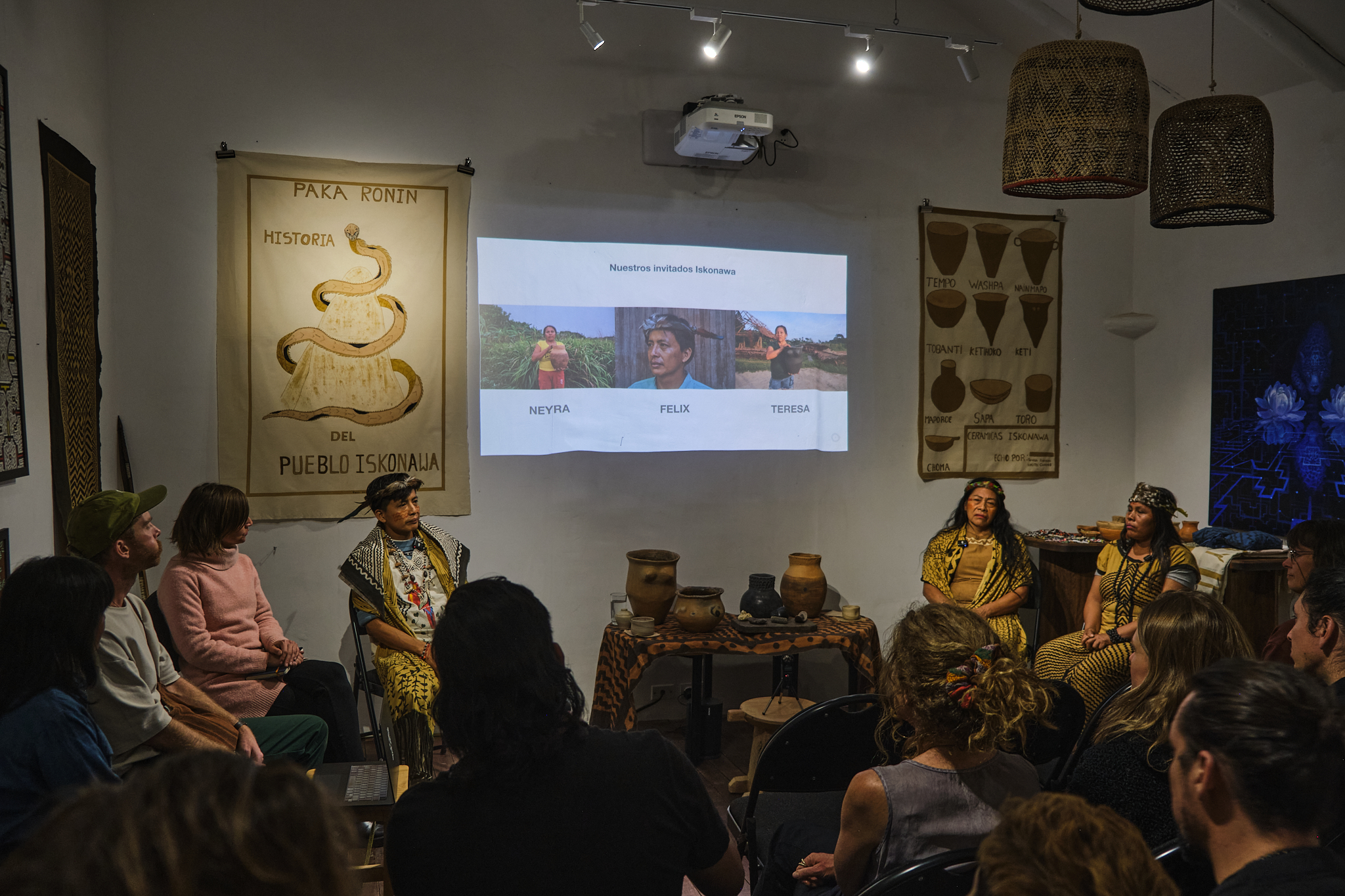
Over the course of a few years, as we gradually got to know this community more, it was agreed between the Pari Awin Association and its president at the time, Teresa Rodriguez Campos, to co-create a workshop that would reactivate their memory and practice of the Iskonawa ceramic tradition.
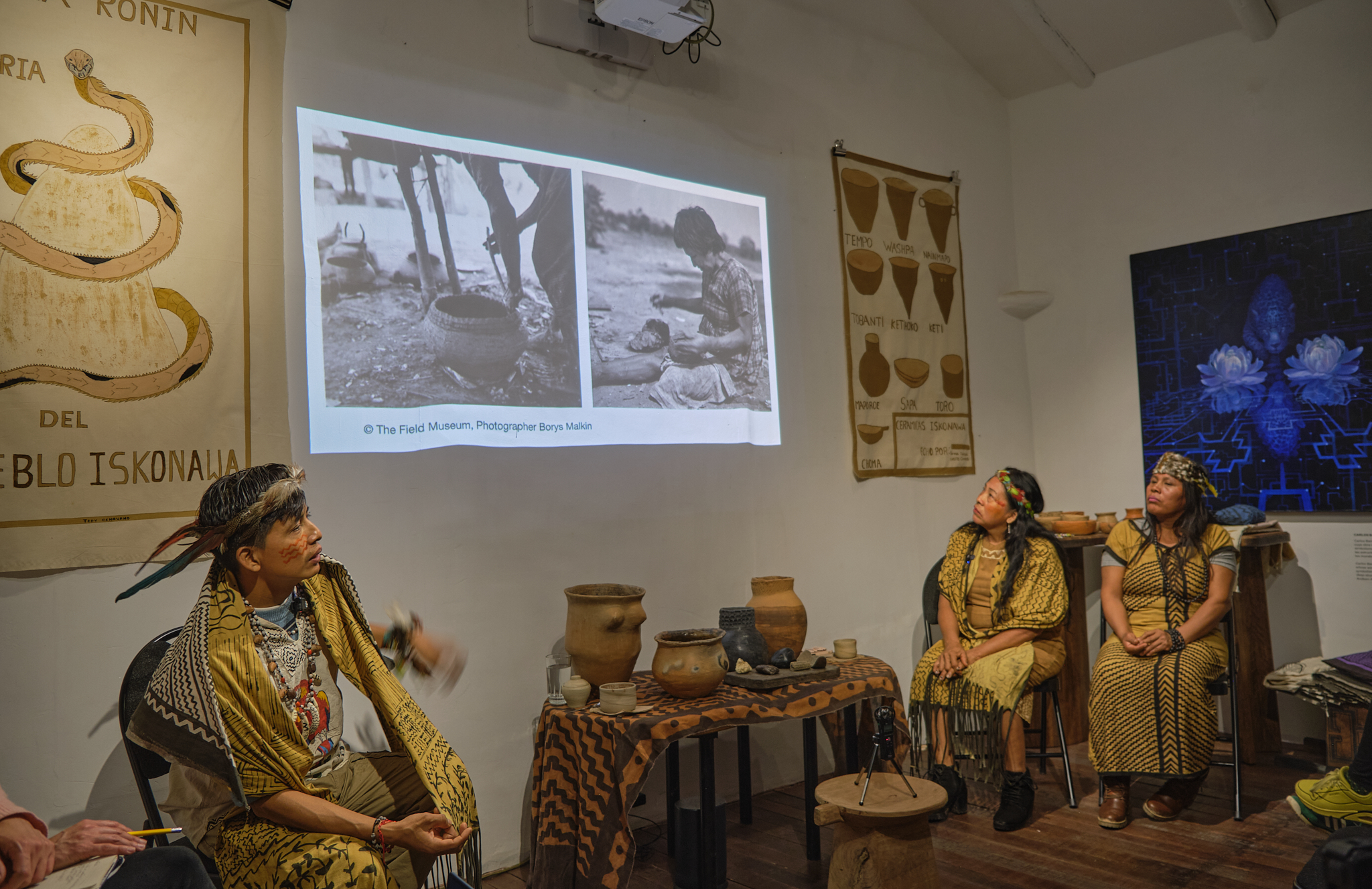
Felix shares the history of anthropologist Boris Malkin and his extensive collection of Iskonawa material culture known to date, featuring Iskonawa ceramics and photographs which had remained stored in archives and museums for more than six decades. These pieces are currently housed at the Field Museum in Chicago, the American Museum of Natural History, and the Spurlock Museum in the United States.
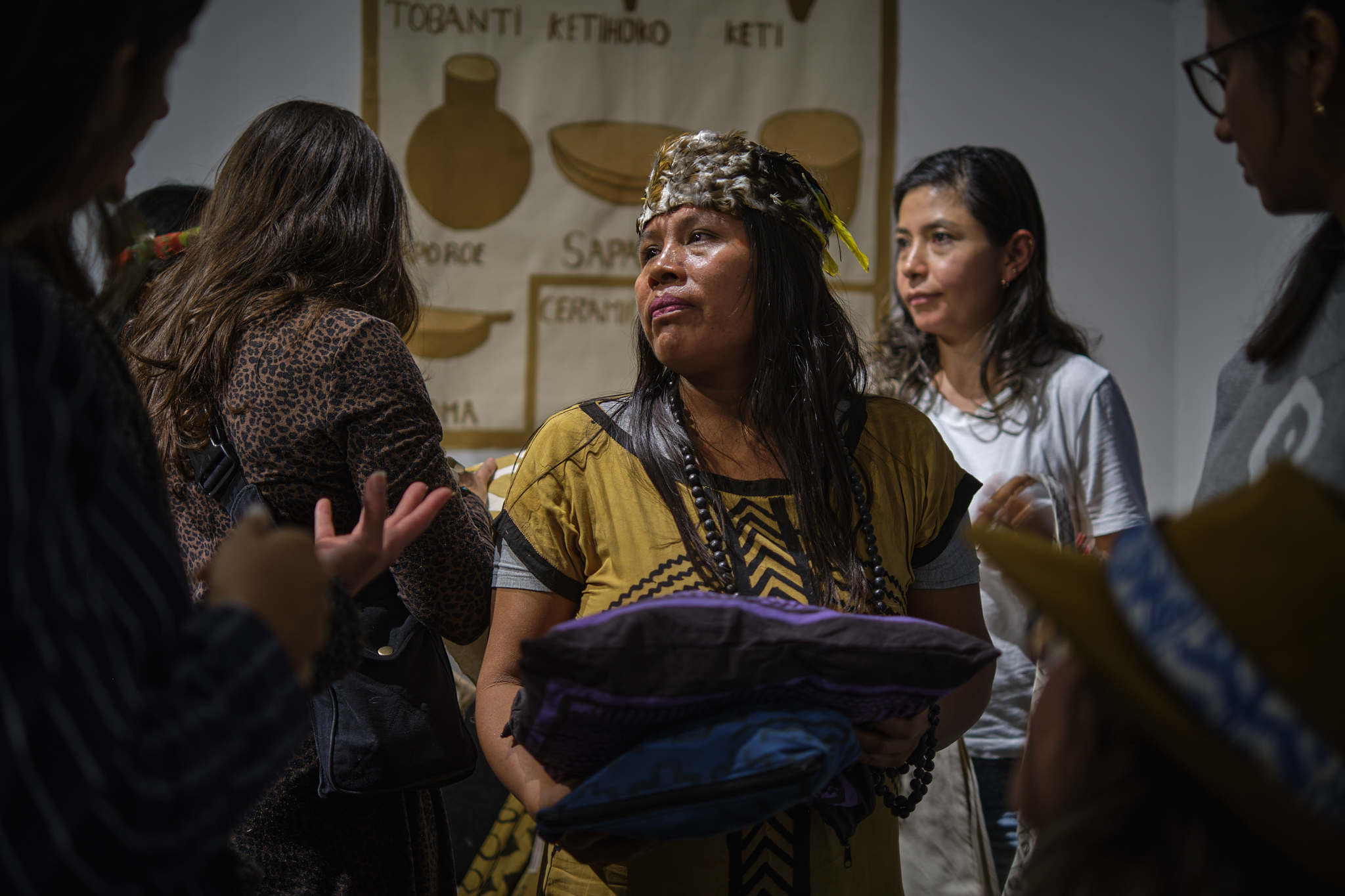
Through this memorial encounter, it became clear to Neyra, Teresa, Felix, and their community that the reclamation of their ancestral practices will continue to play an important role in strengthening their cultural identity today and for the generations to follow.
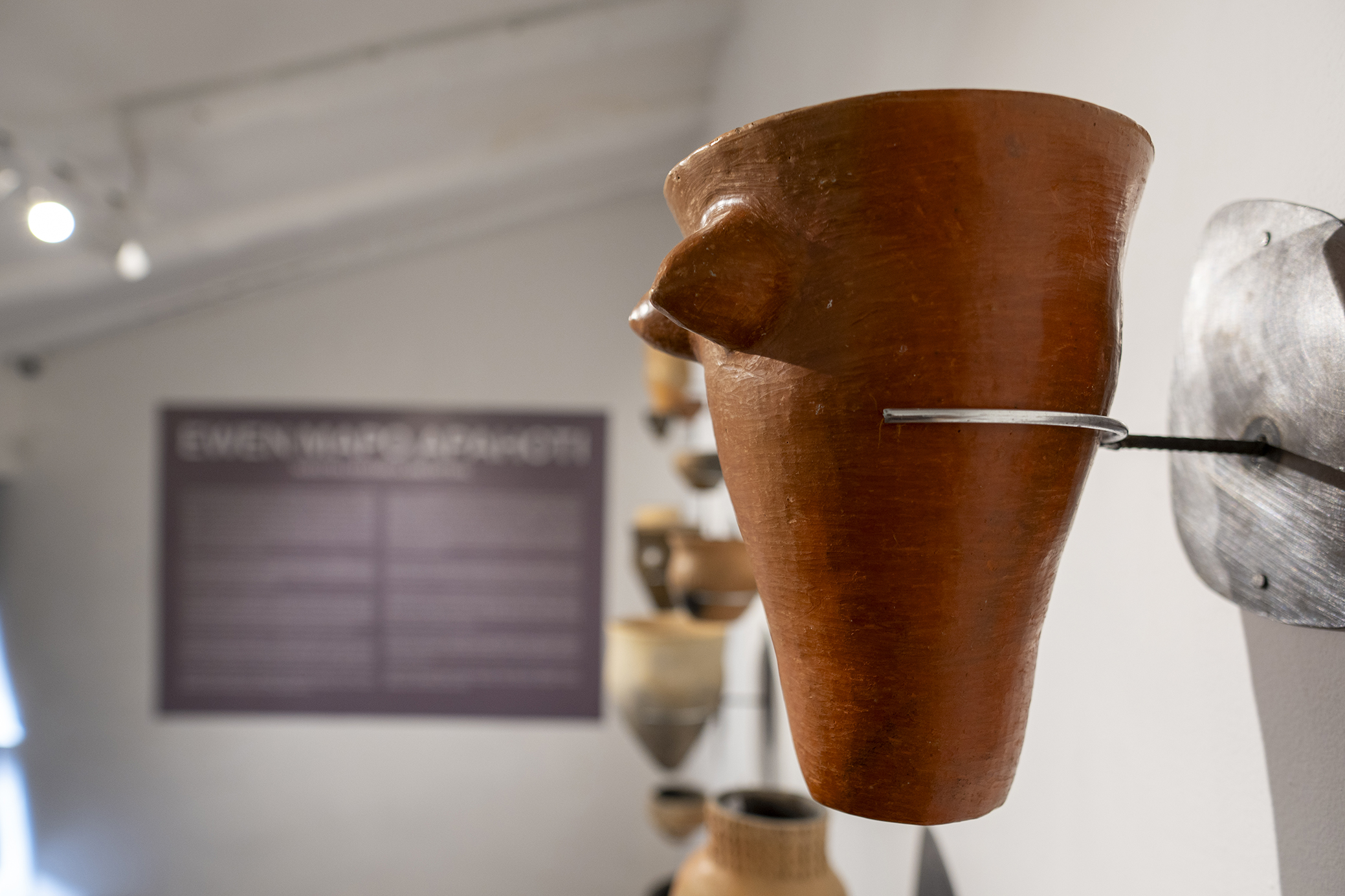
The collection of ceramics that were exhibited in "Ewen Mapo Apahoti" is the result of this two-year extensive process of trial and error, laughter and enthusiasm from the collective of women who participated in its becoming. Learn more about this exhibition here.
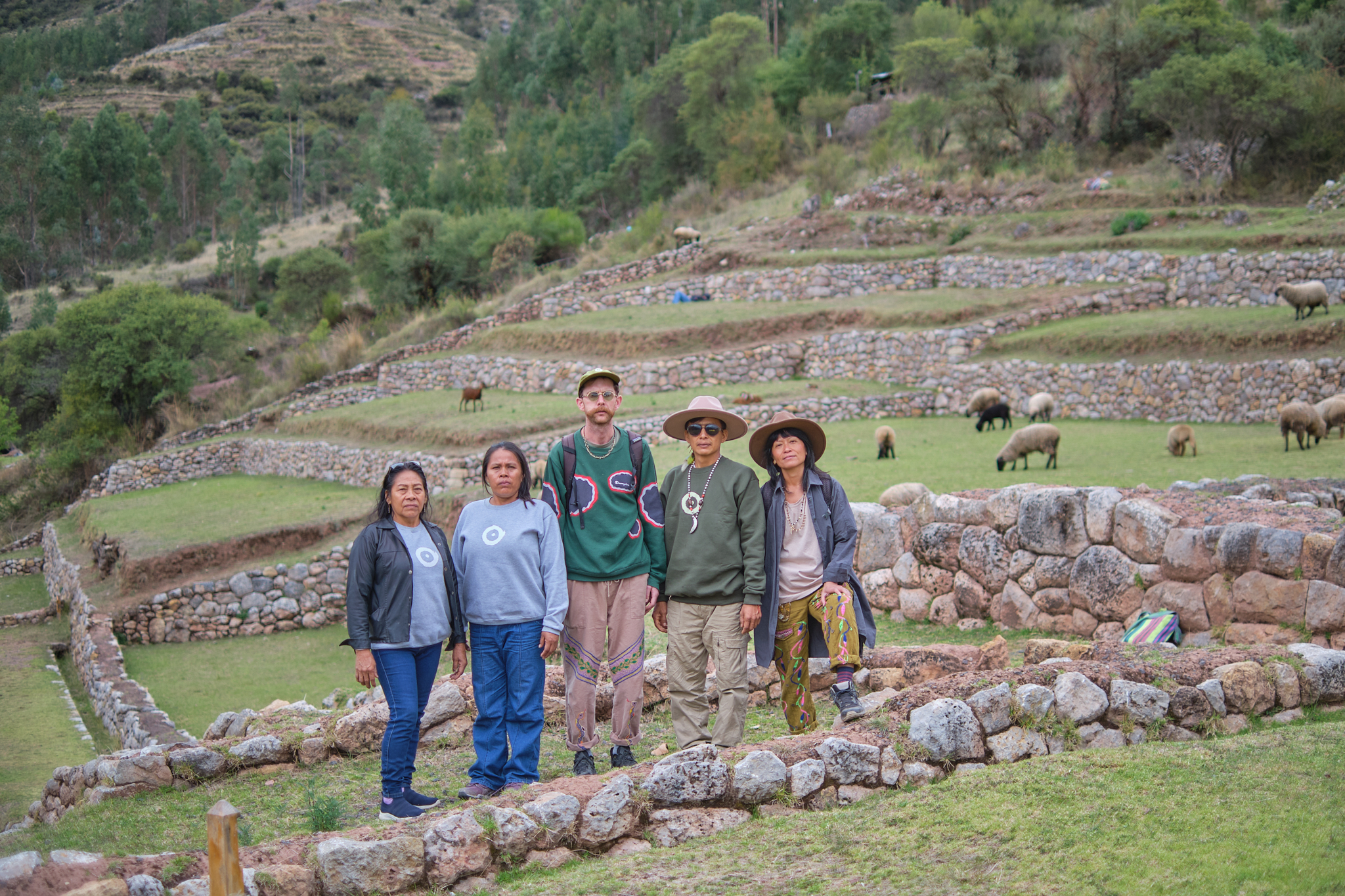
A special thank you to the Pari Awin Iskonawa Artisans Association, Teresa Rodriguez Campos, Neyra Perez Rodriguez, Nelita Campos Rodriguez, Felix Ochavano Rodriguez, Carolina Rodriguez, and the Iskonawa community for continuing this journey of art and culture with us.


