EWEN MAPO APAHOTI
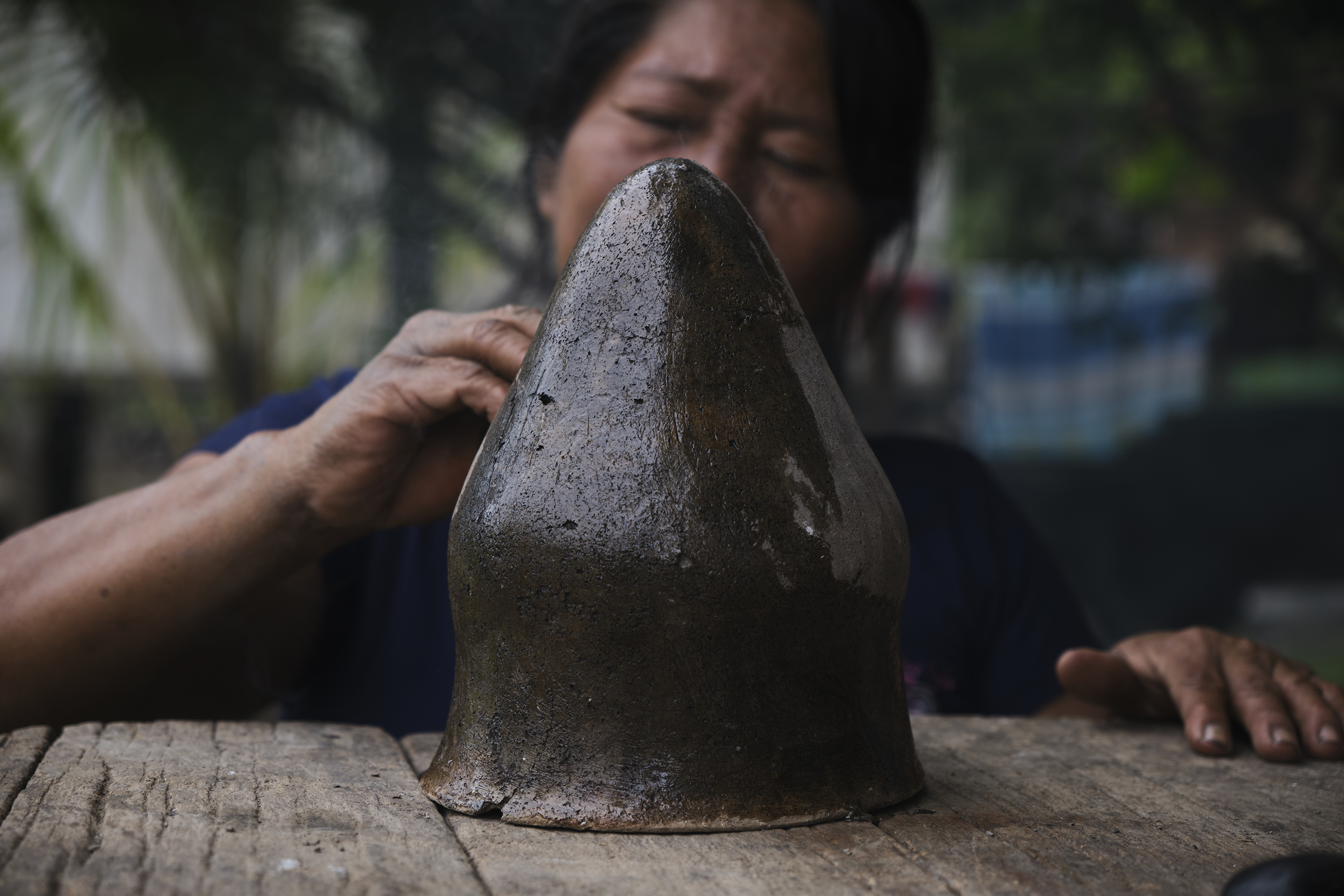
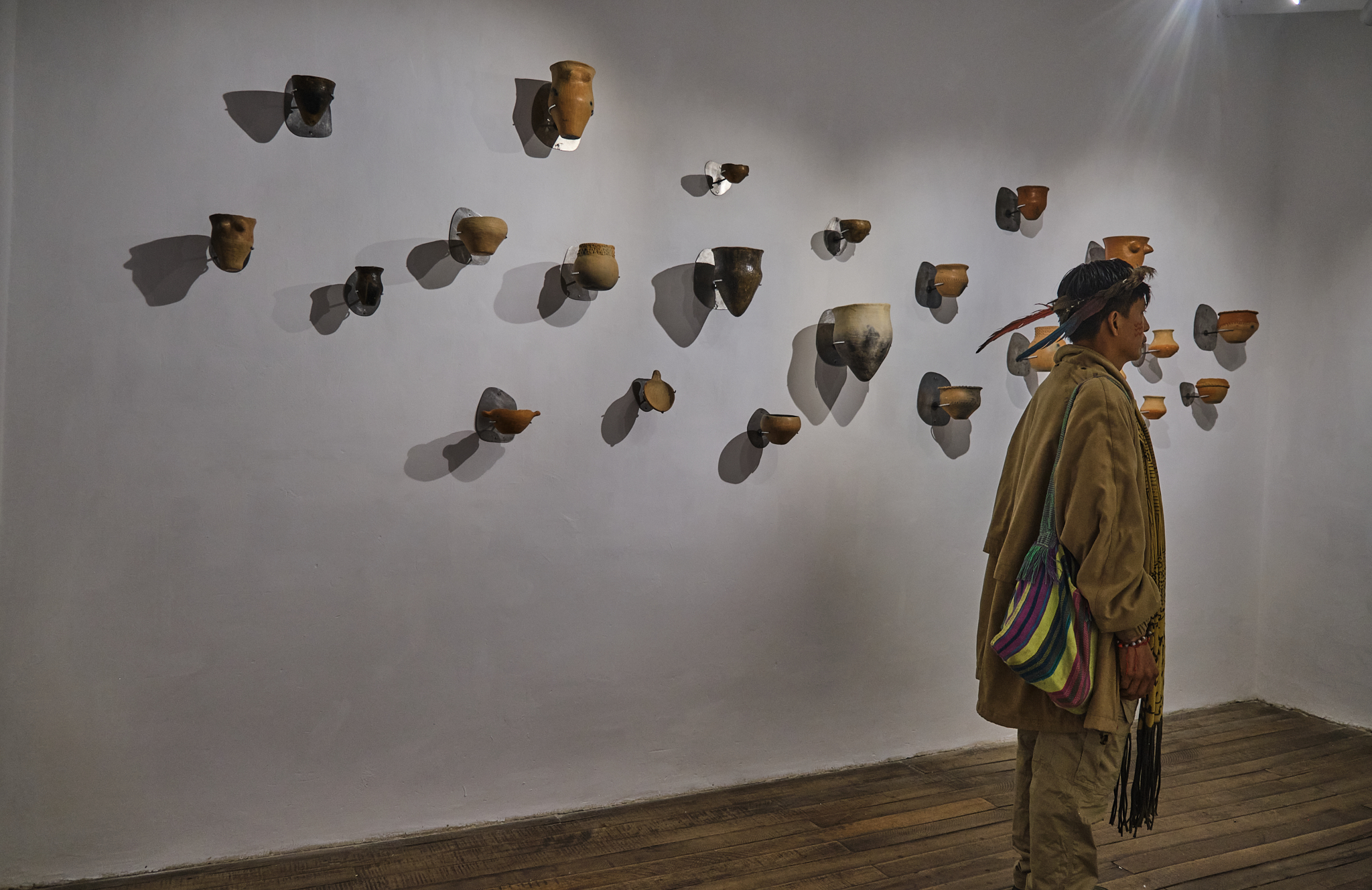
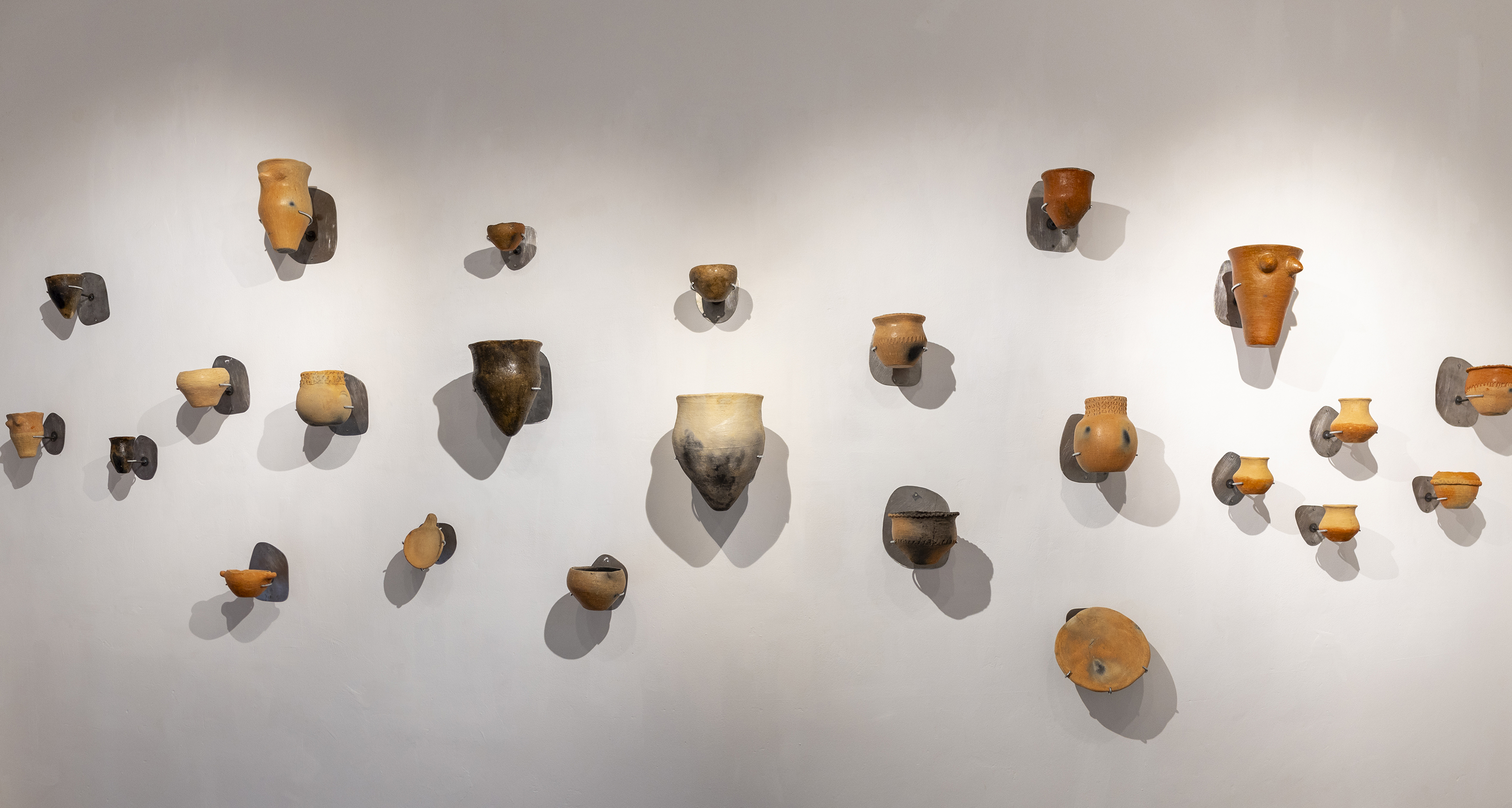
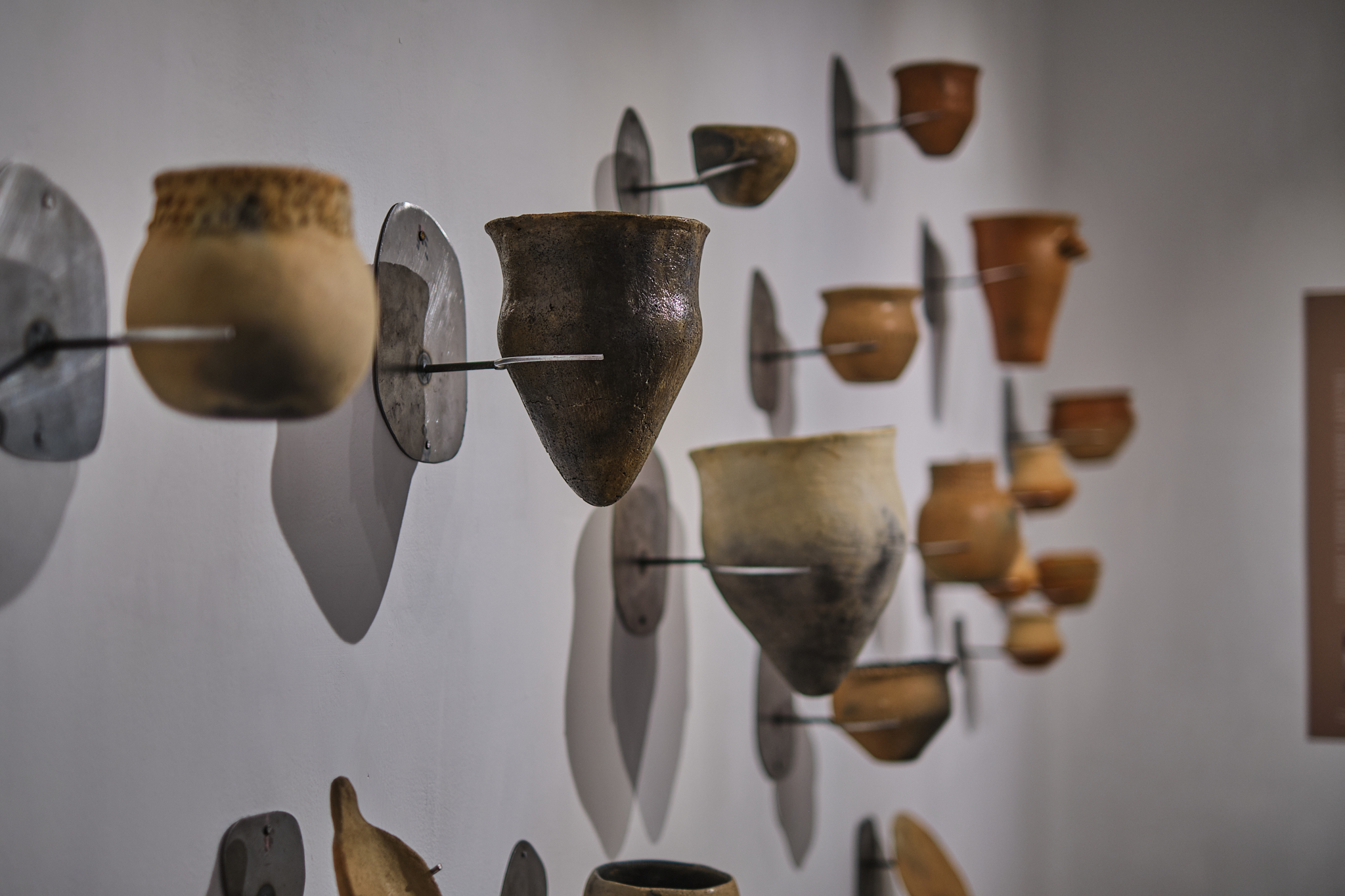
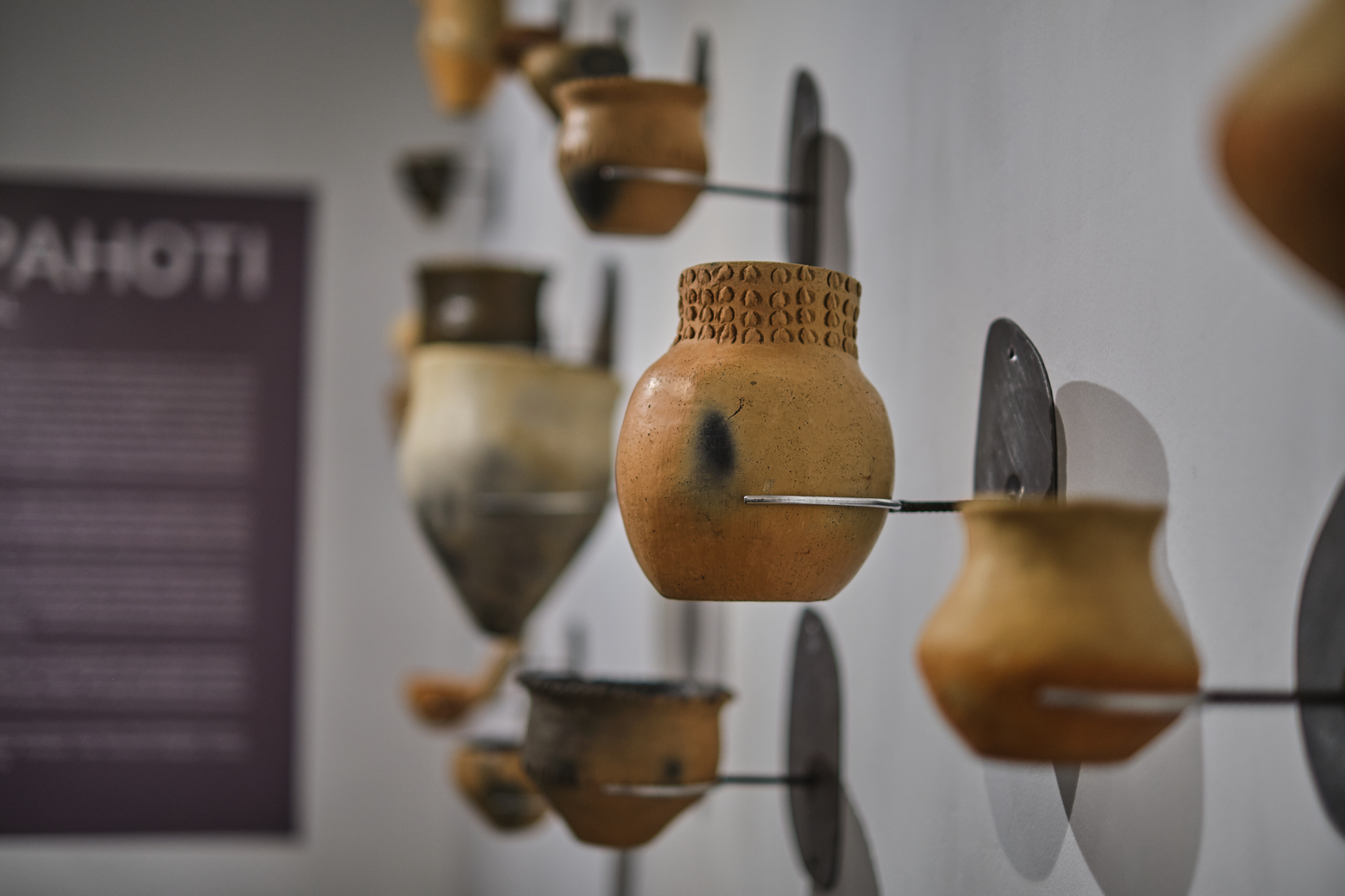
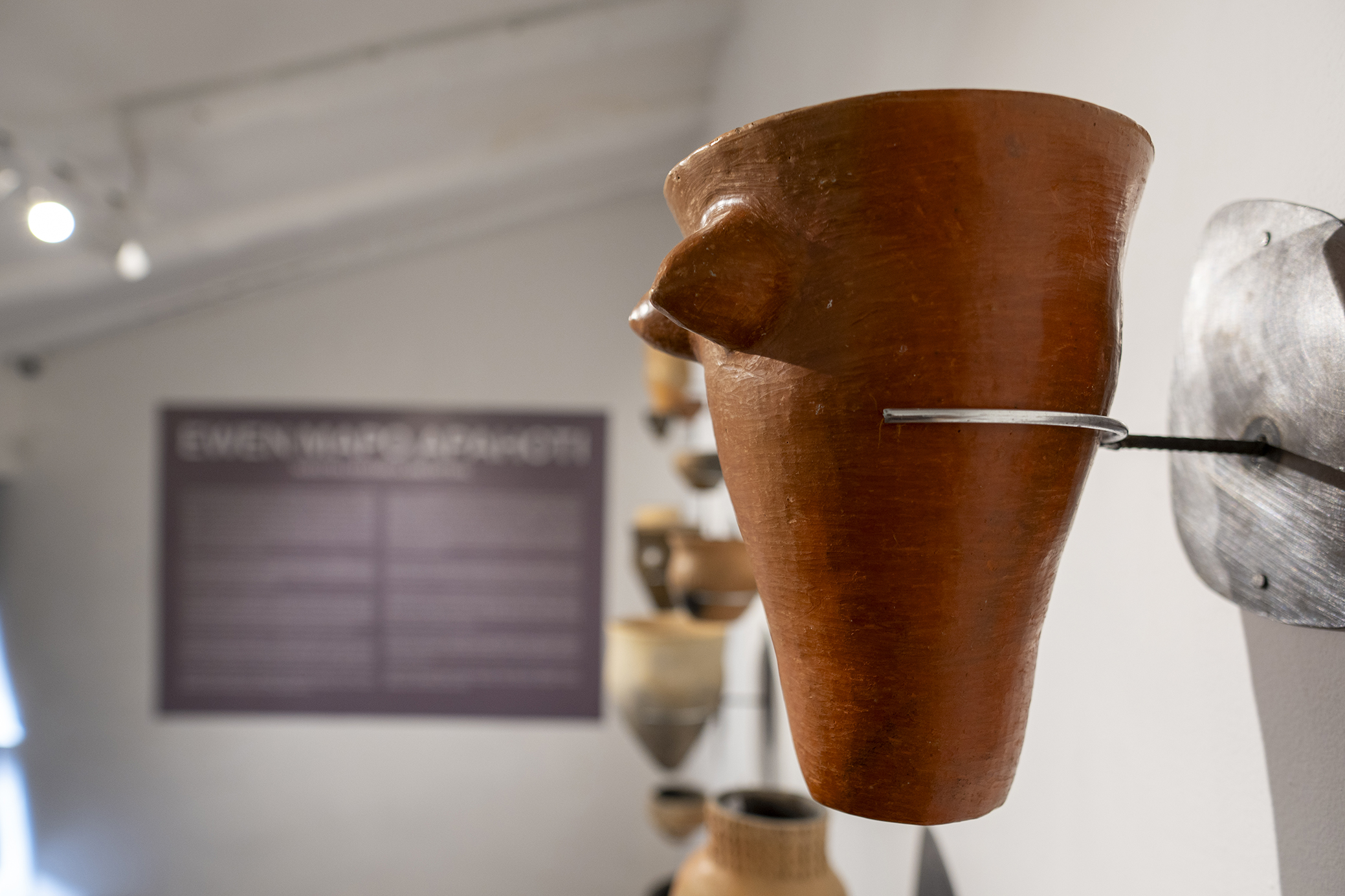
“Ewen Mapo Apahoti” is an exhibition that celebrates the revival of Iskonawa ancestral ceramics through the work of female artisans of the Pari Awin Iskonawa Artisans Association. Collectively, we have shared numerous interactions with the community, in dialogue with the female elders and youth, aiding in the recovery of knowledge about the processes and materials behind this art form. Through their memory, a wealth of information was reunited around the designs, identity, and spirit of their ceramics.
“Iskonawa ceramics exist!” announced Teresa Rodriguez Campos during one of our visits to Chachibai in 2022. Chachibai is an Indigenous community located in the Ucayali region of the central Amazon of Peru, a territory the Iskonawa now call home, alongside other settlements in Calleria and Yarinacocha.
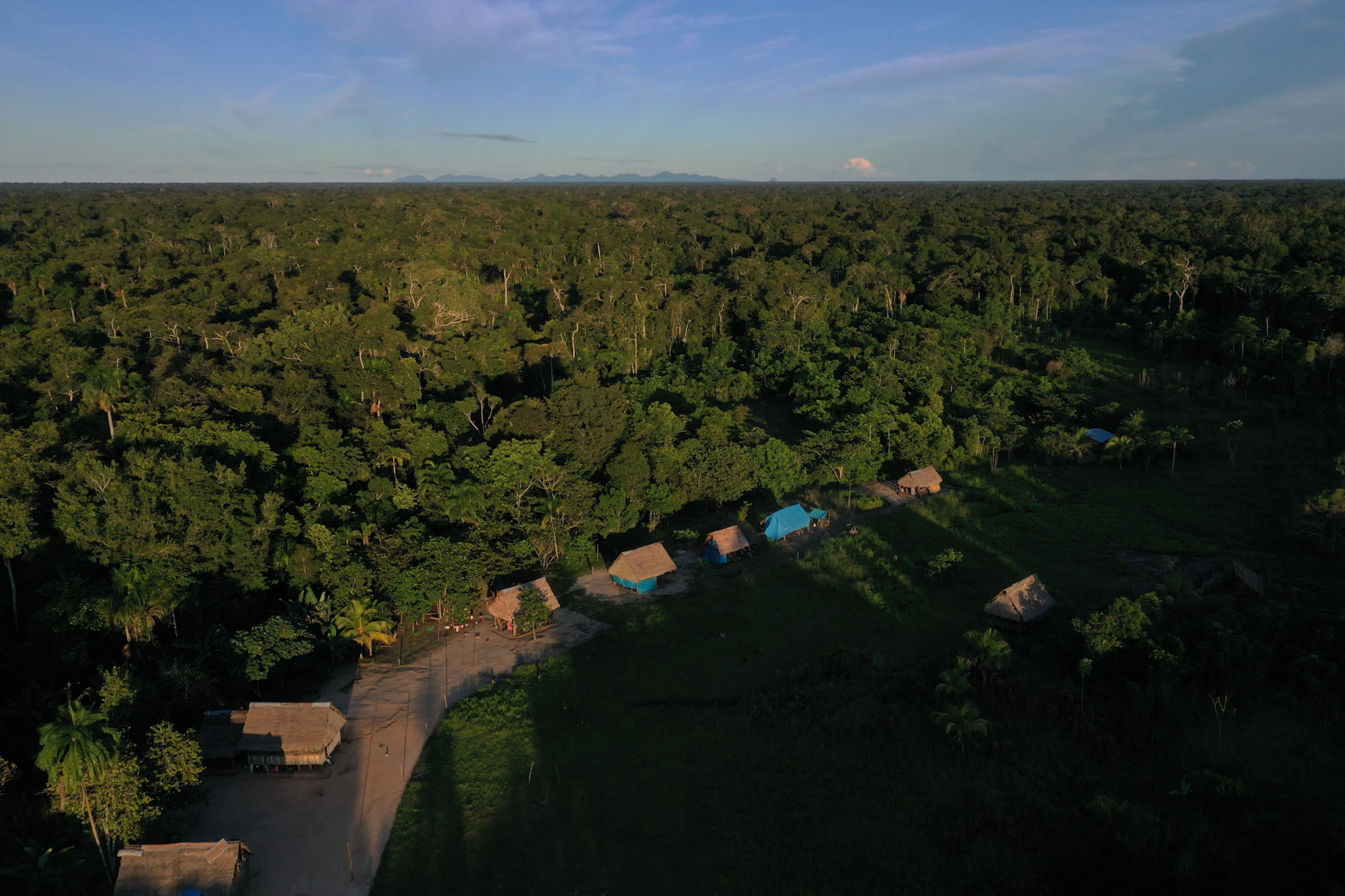
The Iskonawa are an Indigenous people of ‘initial contact’ who, in 1959, were displaced from their ancestral territory at the foot of “Roebiri” or El Cono hill; an enigmatic pyramidal peak that rises 400 meters above the forest floor in a remote area at the headwaters of the Utuquinía River, near the border between Peru and Brazil. Their transition from this area of the Sierra del Divisor mountain range to the banks of the Callería and Ucayali rivers has brought about many social changes, resulting in an abandonment of cultural practices such as their ceramic arts.
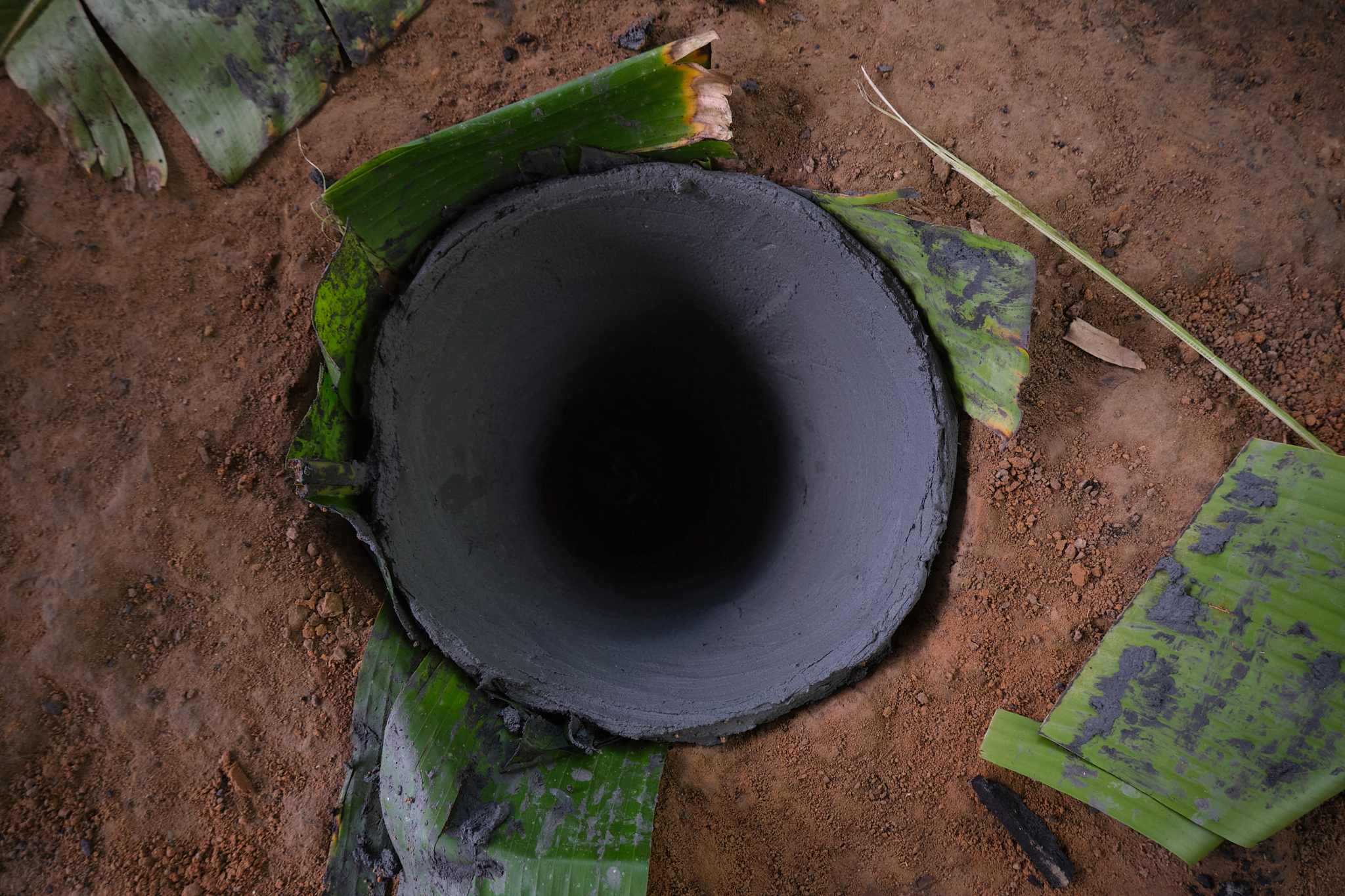
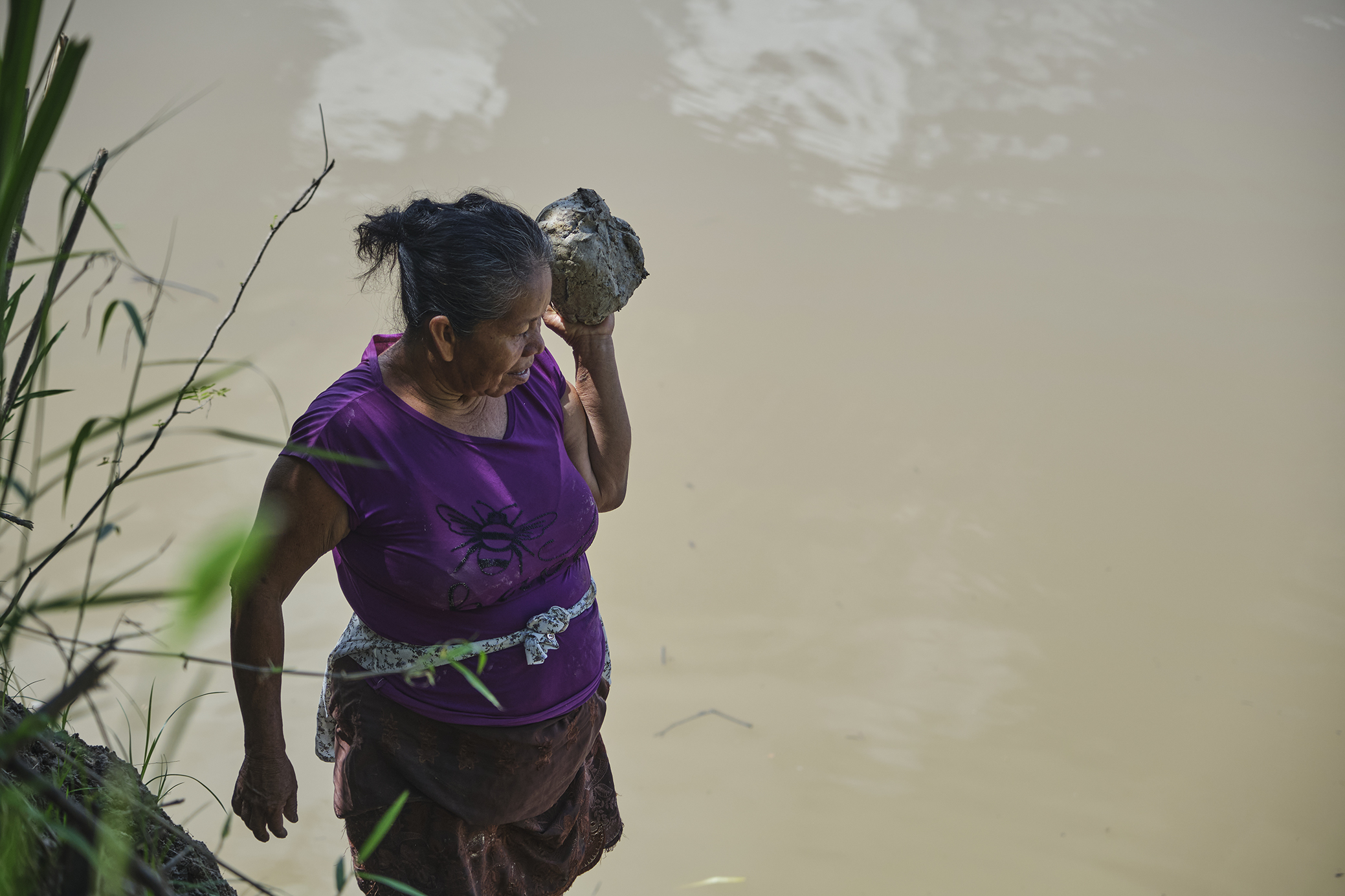
“Like the Iskonawa people themselves, their pottery faced the challenge of adapting to the new environment, where it was necessary to locate clay deposits in the riverside area to continue making earthenware. With the arrival of industrially manufactured containers, clay pots gradually fell into disuse and were replaced by industrial objects.” [2025, Carolina Rodriguez Alzza]
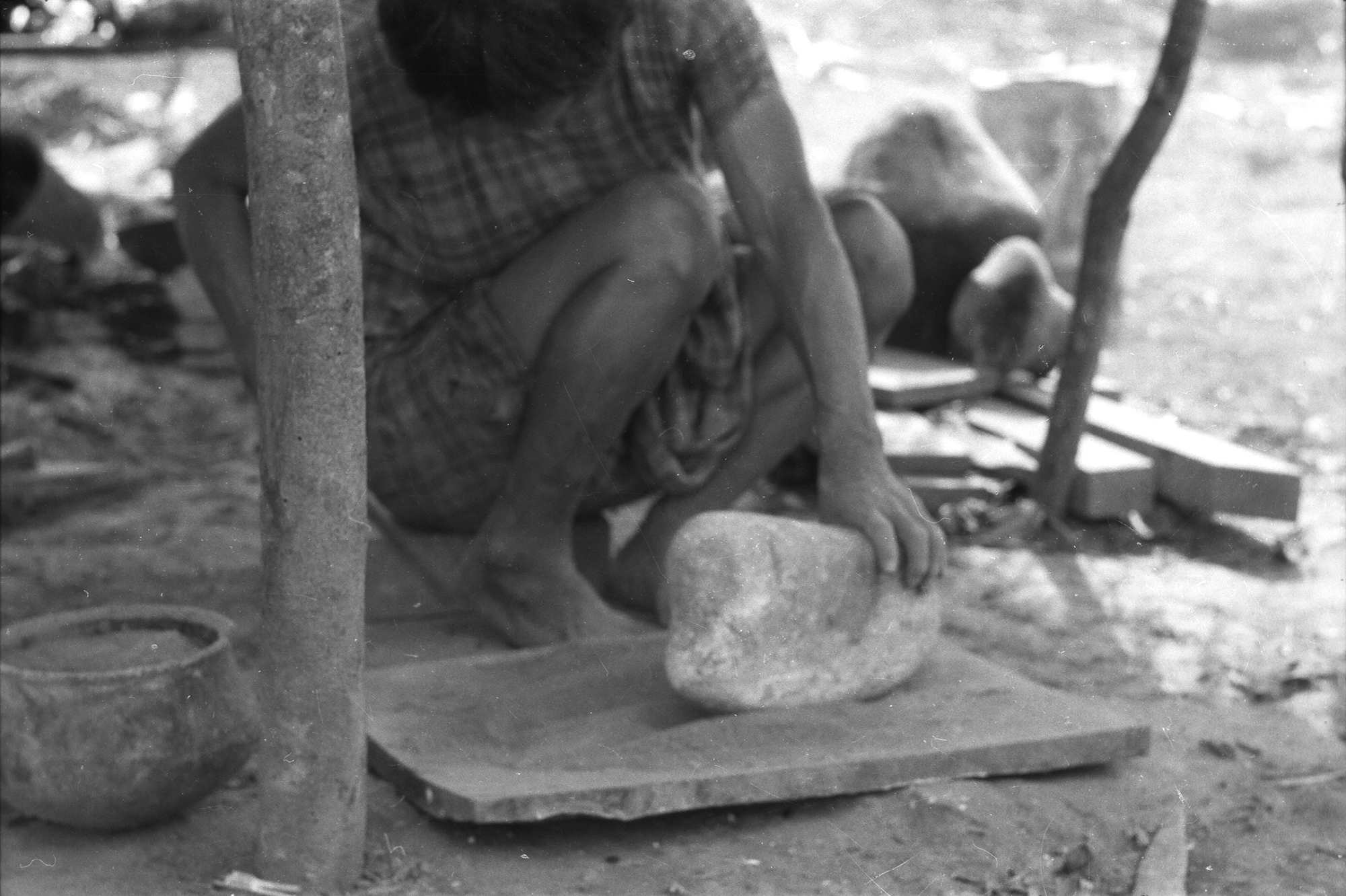
"In the early 1960s, the Iskonawa had just arrived in the Callería River basin. The women continued to practice the art of pottery, despite being far from their traditional territory, located at the foot of El Cono hill, at the headwaters of the Utuquinía River. Ceramic vessels continued to be used daily in homes for cooking, transporting water, fermenting beverages, and serving food. The Iskonawa women were experts in the techniques of modeling and decorating a wide variety of vessels.
During this period of transformation, anthropologist Borys Malkin visited the Iskonawa people and documented, through photographs, the pottery techniques that persisted, as well as the domestic vessels that remained in use. His interest, however, was not limited to visual recording; he also sought to acquire these objects for inclusion in museum collections. In a context where the Iskonawa were beginning to enter the market economy, the sale of their vessels enabled them to obtain the resources necessary to meet the demands of life on the Callería River.
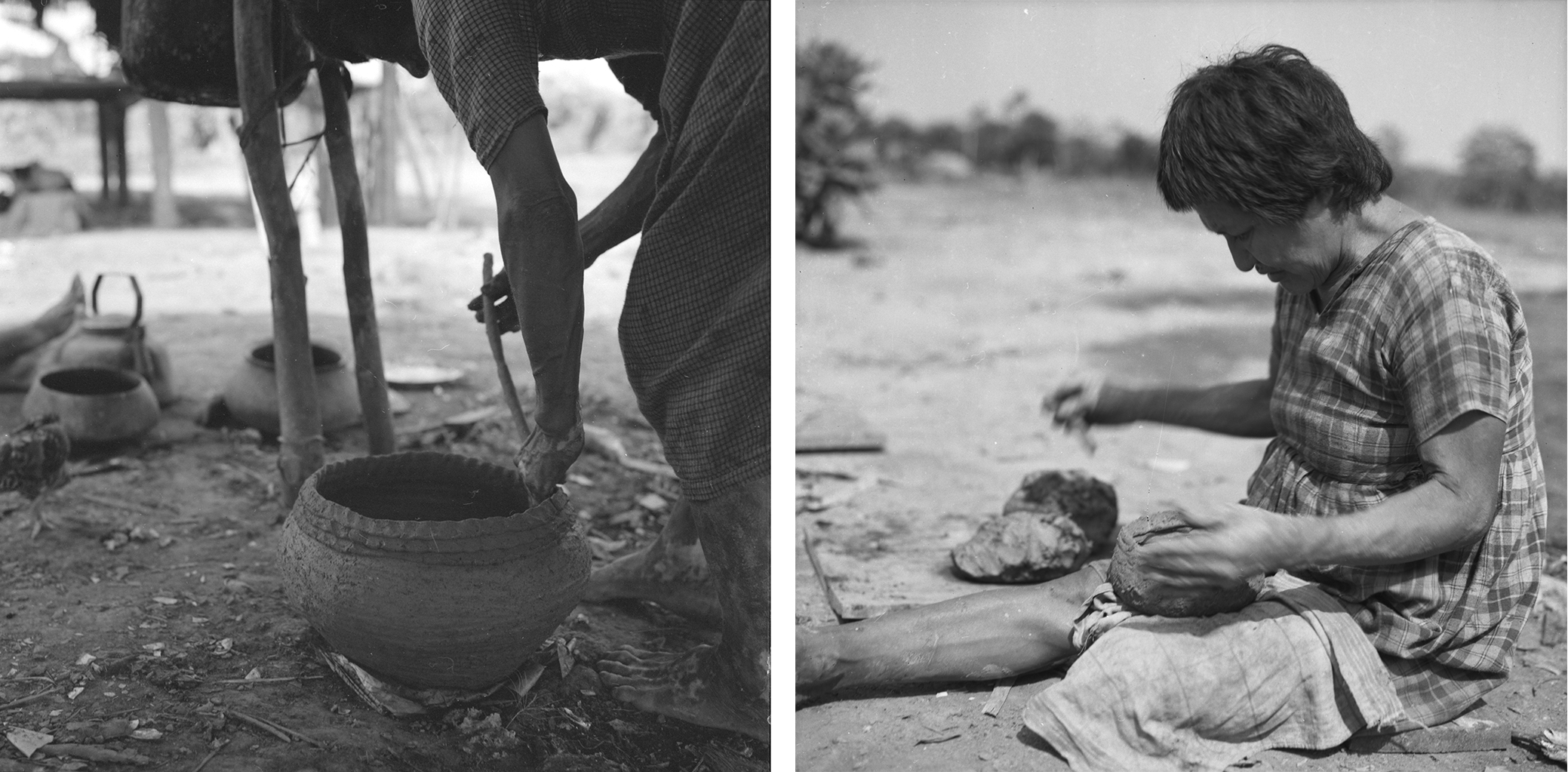
In this way, Malkin assembled the most extensive collection of Iskonawa material culture known to date, featuring Iskonawa ceramics. These pieces are currently housed at the Field Museum in Chicago, the American Museum of Natural History, and the Spurlock Museum in the United States. Both the ceramic works and the photographs themselves remained stored in archives and museums for more than six decades.
Currently, this material has begun to be gradually returned to the Iskonawa people, thanks to the work of linguistic anthropologist Carolina Rodriguez Alzza, through the creation of photographic exhibitions, the delivery of materials, and a project to visit these museums. In this way, these materials contribute to the Iskonawa movement that promotes the struggle for recognition, as well as the linguistic and cultural revitalization of the people." [2025, Carolina Rodriguez Alzza]
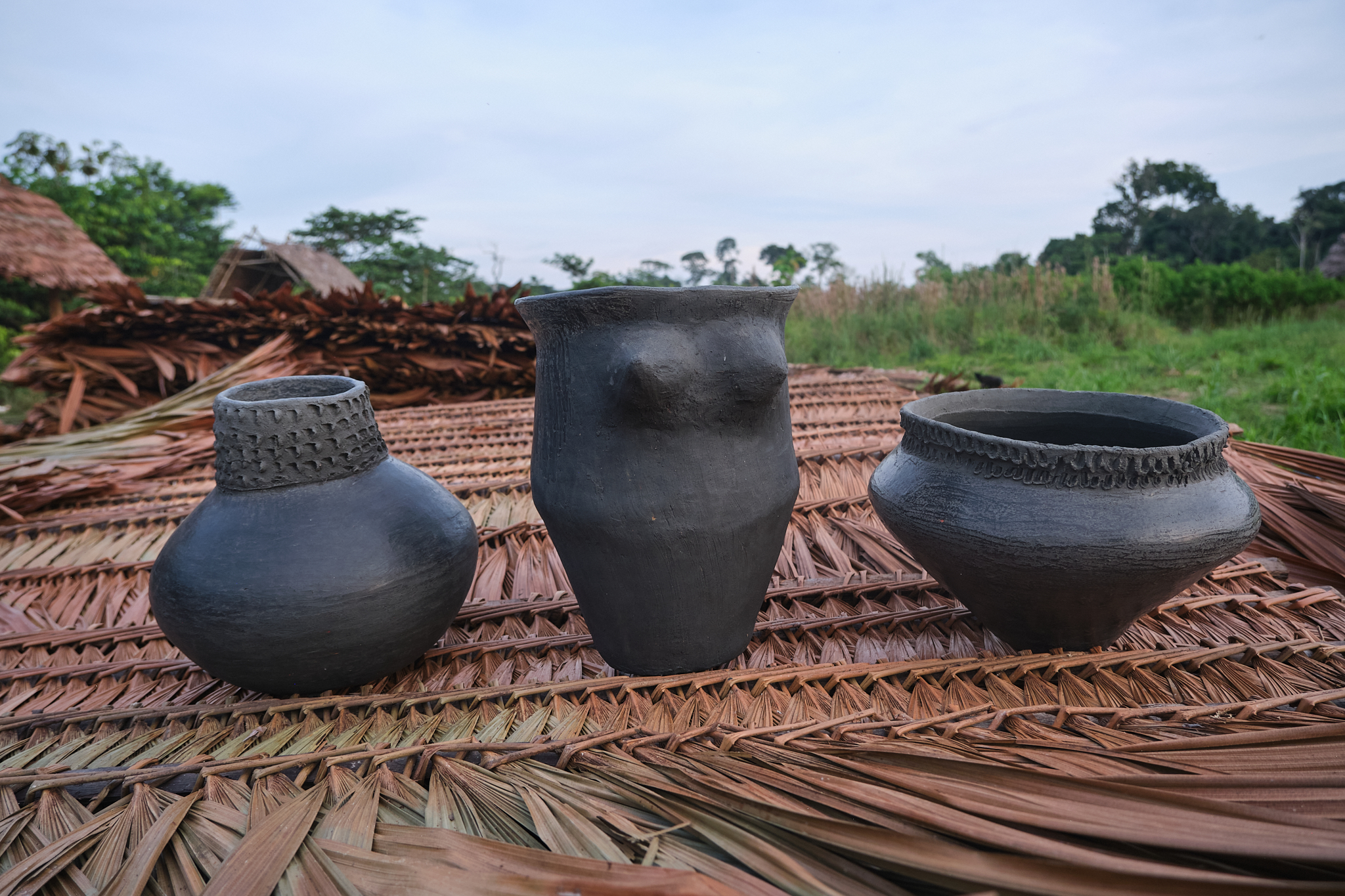
We are inspired to share the manifestation of this initial passage with you, hereby presenting a first glimpse of Iskonawa ceramics being crafted today, whose designs and silhouettes pay homage to their true home and origin; a place they call “Roebiri.” We hope this exhibition serves as a meaningful step towards nurturing their ancestral tradition and inspiring the future generations of Iskonawa ceramists.
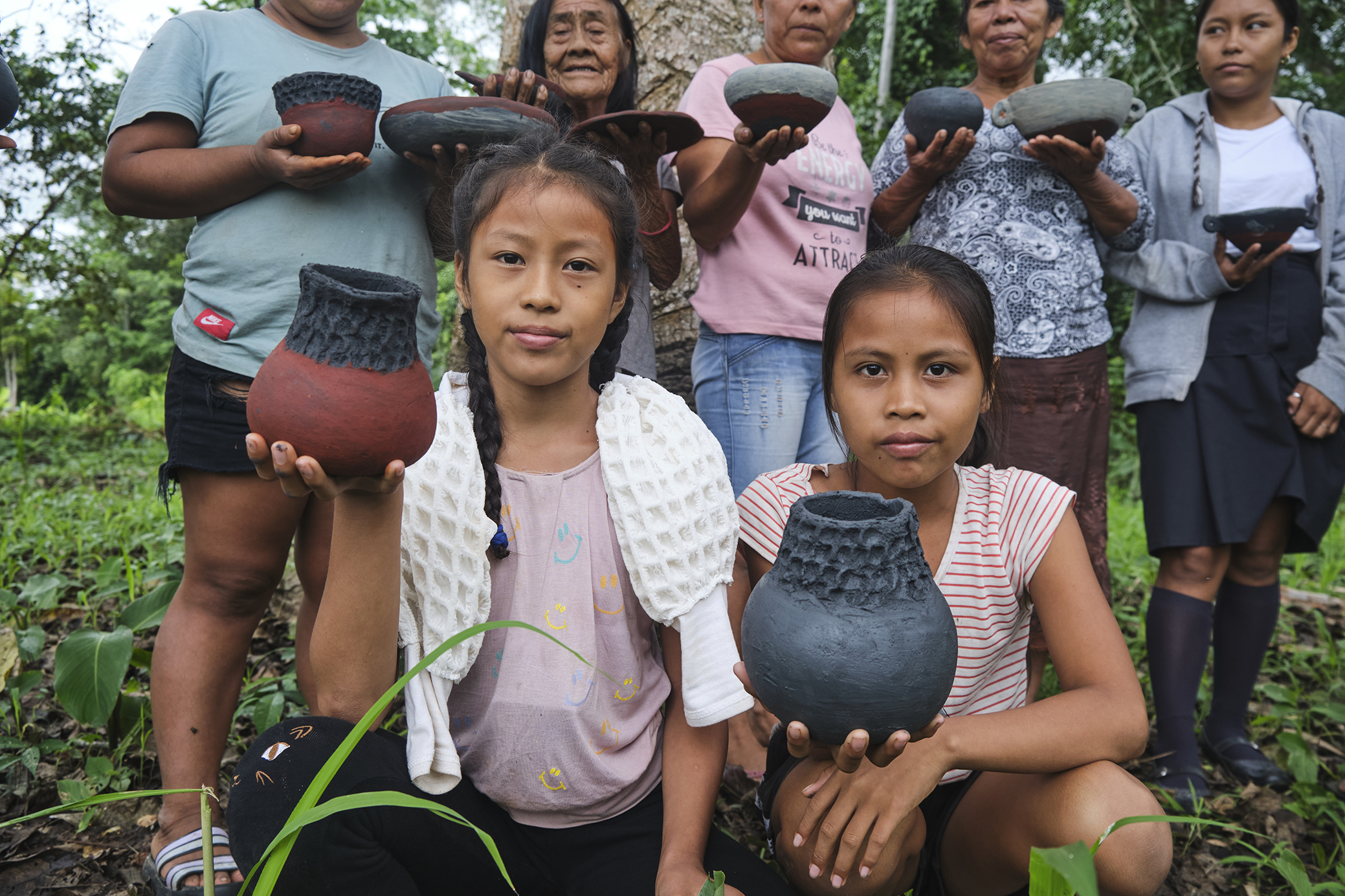
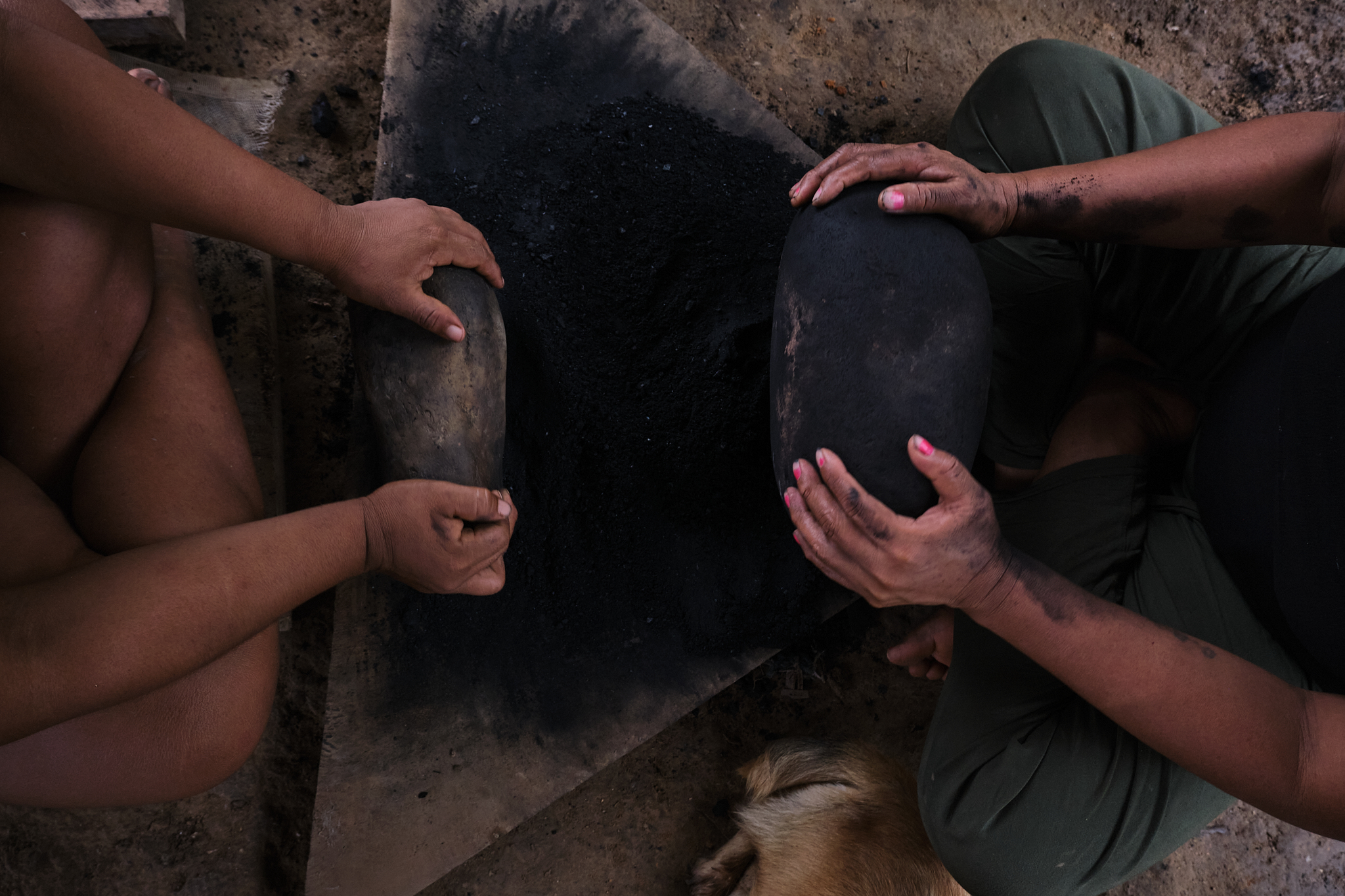
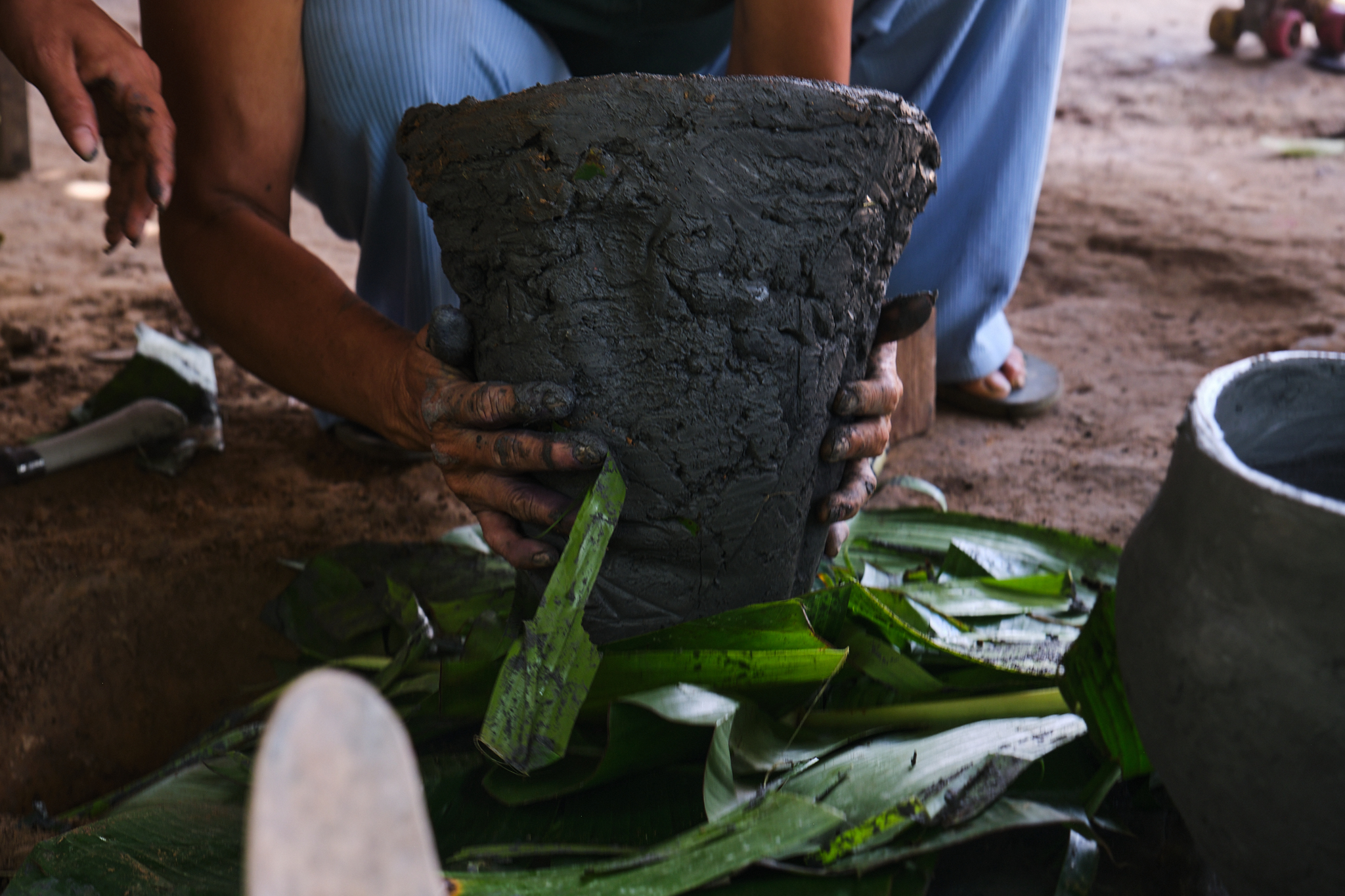
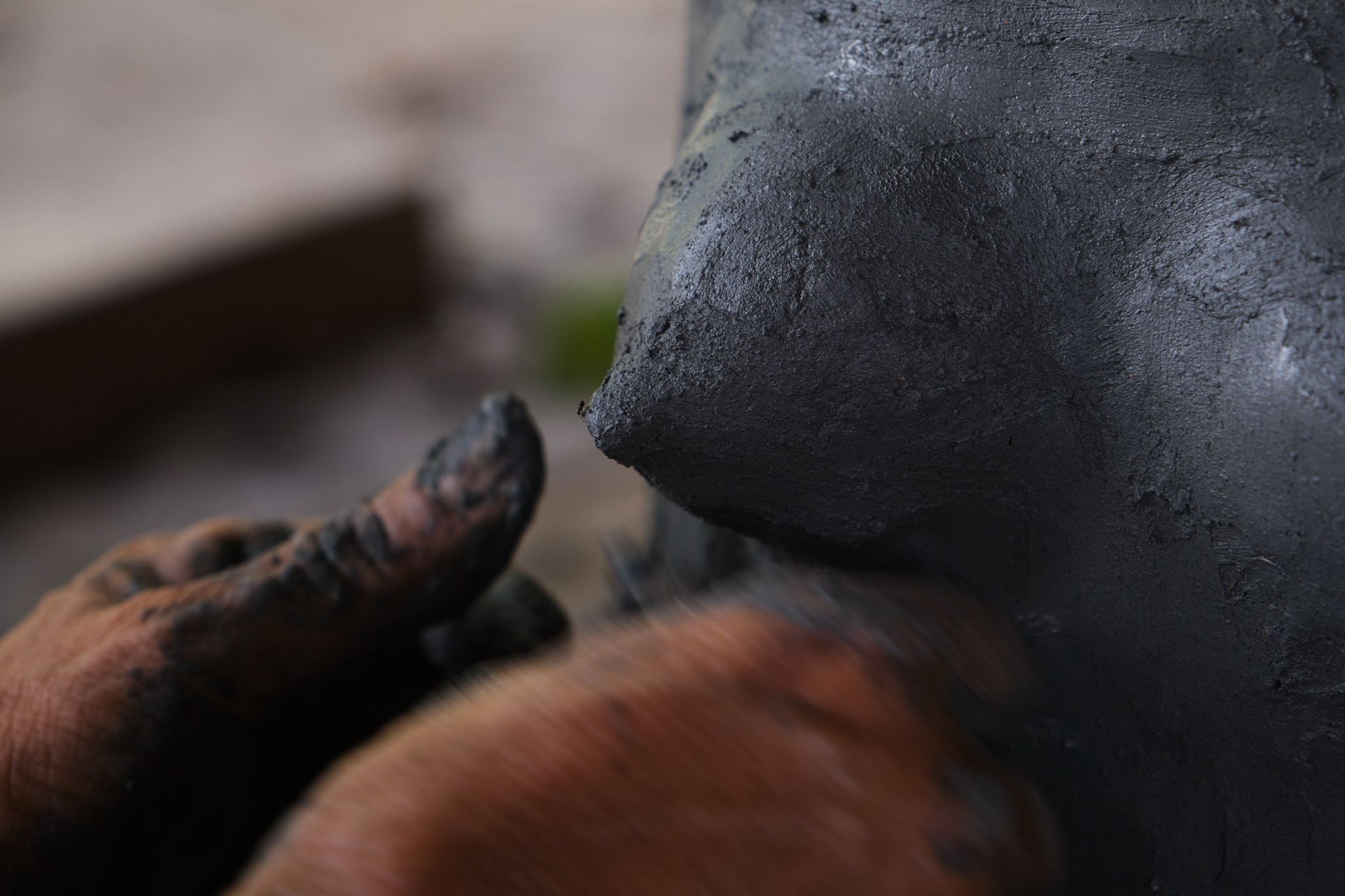
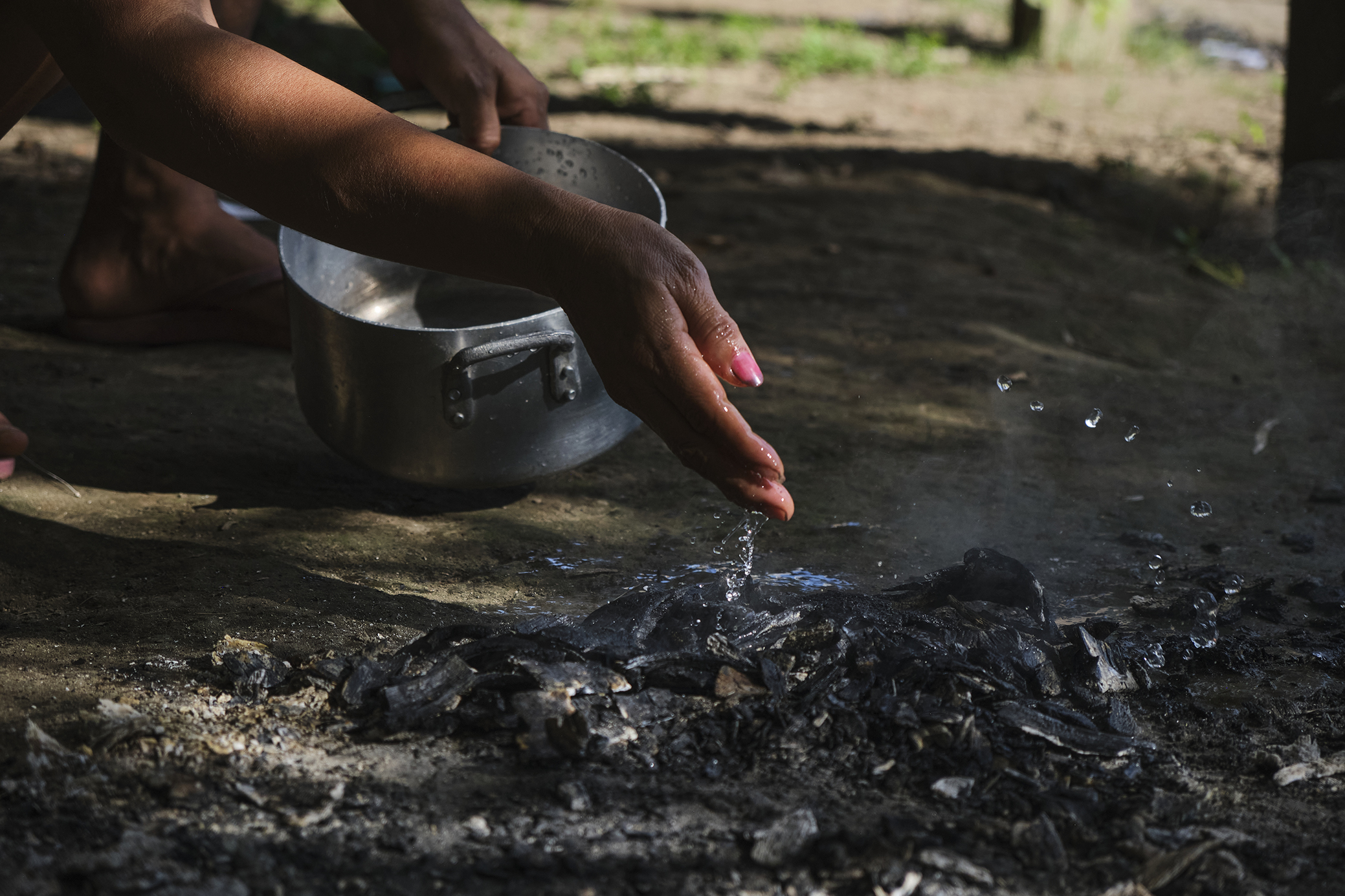
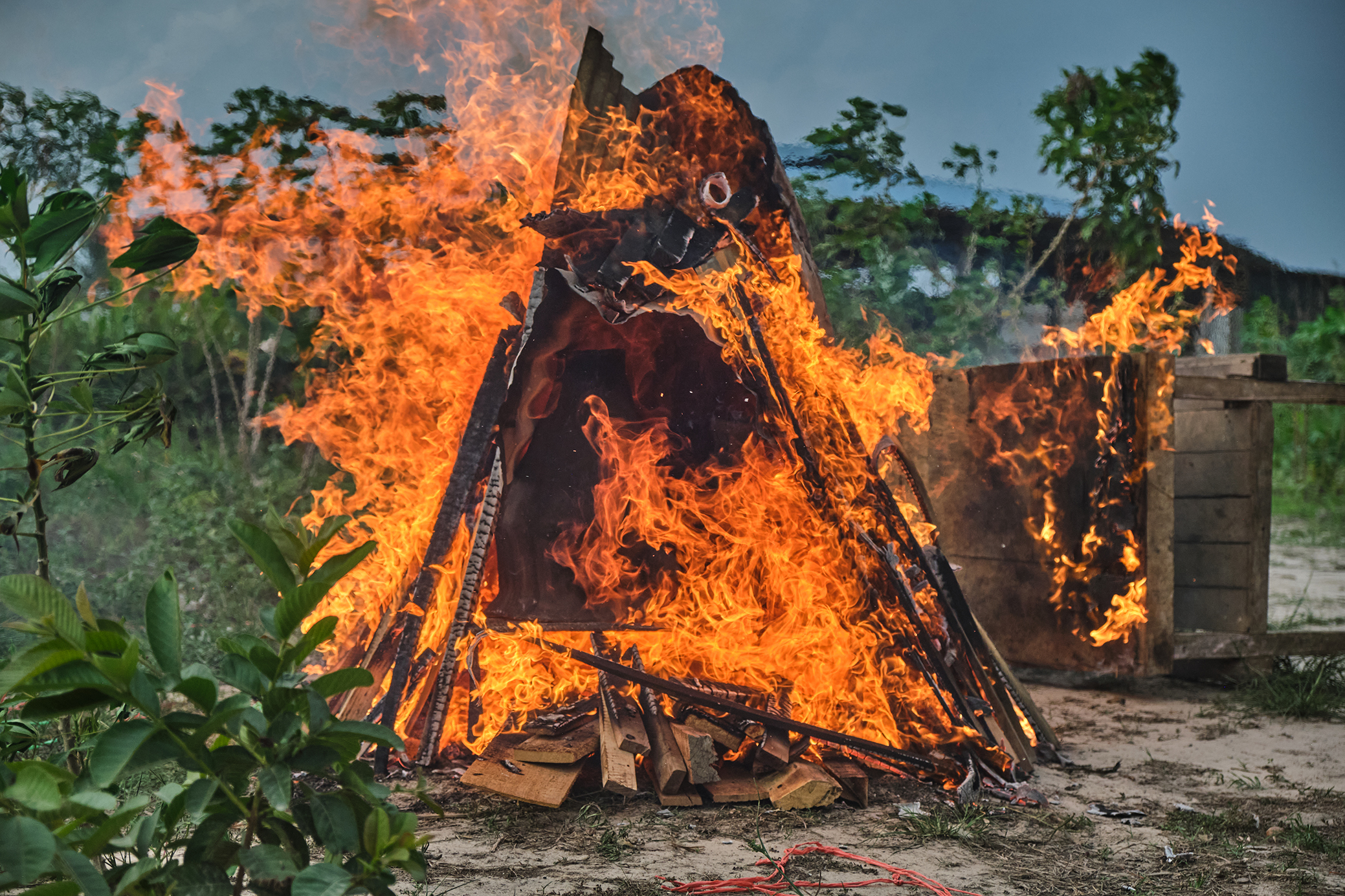
From the harvesting of raw materials, molding the clay into distinct forms, to the finishing and firing of the vessels, these workshops were about trial and error, laughter, and nostalgia, to master the clay by shaping it into existence.
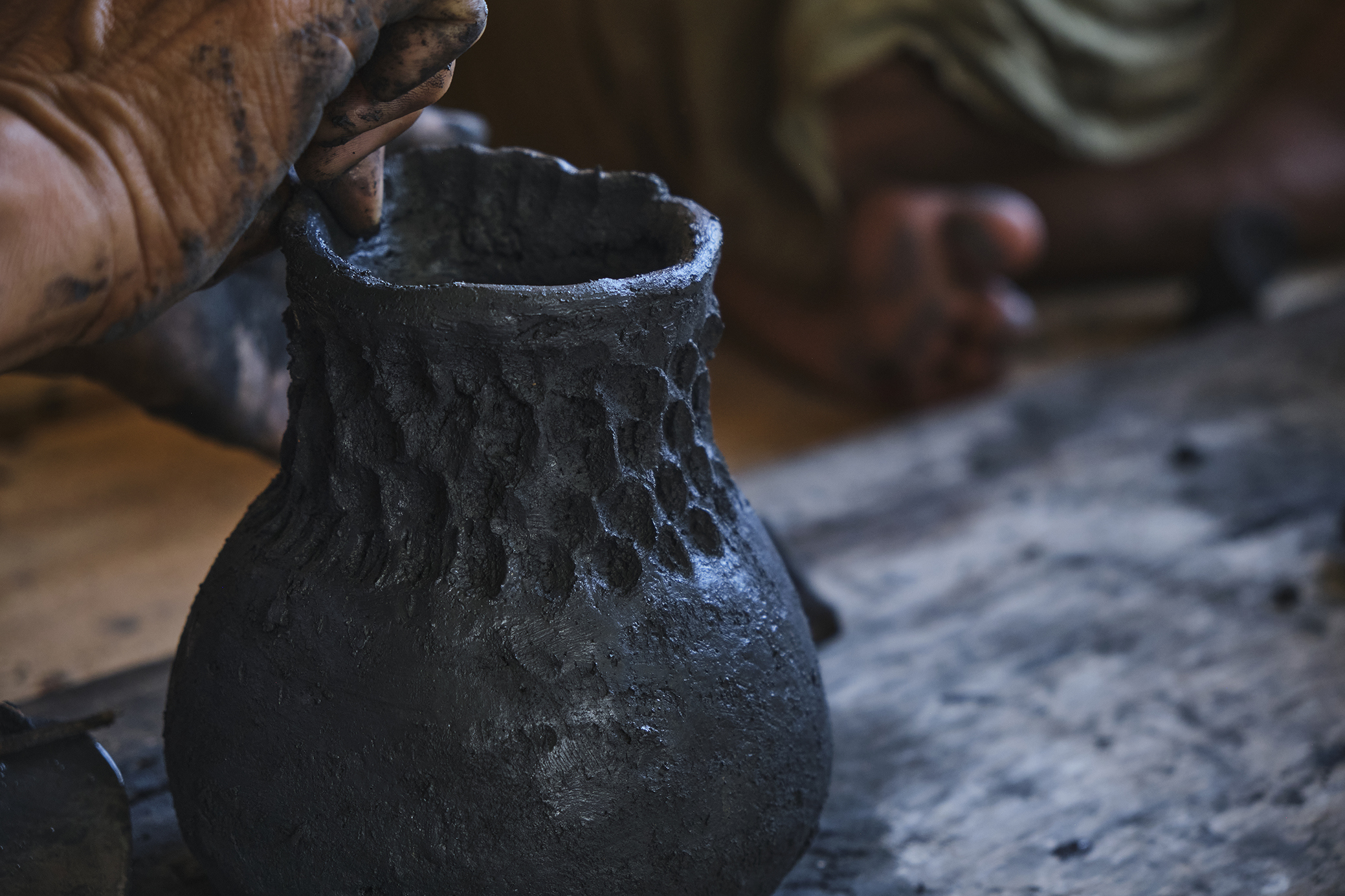
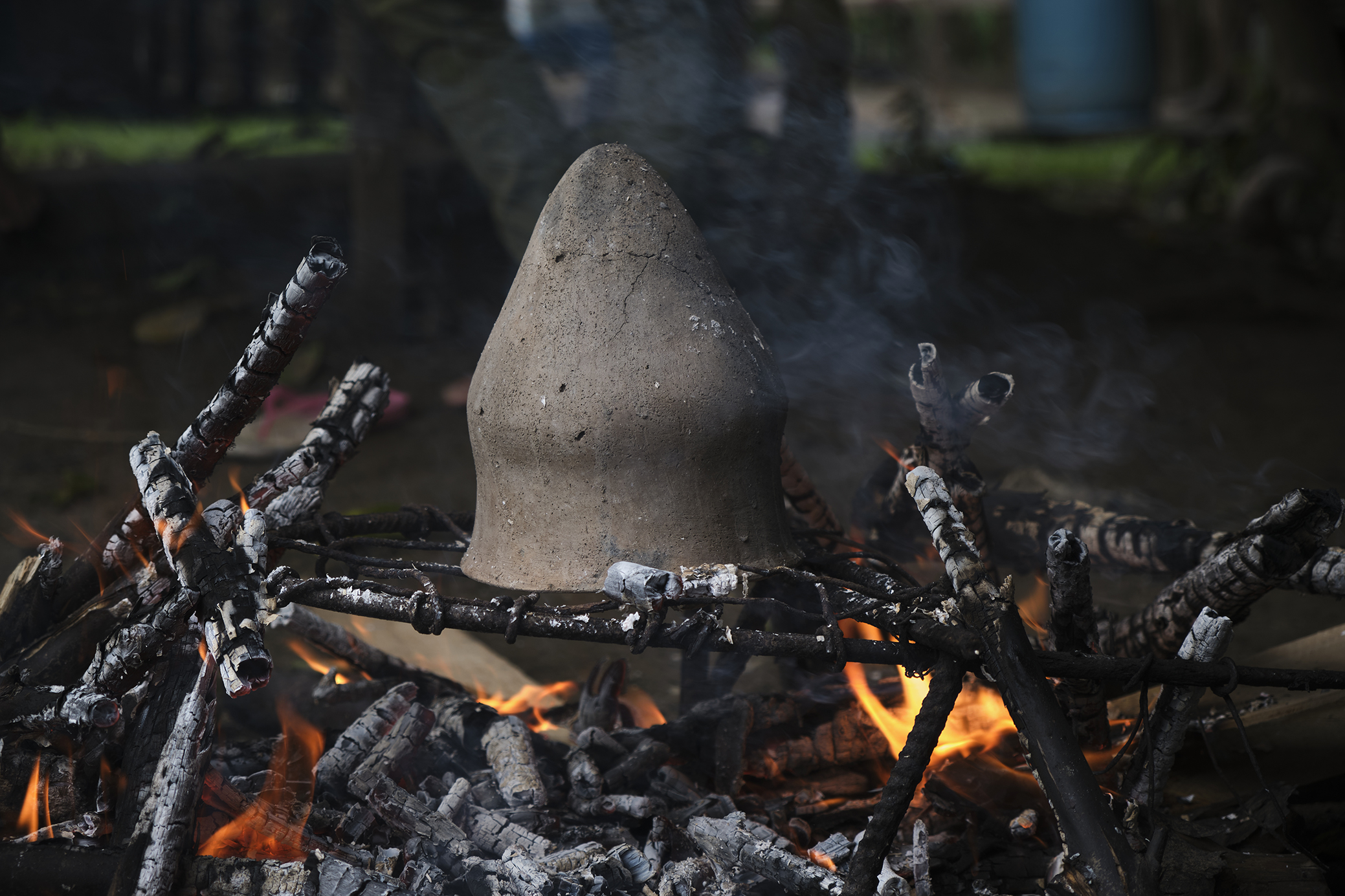
We want to acknowledge the female artisans whose collaboration helped bring the pieces displayed in this exhibition to life: Nelita Campos Rodriguez, Teresa Rodriguez Campos, Neyra Perez Rodriguez, Ruth Rodriguez Campos, Edelvina Cumapa Campos, Florinda Castro Sanchez, Betsy Campos Rojas, Andrea Barbaran Campos, Noelin Barbaran Campos, Karina Mori Rodriguez, Margarita Mori Rodriguez, Dalia Guimaraes Inuma, Tere Yalena Elen Nunta Rodriguez, and Maricarmen Rodriguez Perez.
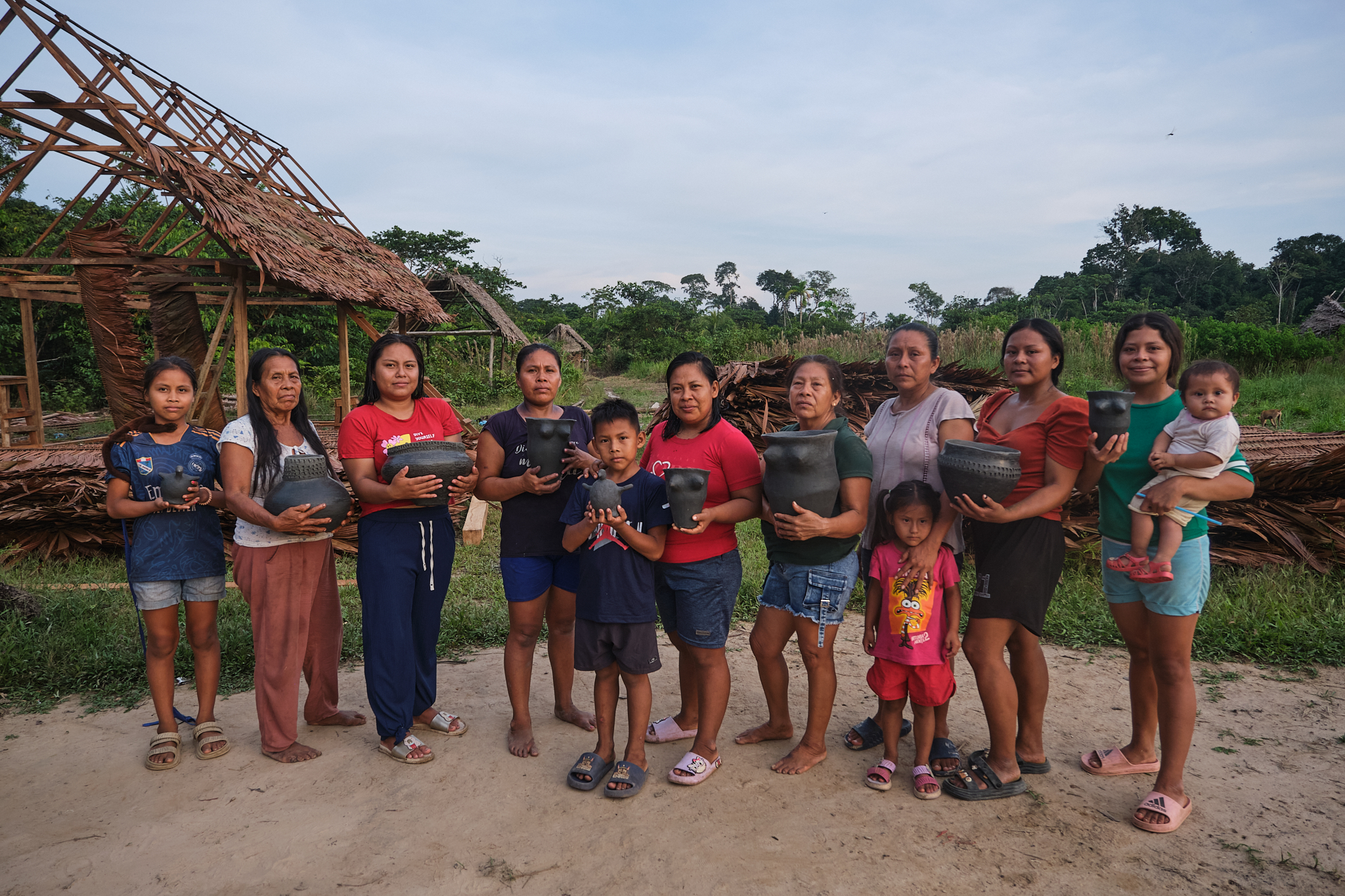
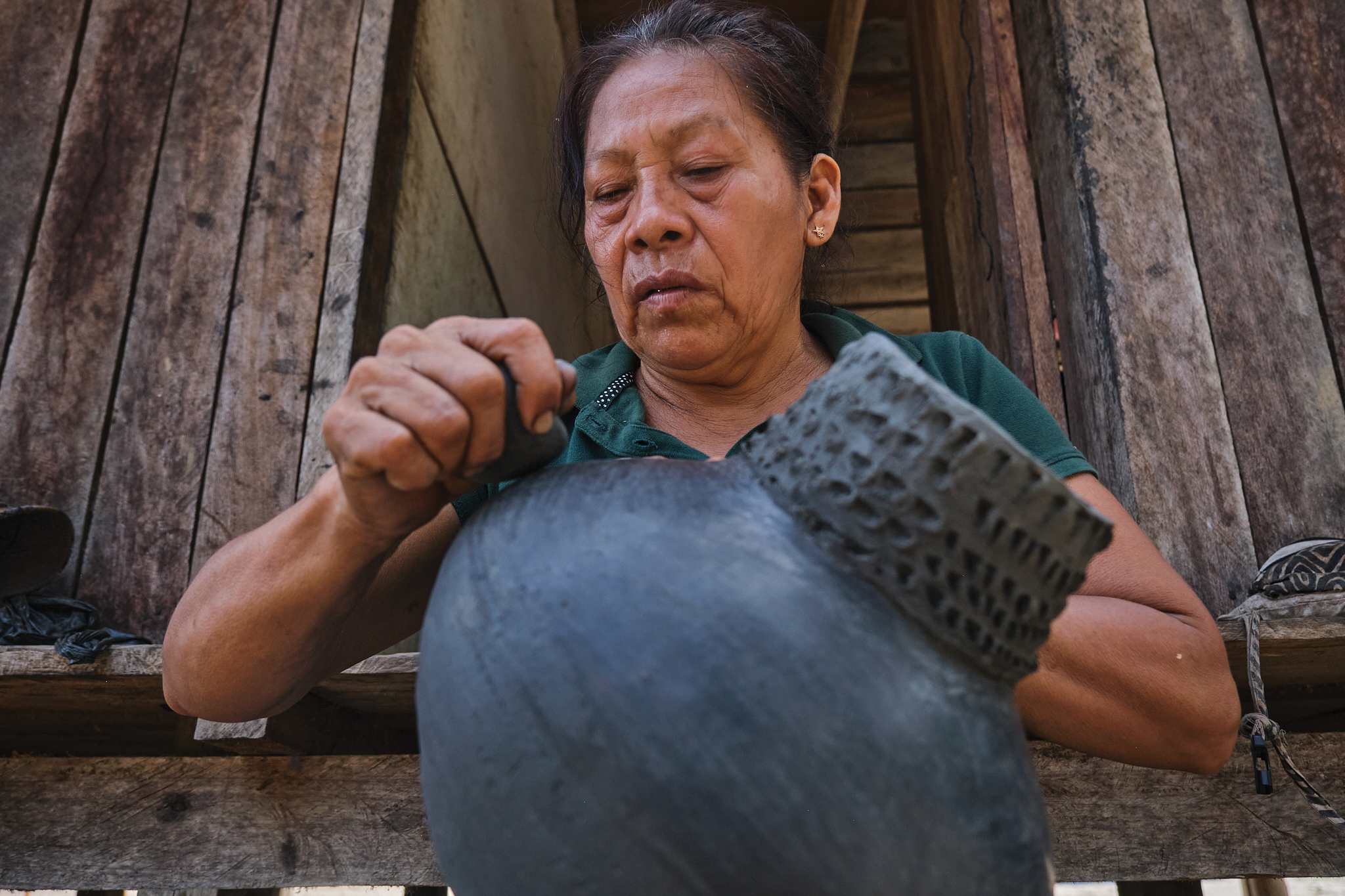
“My vision is to learn more so that I can also teach as a ceramicist in different places. My goal is to master this craft thoroughly, perfect it, and have it recognized in many countries. Some say that Iskonawa ceramics don’t exist, but they certainly do! What we’ve accomplished is thanks to you, Xapiri Ground, and the help you’ve given us. And to Carolina, who showed us the importance of conveying our designs onto fabric and ceramics.”
~Teresa Rodriguez Campos
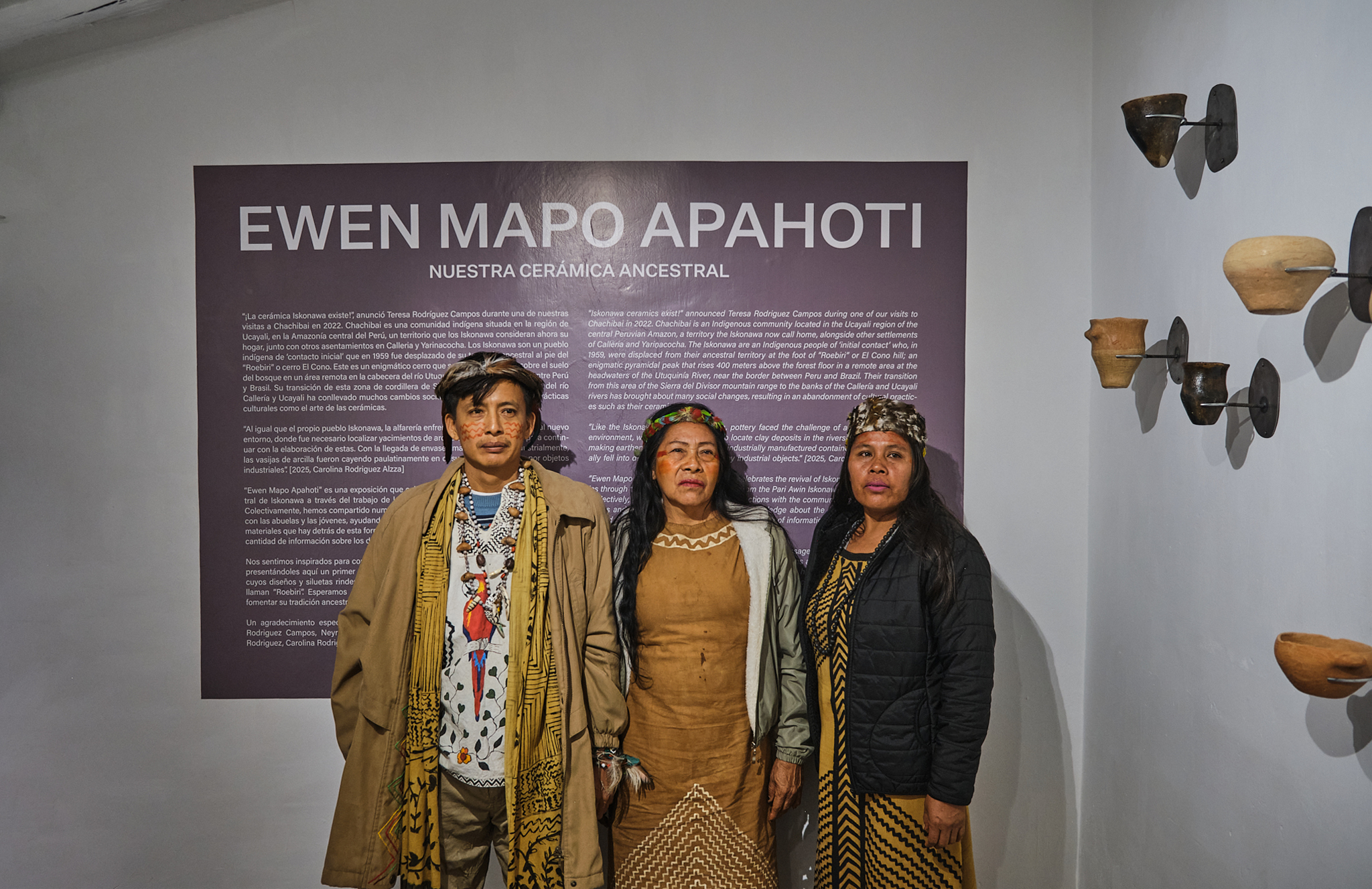
A special thank you to the Pari Awin Iskonawa Artisans Association, Teresa Rodriguez Campos, Neyra Perez Rodriguez, Nelita Campos Rodriguez, Felix Ochavano Rodriguez, Carolina Rodriguez, and the Iskonawa community.