

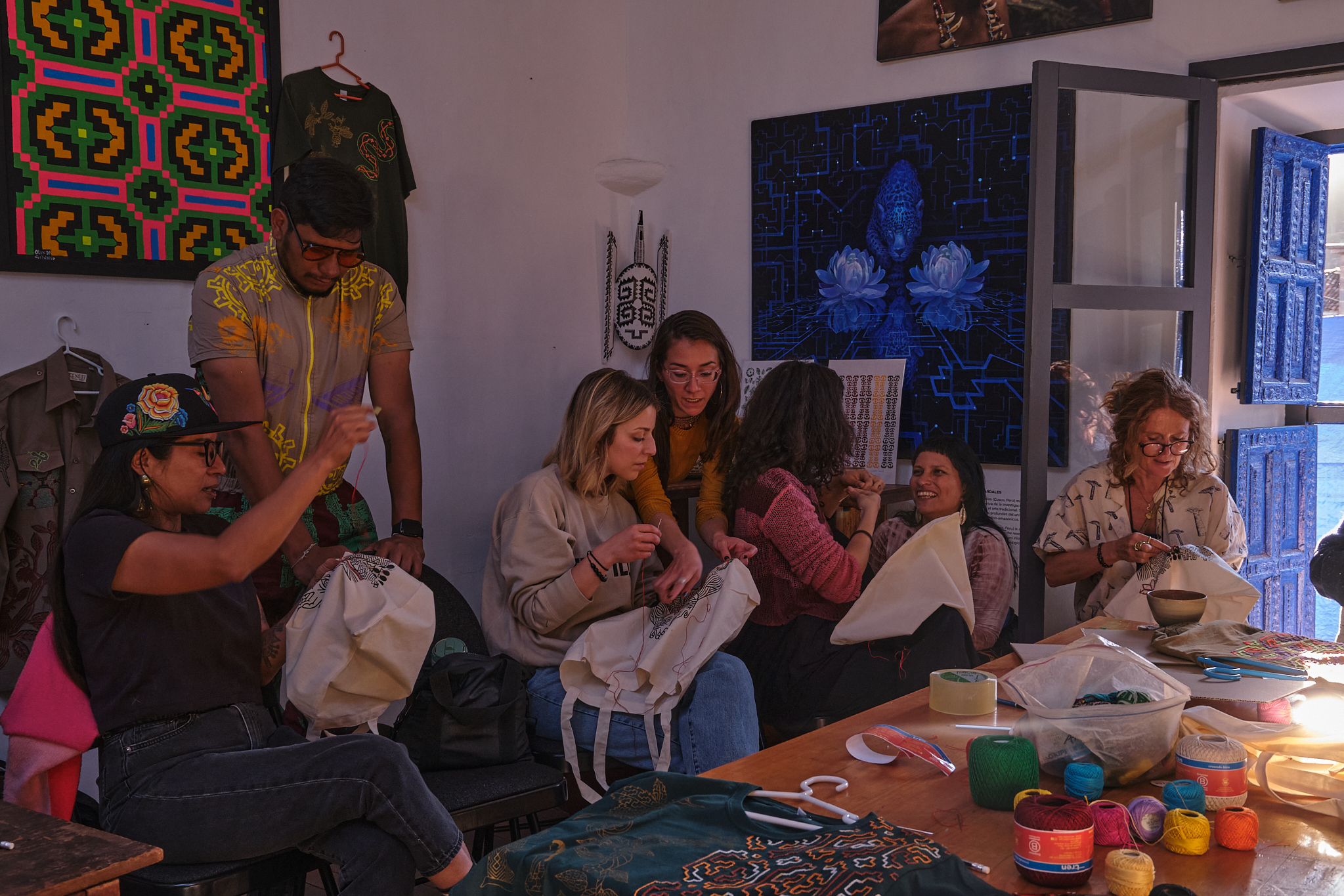
Fusing popular art and ancestral techniques
On the 13th of June, 2026, we hosted artist Carol Fernández of the Amapolay Collective (Lima) and Shipibo-Konibo artist Merly Bernabe for a hands-on workshop that fused modern techniques with the ancestral. Both artists began collaborating over ten years ago through Meni Nomabo; a project spearheaded by Mariska Van Dalfsen of Warmayllu, that sought to create spaces for exchange and training alongside Shipibo-Konibo women from the communities of Bena Jema and San Francisco. Each of them brought their own expertise to the project: Merly, as an artist, a fashion design student and a fluent speaker of Spanish and her native Shipibo language, and Carol from Amapolay, sharing her experience in screen printing, design, and the production of unique pieces.
They found a common thread, using screen printing and embroidery as tools that could engage the repetition of geometric patterns found in Shipibo-Konibo art, facilitating their reproduction and opening up new possibilities for visual experimentation. It was with Carol that Merly learned the art of screenprinting, while Carol deepened her knowledge around the Shipibo-Konibo Kené through Merly. Their synergy is what formed the backdrop to this workshop and their years of friendship.
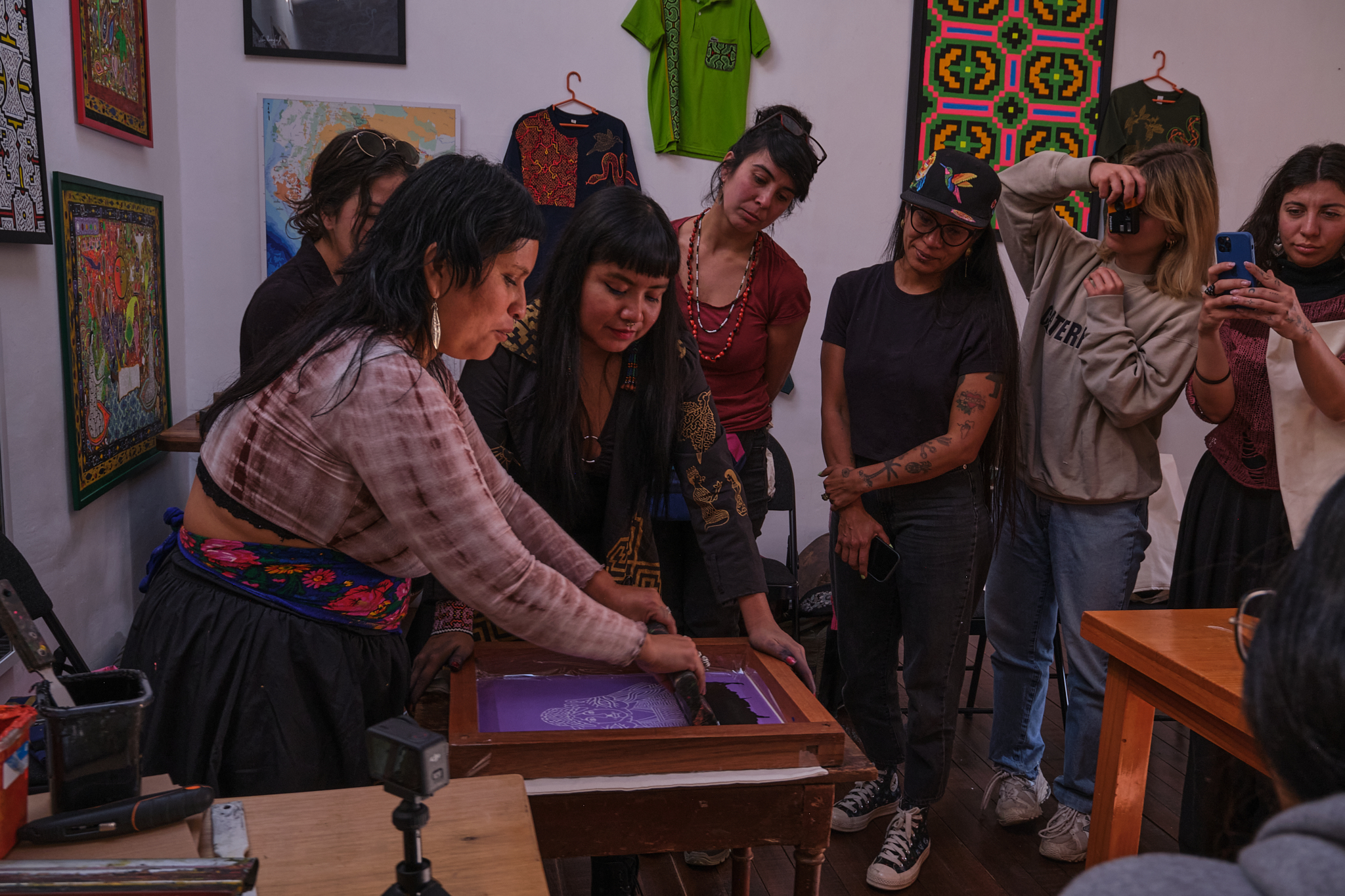
Merly comes from four generations of artists and now lives outside her original community in Bena Jema, Pucallpa. She’d always painted on textiles since she was young. Moving away from her original community, she sought to have one foot in both worlds, to learn new things and be able to realize new experiences that support her creativity.
"Screen printing is a technique that allows for image repetition. And this fusion with the Shipibo world and screen printing is kinda cool, because in fact, the Shipibo also repeat patterns, which is like the principle behind engraving. So that's where we make the connection."
~ Carol Fernández (Amapolay)
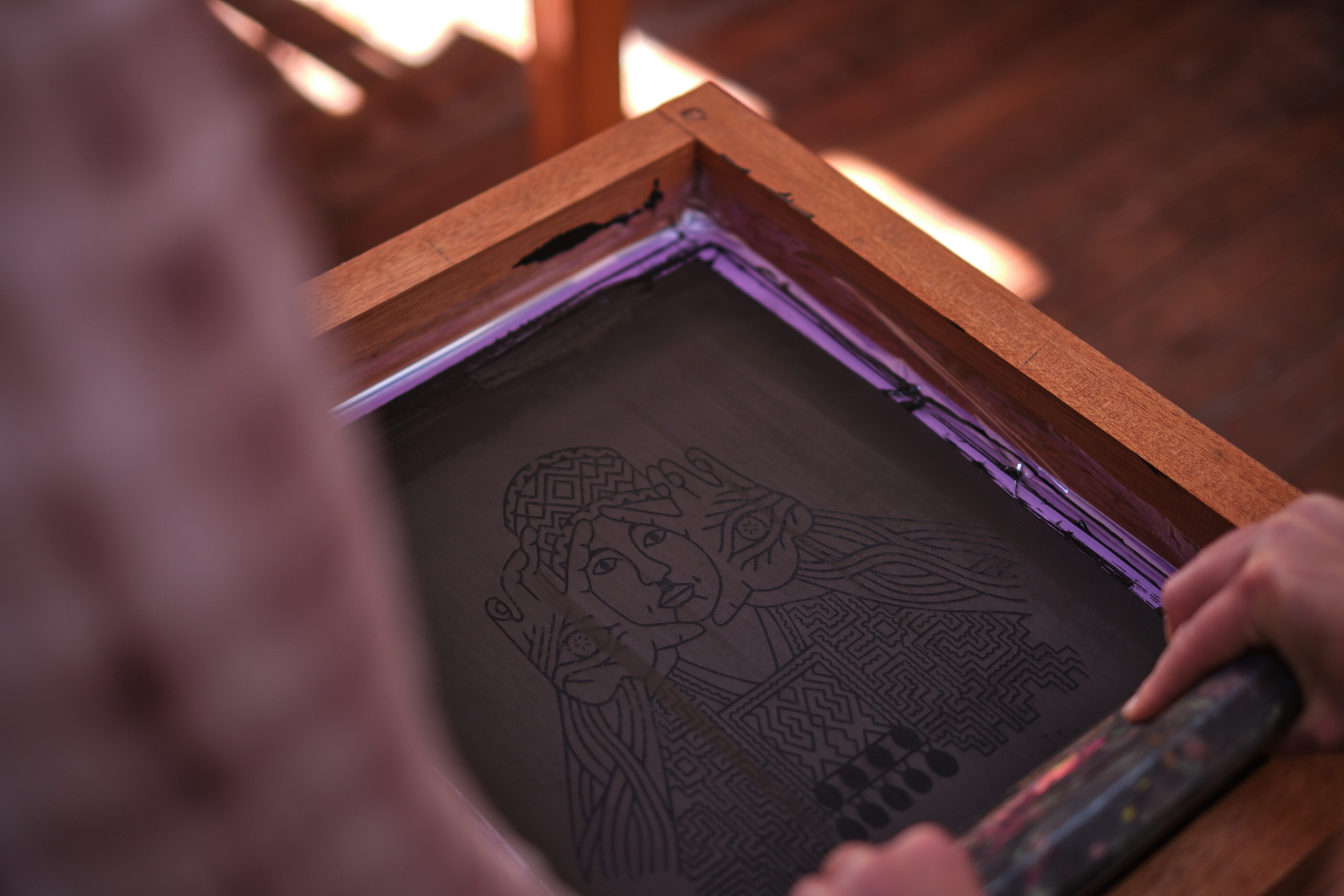
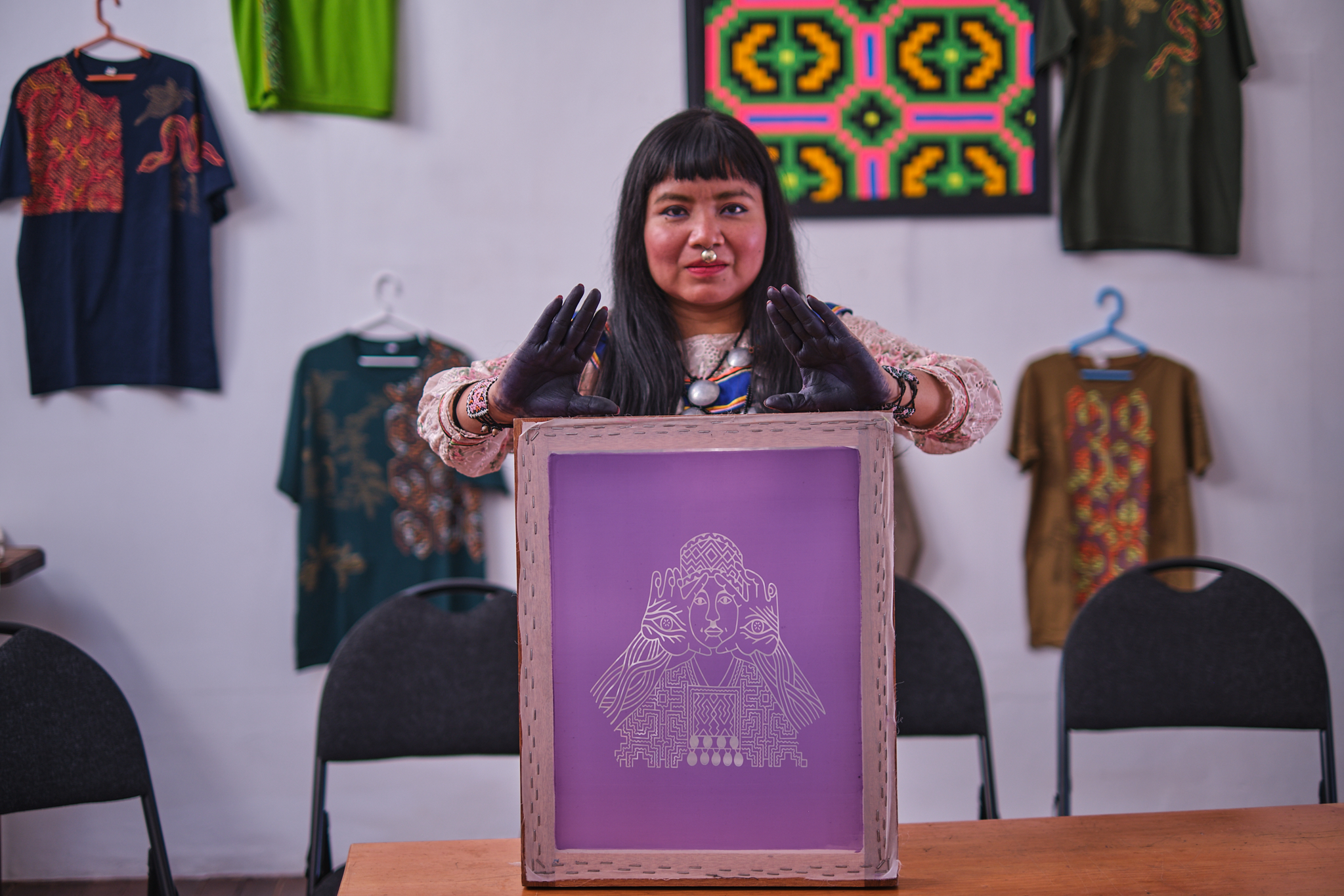
Through the work of the Amapolay Collective, Carol (one of its founders) seeks to celebrate and defend the diversity of Peruvian culture as well as raising awareness of Indigenous struggles throughout Latin America, through the visual messaging of their screenprinted arts. As fashion, she uses upcycled dead stock and vintage fabrics onto which the prints are interpreted. For Carol, popular art and culture are never static.
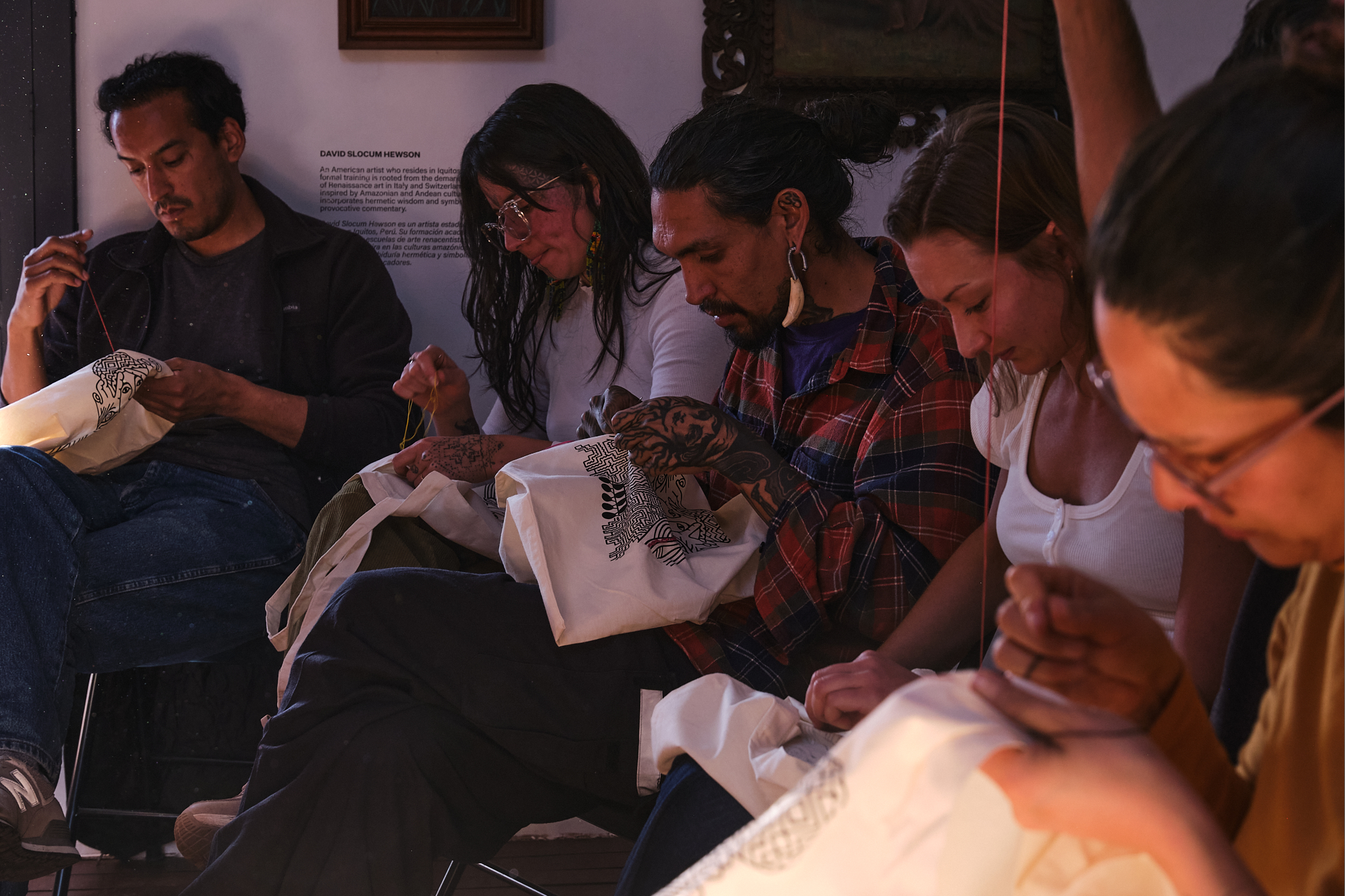
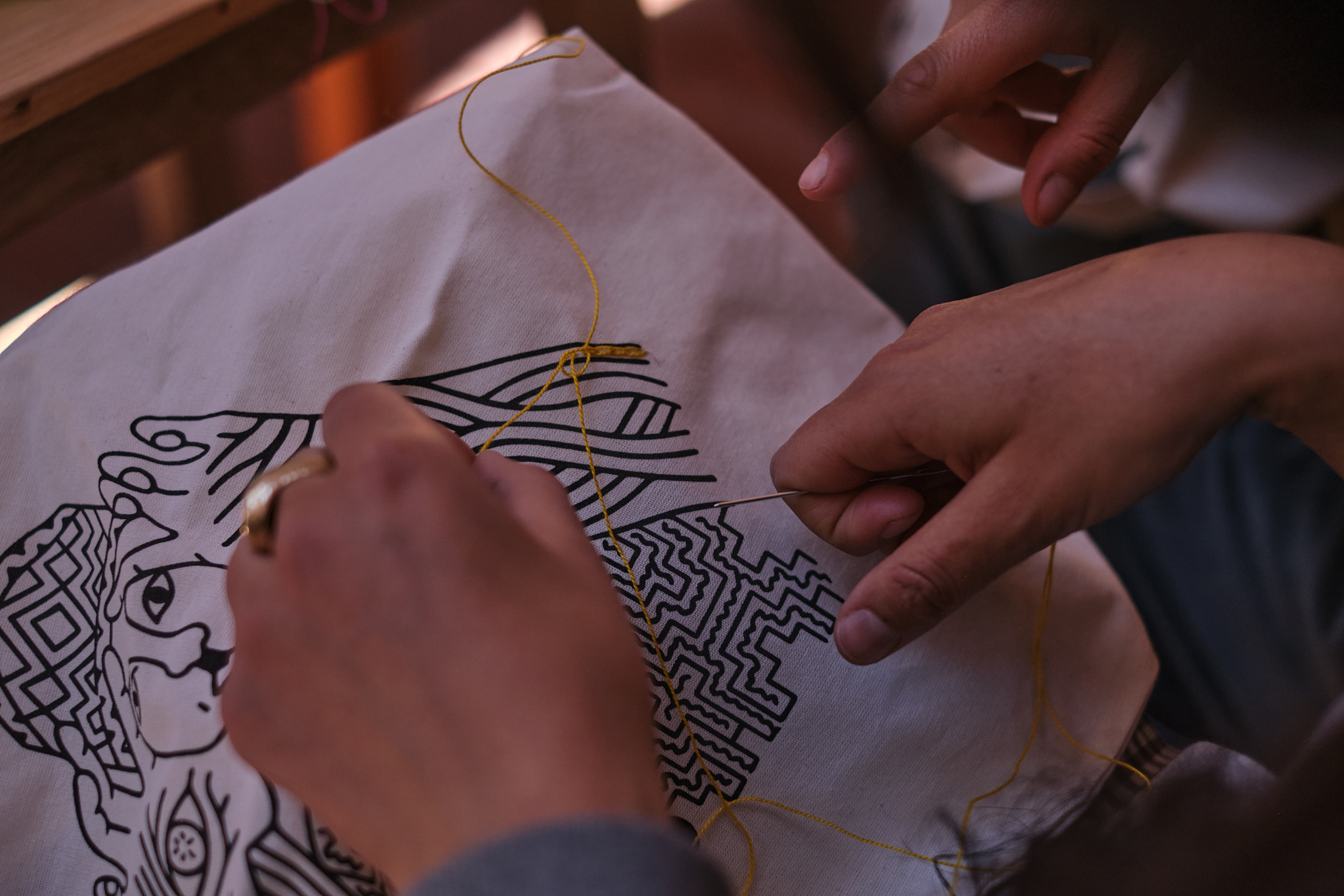
Merly takes a particular interest in the exploration of diverse mediums to express her creativity as a contemporary Shipibo artist. She remarks, "this workshop is an exploration of the ancestral, the contemporary, and the very traditional." And these attributes parallel throughout her personal works of art as seen in "Chonon Kate," her debut exhibition at Xapiri Ground on show from June 12, 2026 until December 2026.
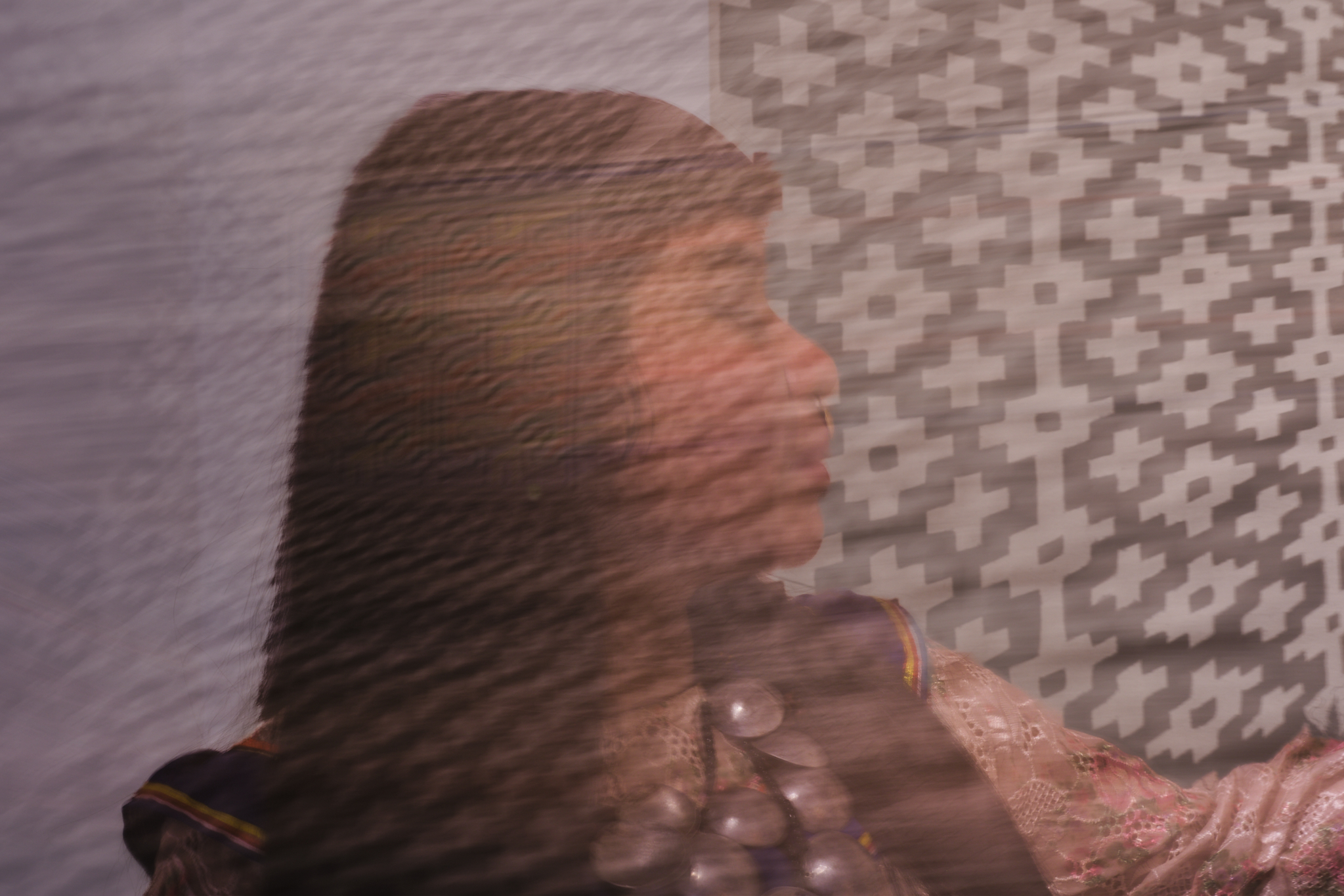
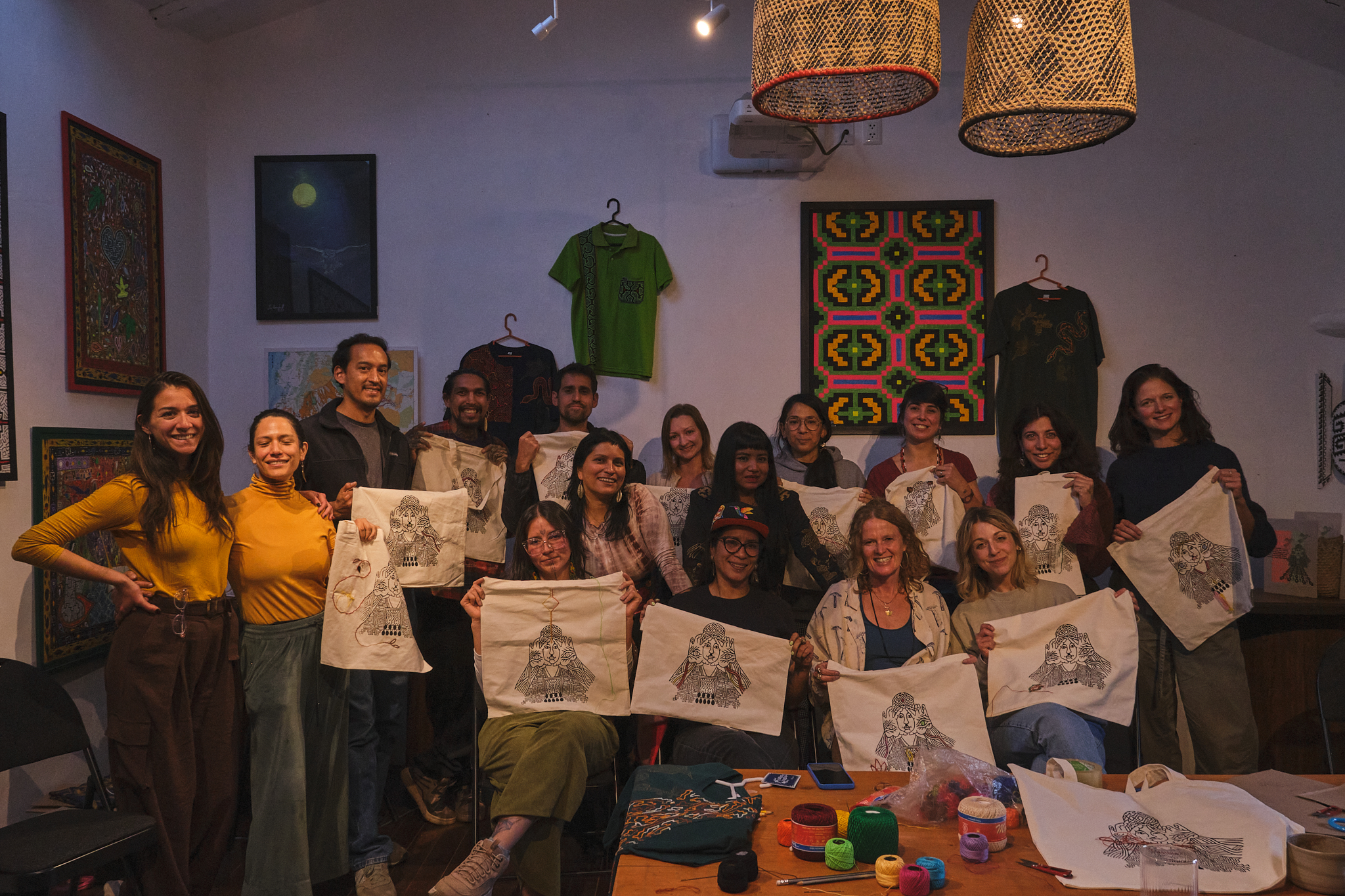
We would like to thank all the participants for joining this workshop. And a special thanks to Carol and Merly for sharing their creative knowledge and experience with us.


