

The Boras of Pucaurquillo
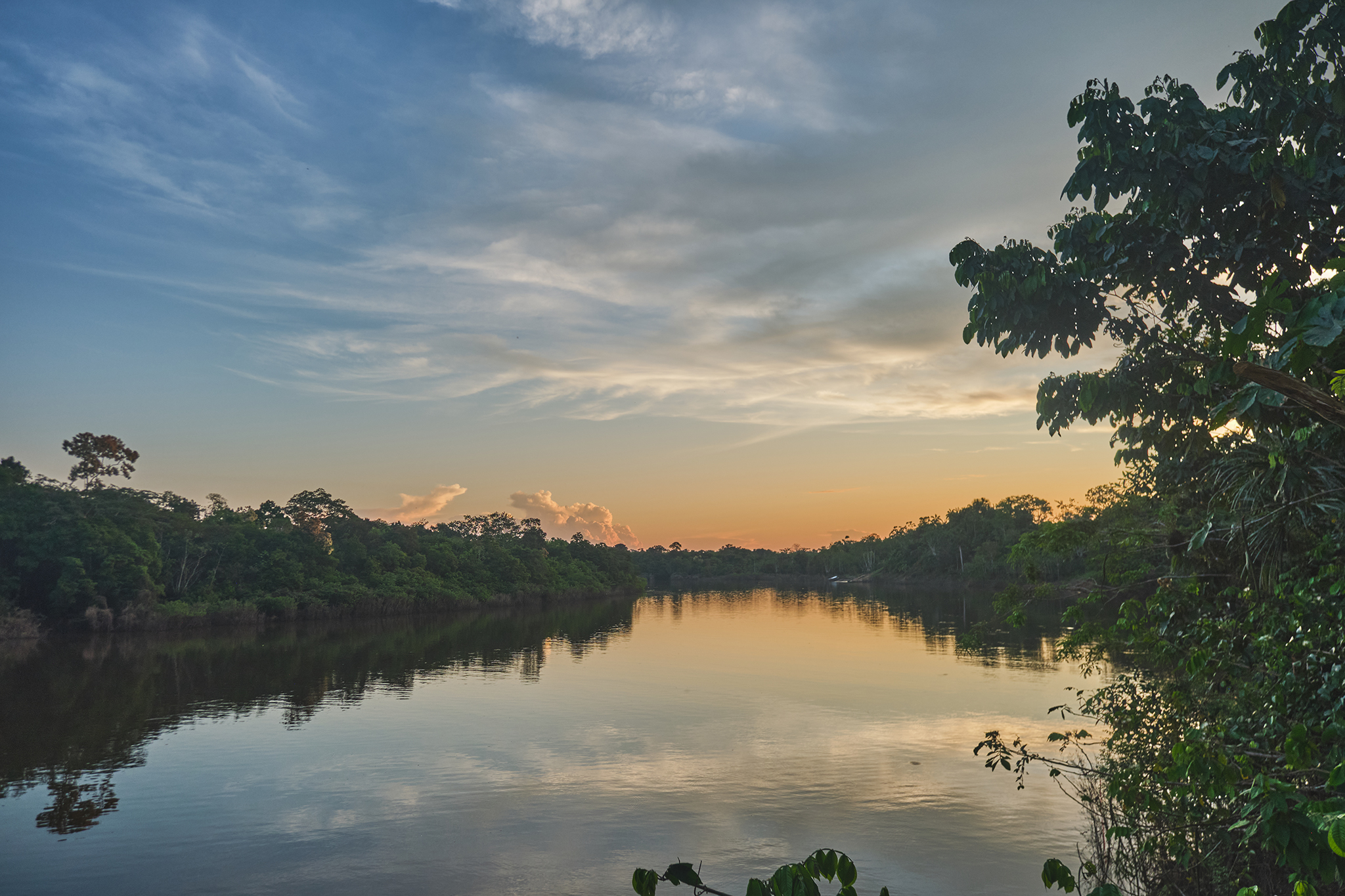
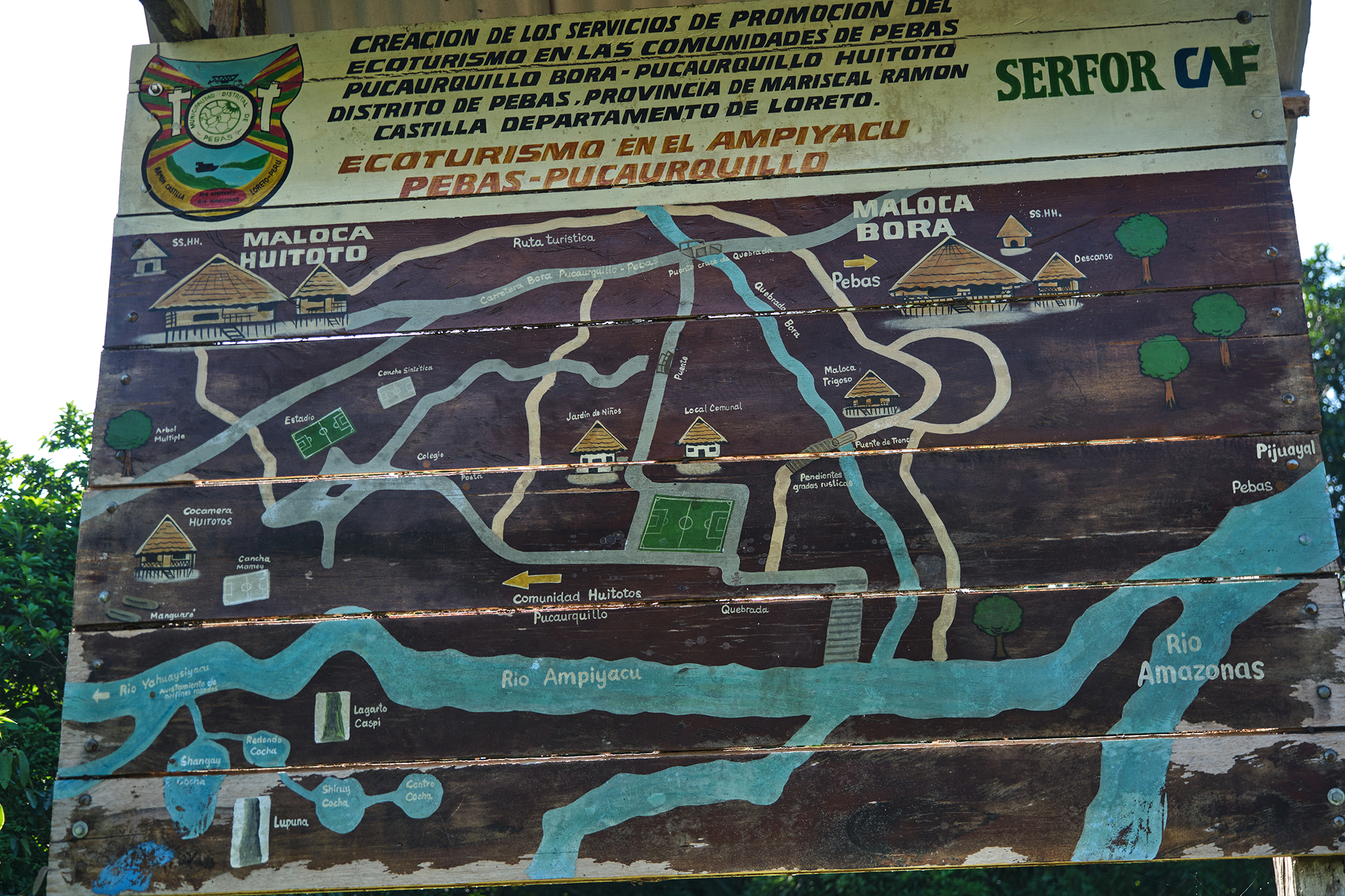
In July of 2025, we had our first visit to the Native Community of Pucaurquillo, located along the Ampiyacu River, in the district of Loreto, east of Iquitos, where a mix of Bora, Huitoto, Ocaina, and Yagua communities reside. Some of these communities had previously inhabited areas to the north across the Colombian border. And in particular, the Bora, who coming from the Putumayo region, were forced to emigrate during the rubber boom of the 1900’s, which marked one of the darkest times in the history of Amazonian people. Pucaurquillo was given its official title in 1975.
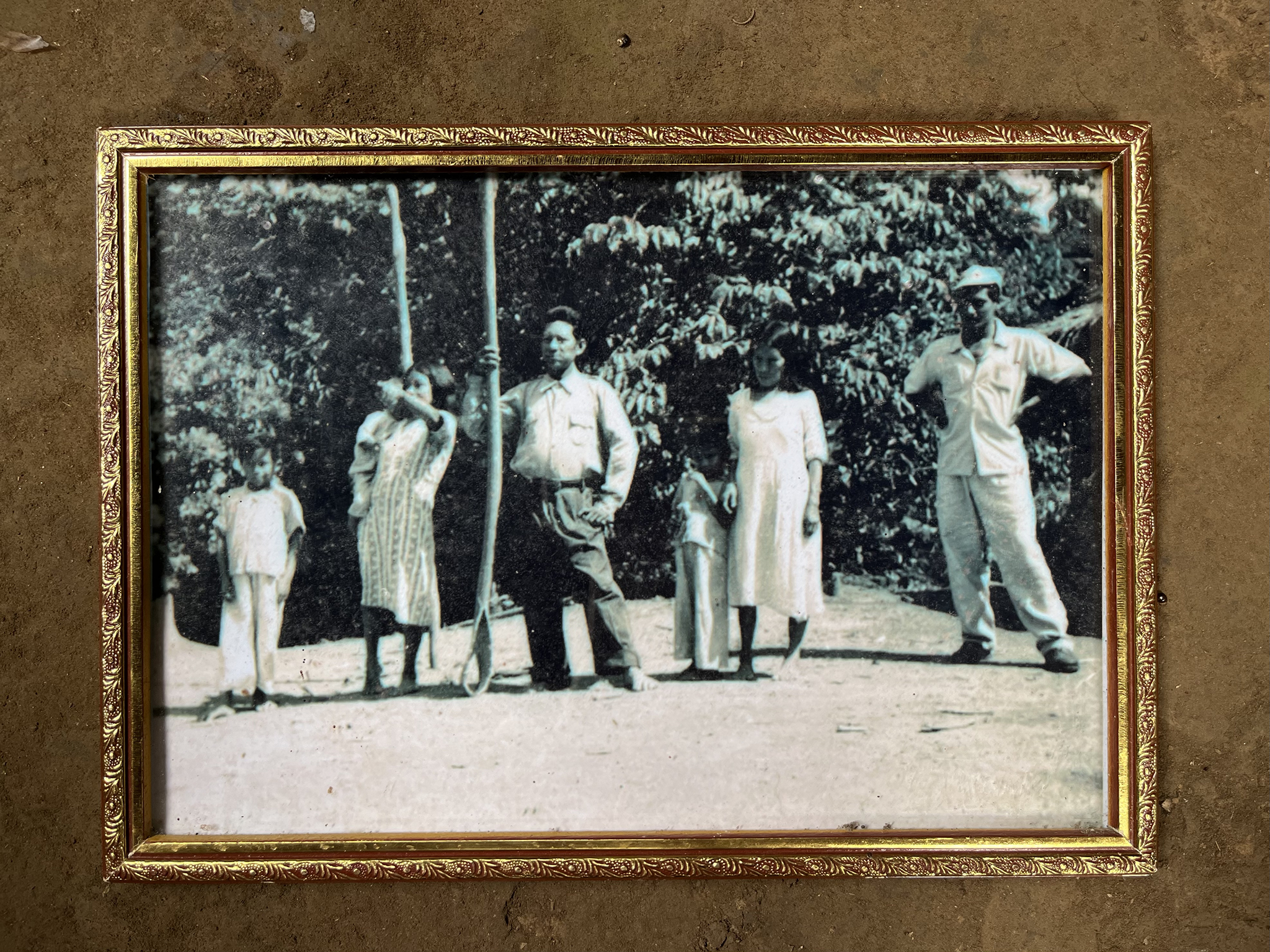
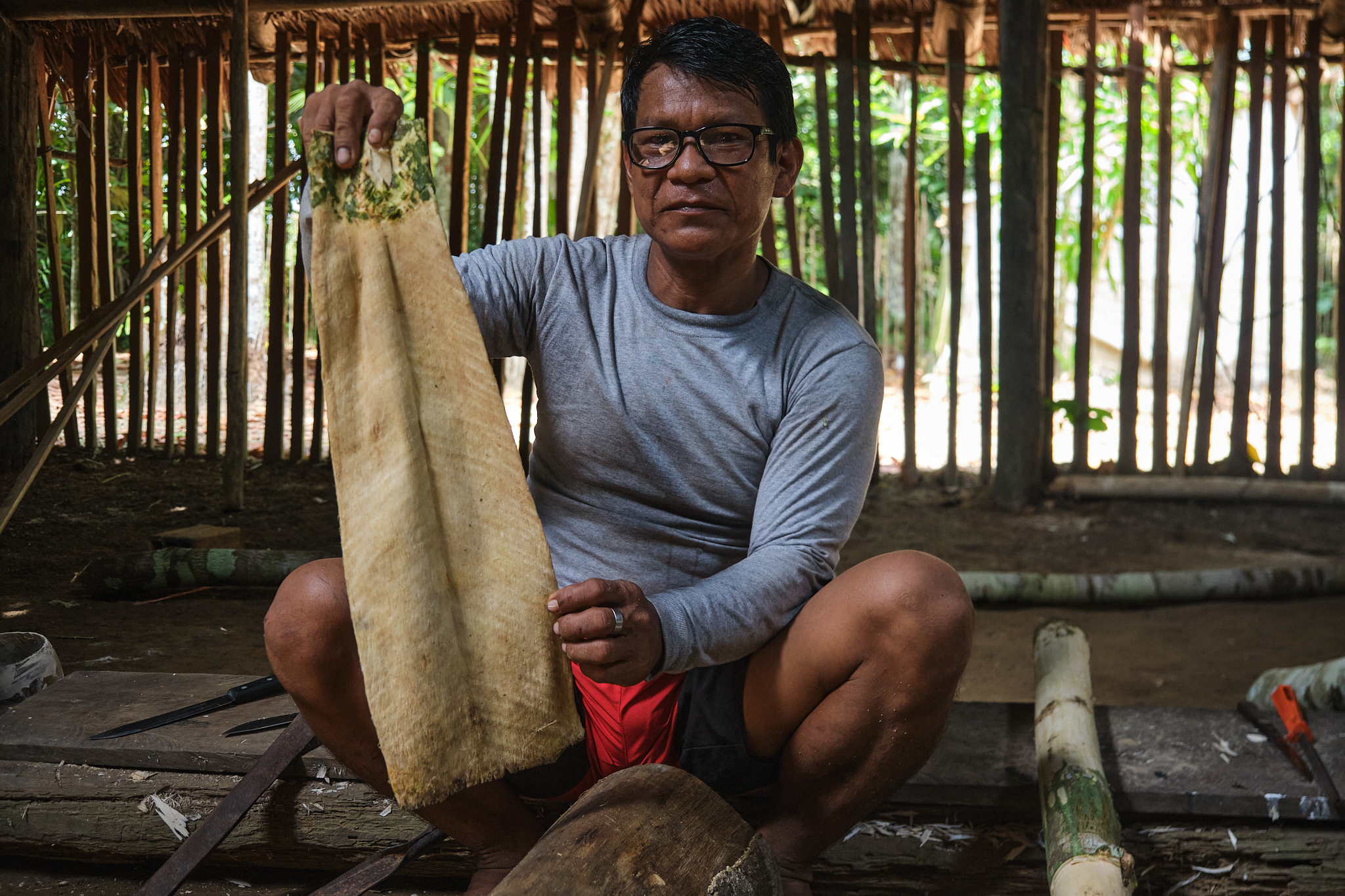
We were first introduced to Alexander Victor Churay in 2023 through his cousin Brus Rubio; a mutual friend and Bora-Murui artist, whose exhibition “Un Viaje Amazónico” debuted at Xapiri Ground in 2022. For two years, our founder, Jack Wheeler, had maintained contact with Alexander through phone calls and WhatsApp messages, where he would share his knowledge and love for carving traditional masks used in Bora festivals and rituals. Through this exchange, we began supporting Alexander through the buying and selling of his traditional masks carved out of topa wood and small gourd maracas laden with symbols that echoed those of the masks. The currents of our relationship to Alexander were flowing and eventually led us to our first face-to-face meeting on July 14, 2025.
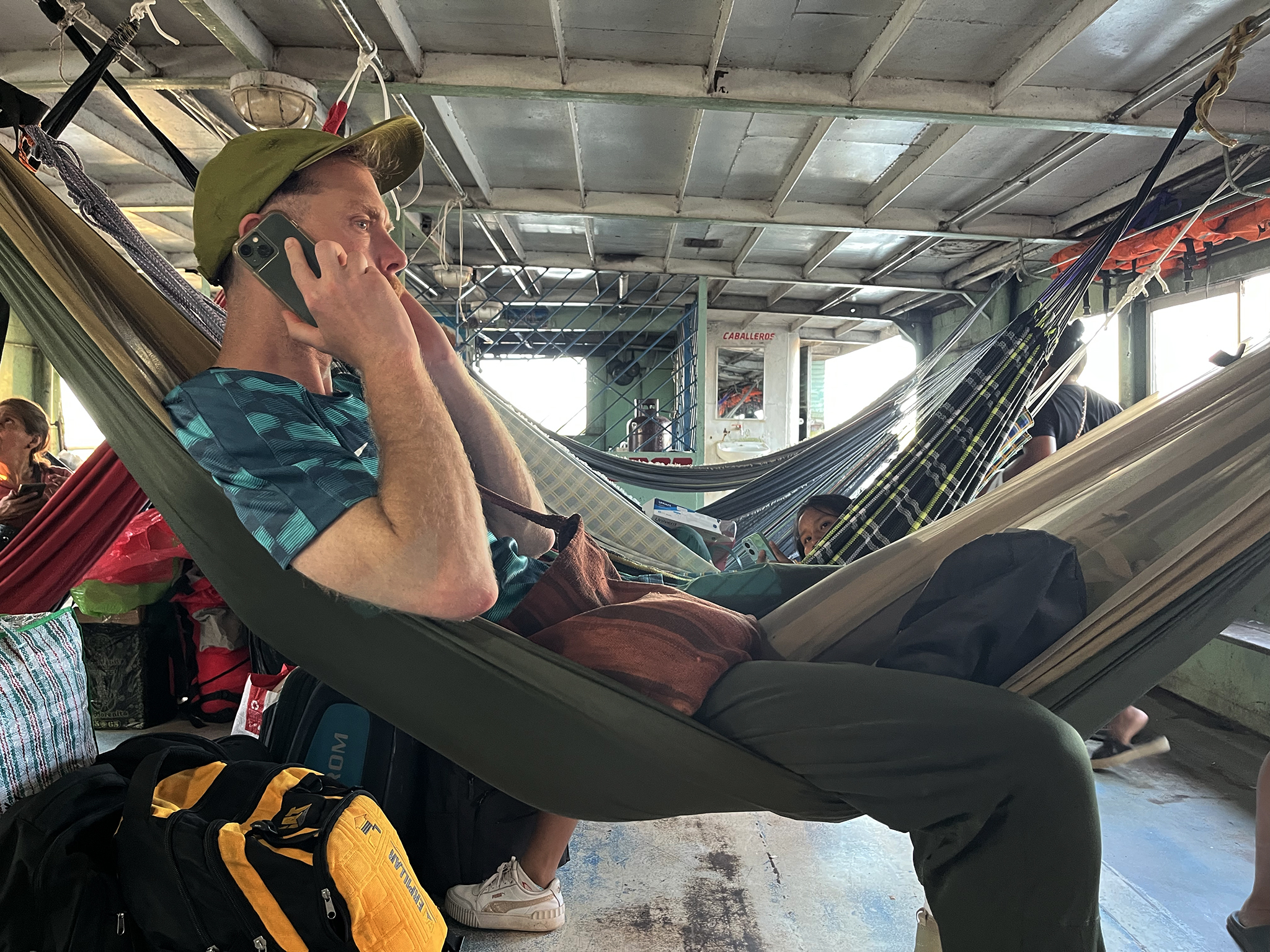
We embarked on a 1-day journey from the port of Iquitos to Pebas via a slow boat or lancha, which is a multi-day journey boat commonly used to transport goods, animals, and cargo along the Amazon River. Passengers would hang up their hammocks and sleep through the night until they arrive at their destination. Our arrival was received with much anticipation and open arms, met by Alexander and his daughter Raquel the following morning at the river port. Our team consisted of Jack Wheeler, Davis Torres, and me, Melanie Dizon. Alexander couldn’t believe that after two years, he would finally get to meet Jack in person.
From there, we took two mototaxis to the Pucaurquillo Native Community, where we were to meet the community’s president, Roger, and share the purpose of our visit. Our intention was to become more familiar with the art forms and cultural practices of the Boras of Pucaurquillo, and to develop new relationships. Our visit was approved, and throughout the following few weeks, we would grow accustomed to the villagers and their way of life.
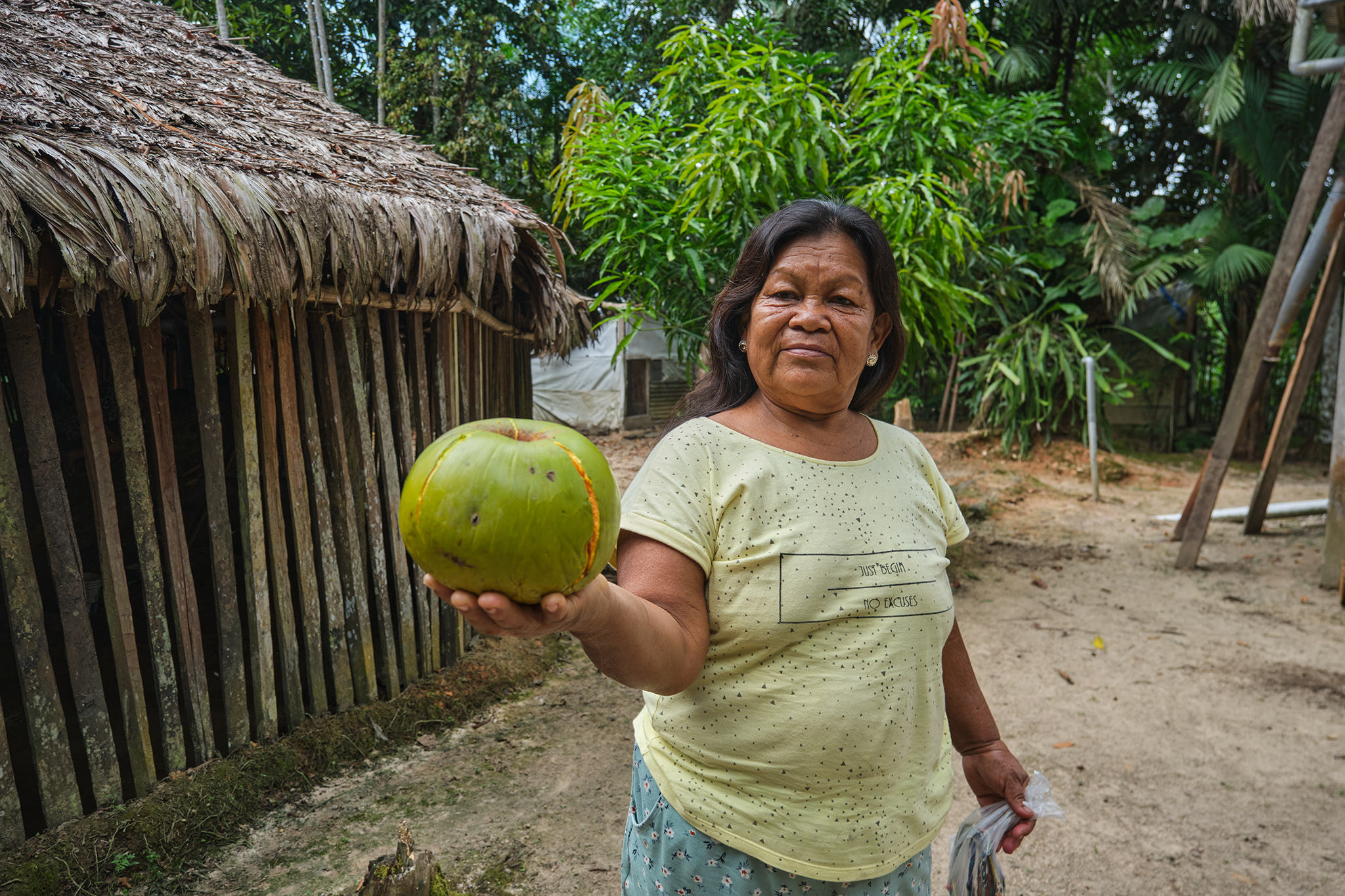
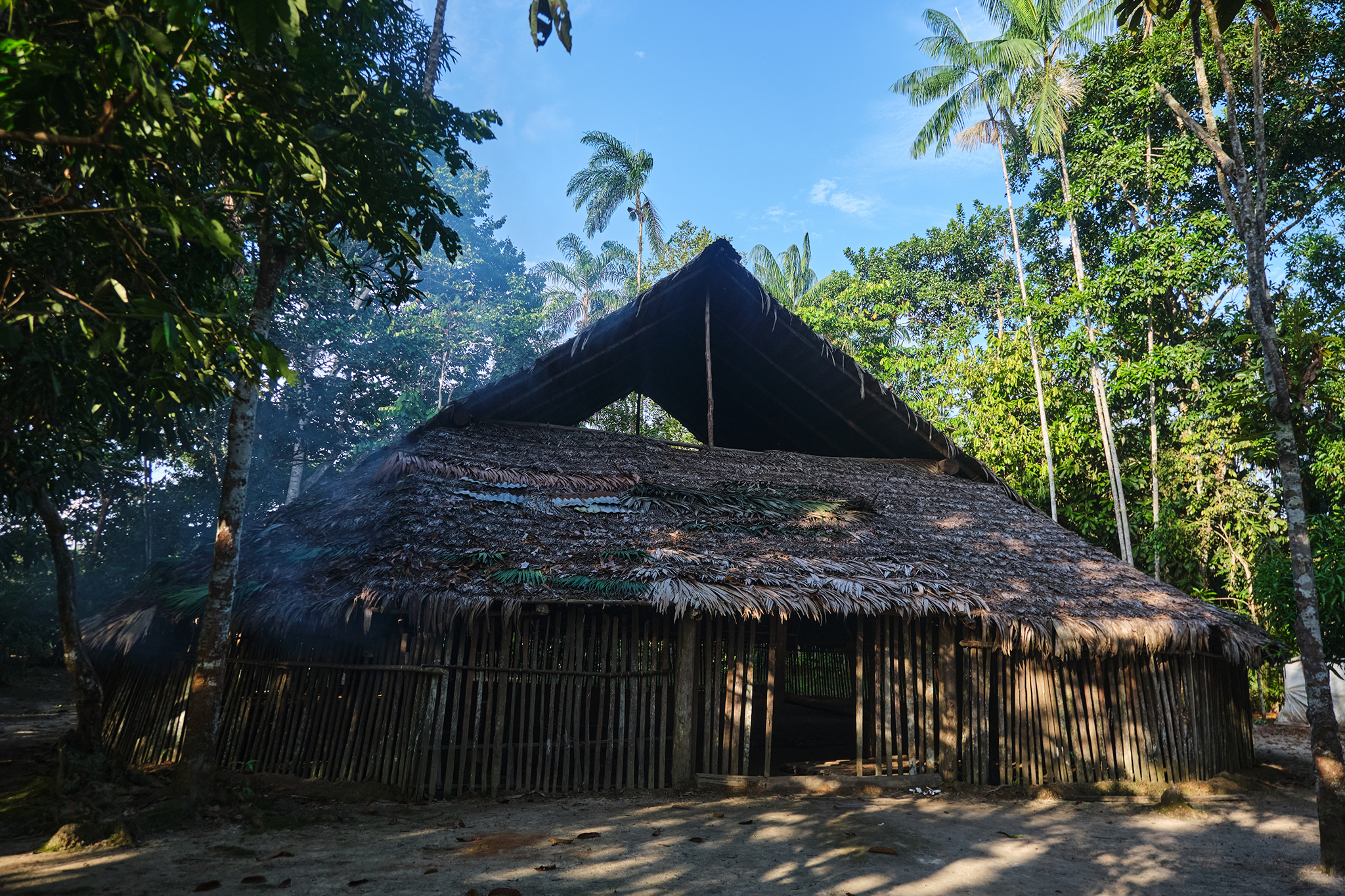
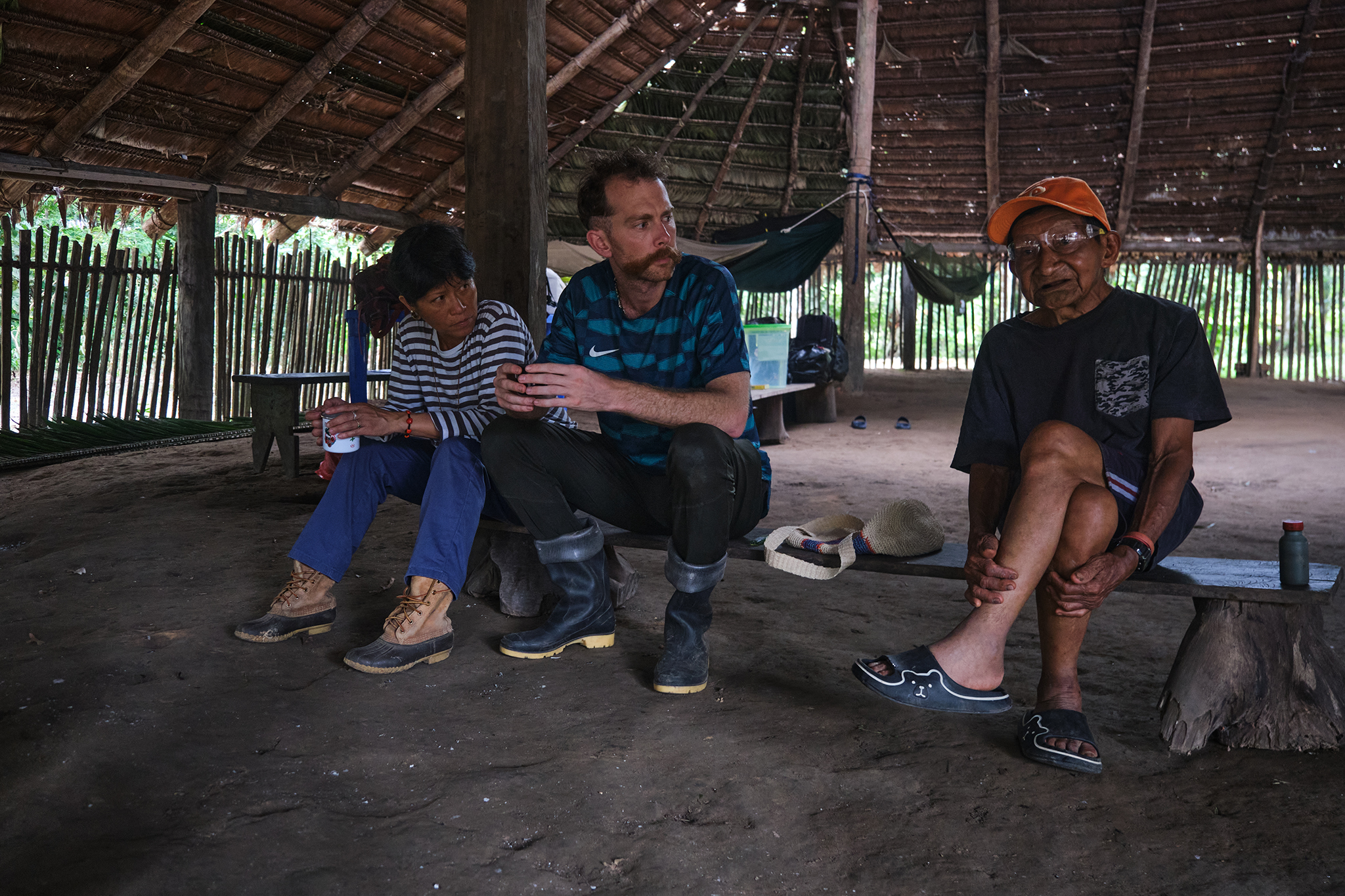
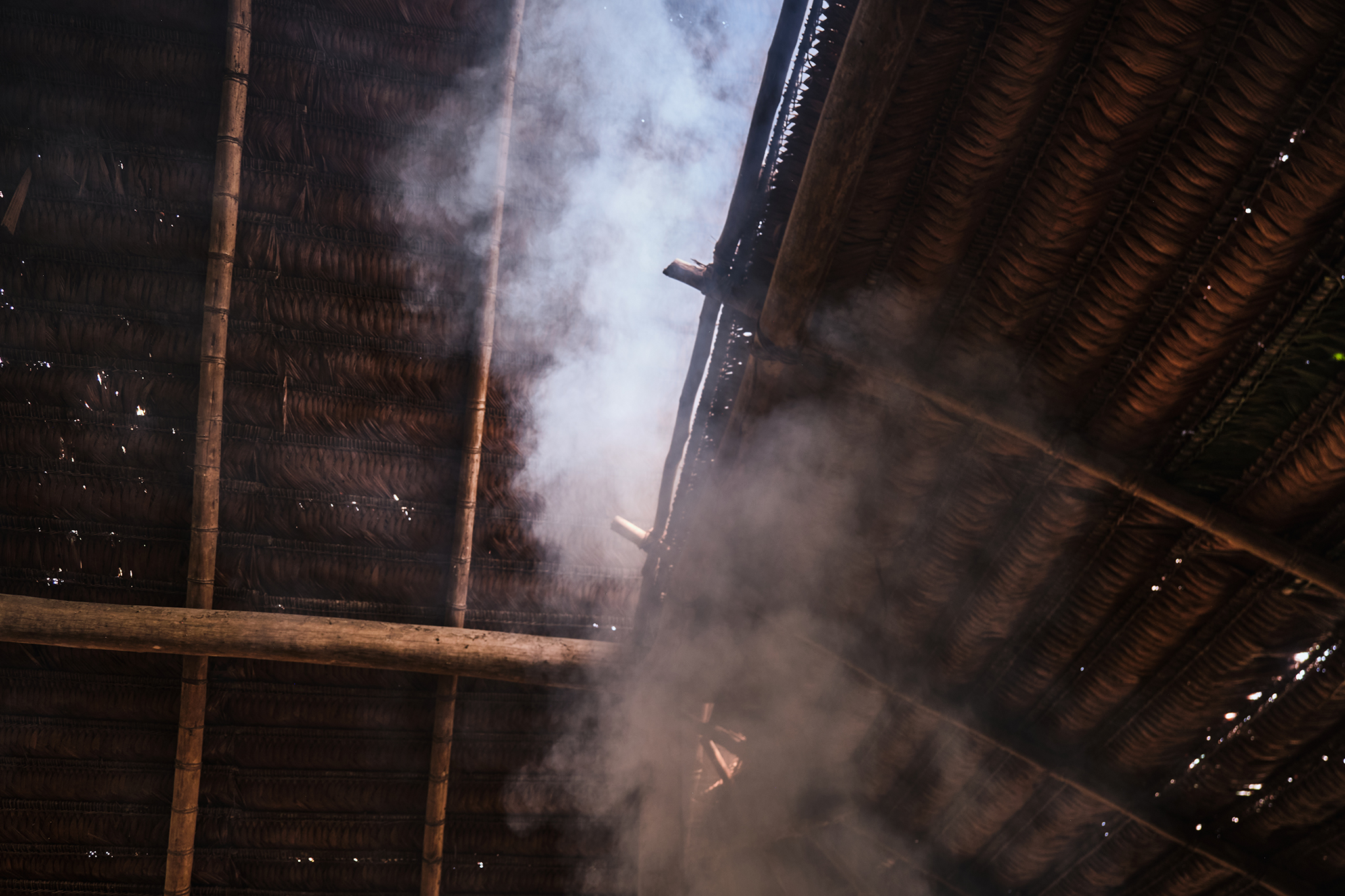
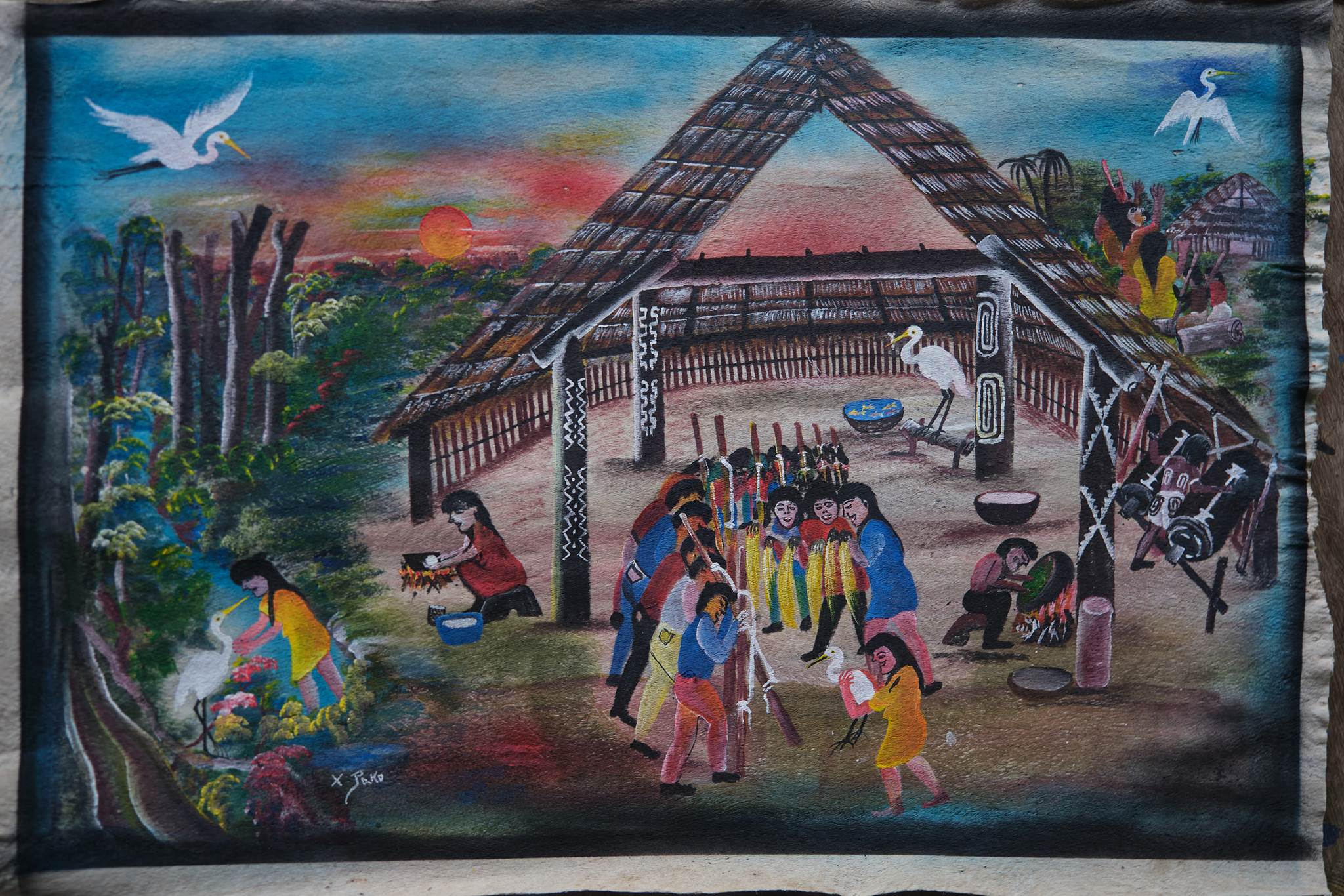
We were welcomed to set up our base inside the main maloca at the home of the Churay family. It was here that we would enter into the history and traditions of their people through the eyes of Alexander and his family. The maloca is the space where significant social gatherings and festivities take place. A sizeable and sprawling structure, it was built upon the foundation of four massive pillars, which are placed in honor of each generational ancestor. We hung our hammocks on the farthest end of the maloca in order not to interfere with its daily use by the community.
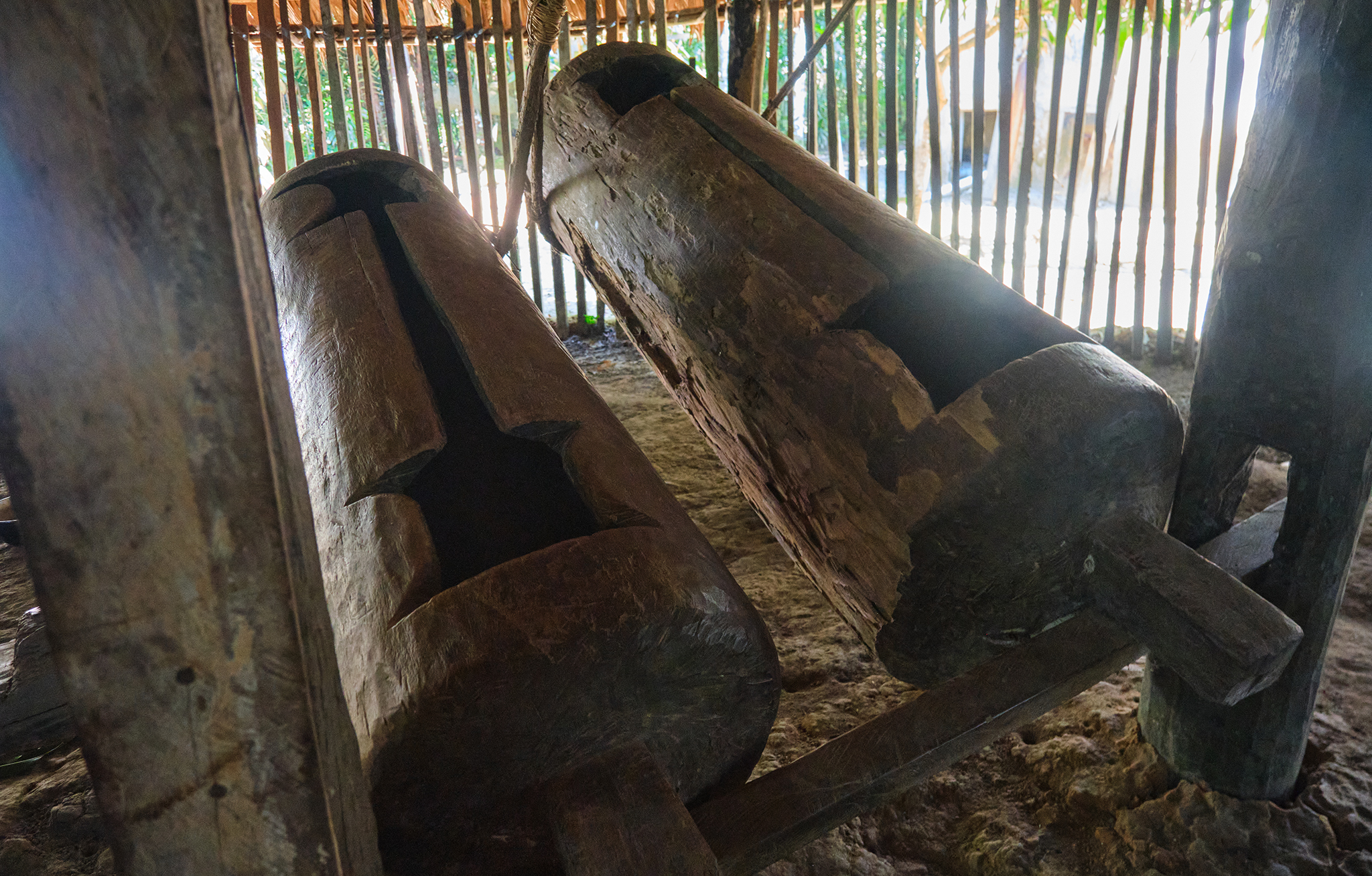
In a corner nearest the entrance hang two large manguaré drums, a female and a male, fashioned from the entire trunk of a hardwood tree. The wood is traditionally hollowed out by burning the inside with embers and scraping away the charred material; a process that sometimes takes months before the instrument is ready to resonate.
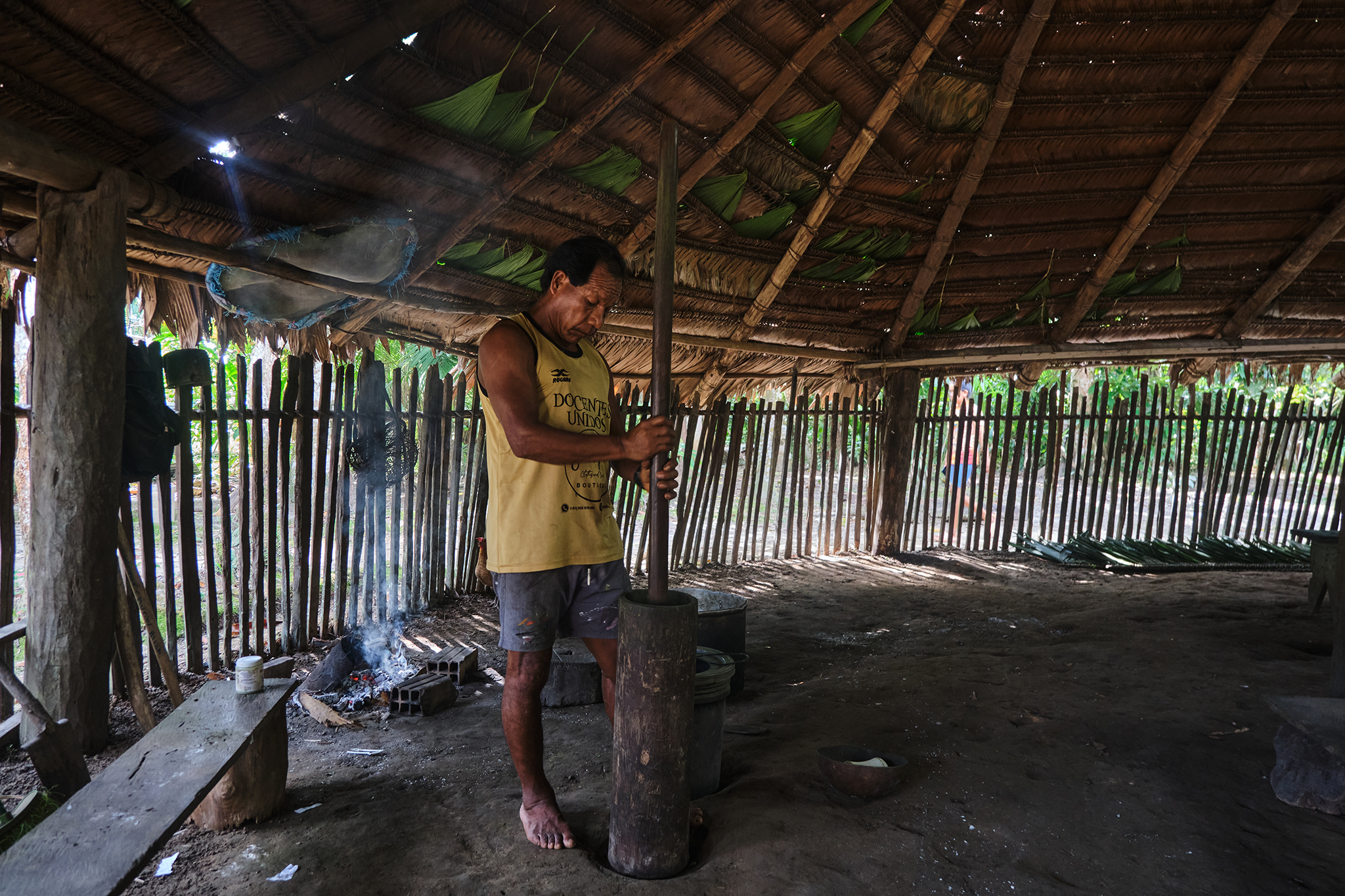
Opposite to the manguaré was an area reserved for their ritual practice of preparing and sharing mambé; a fine powder made from freshly toasted coca leaves and the ash of the cetico leaf. Although this ritual is traditionally practiced by the men, women and visitors have since been welcomed to take part, to which I gave a sigh of relief.
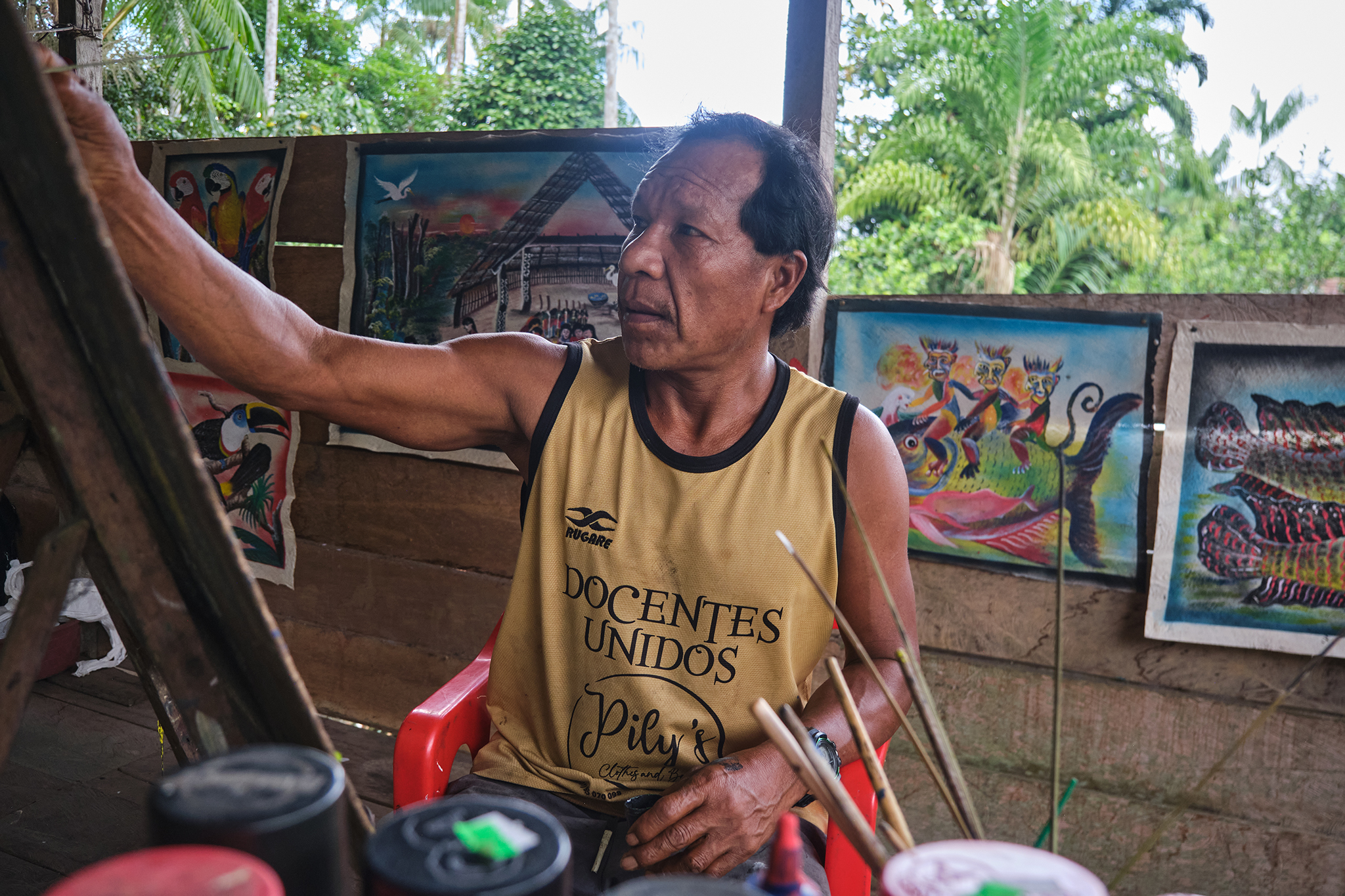
We began our visits to meet the other members of the Churay family, such as Gladys (Alex’s sister) and her husband Paco, who is of Huitoto descent. He showed us around his open studio on the second floor of their house, where his paintings on yanchama fibre hung. He’d mentioned his style of painting was very much inspired by his wife’s brother Victor Churay Roque (1972-2002); an artist who was famously recognized for his painted works on yanchama tree fibre. Victor, throughout his short adult life, had worked hard to reaffirm his cultural identity through his art, immersed within the complexities of the history and ideologies of his family and his people up until his tragic death in 2002. Gladys, his older sister, and Alexander are the surviving children of their father Victor Churay Flores and their late mother Lea Roque.
A few metres away on the same plot was Alexander’s house, where he lived with his wife Laura and their four children, and where they looked after Victor, now in his 80’s, who has held the position of “curaca” here in the village. The curaca is the stronghold of his community, traditionally he holds the responsibility for teaching matters related to spirituality, ancestral language, traditions, and medicine. He is concerned about domestic issues and is intertwined in the lives of his people, in which he strives to maintain morality and well-being.
Each morning, Victor would sing in Bora to begin the day, a sort of beautiful ancestral wake up call, sometimes he’ll be seen carving symbols on a gourd while lying in his hammock, and at other times arriving with a basket full of fresh coca leaves that he’d picked from his chacra early in the morning to prepare his mambé for the day, of which he’d eventually share with us that evening.
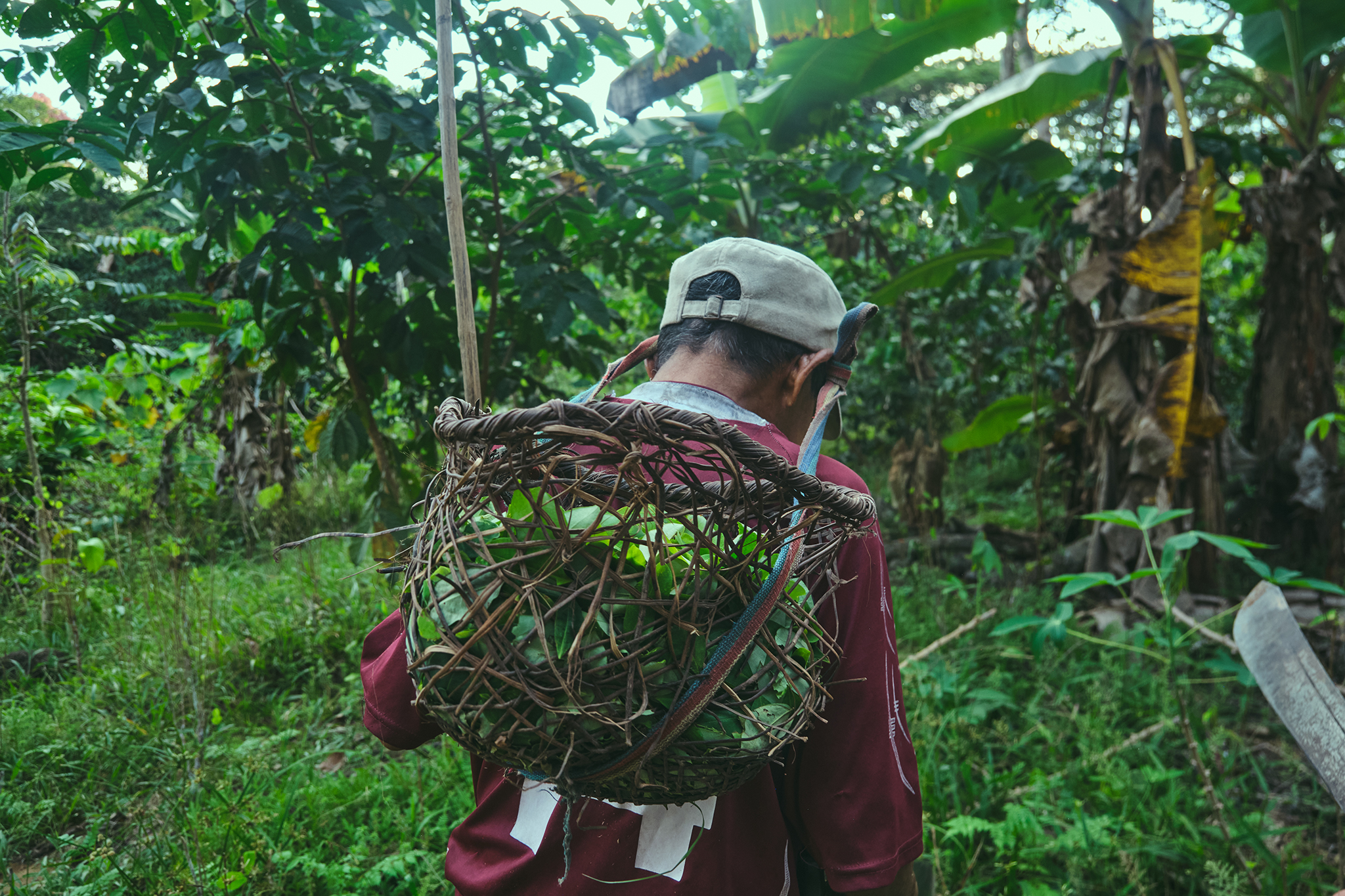
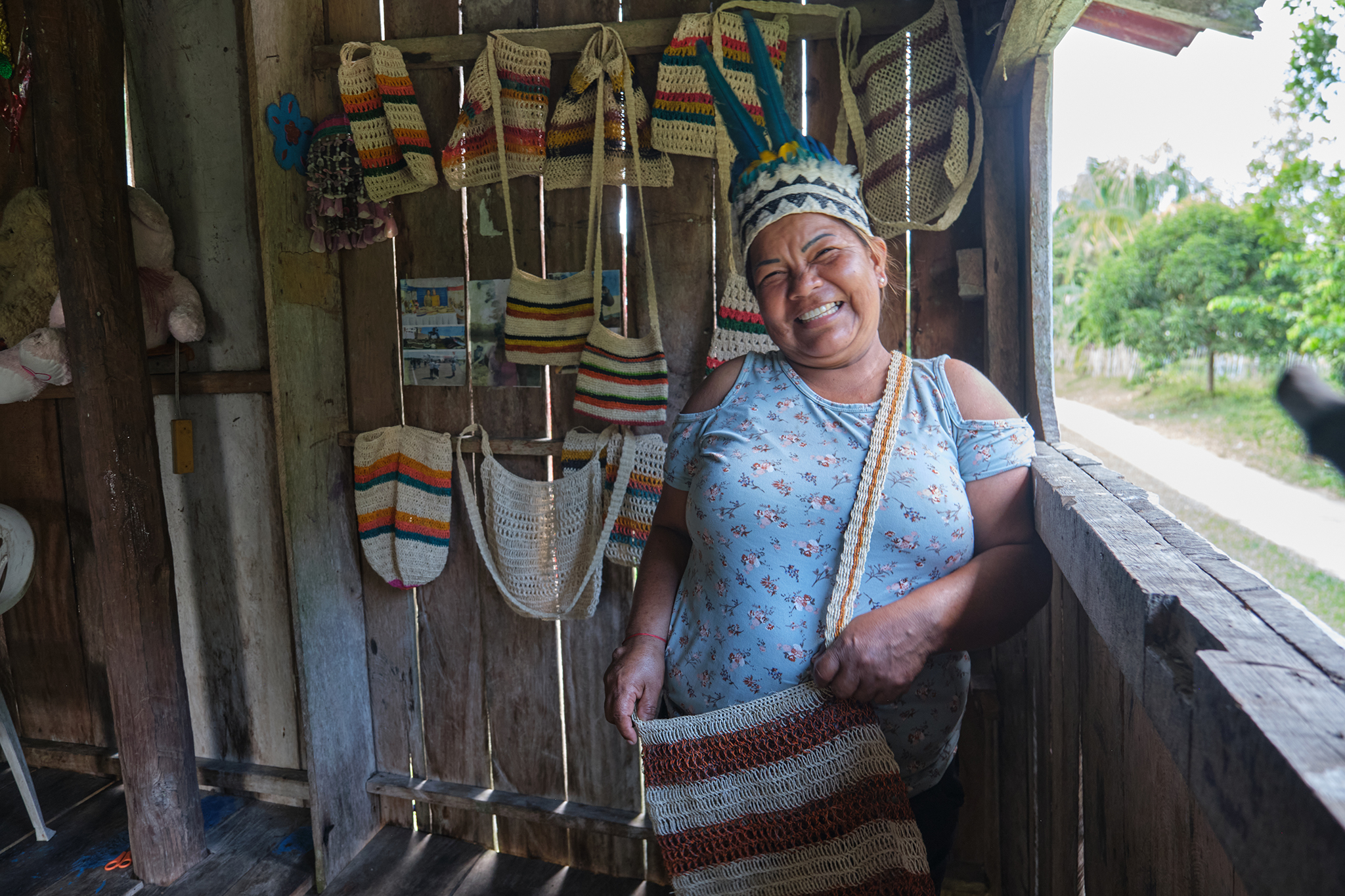
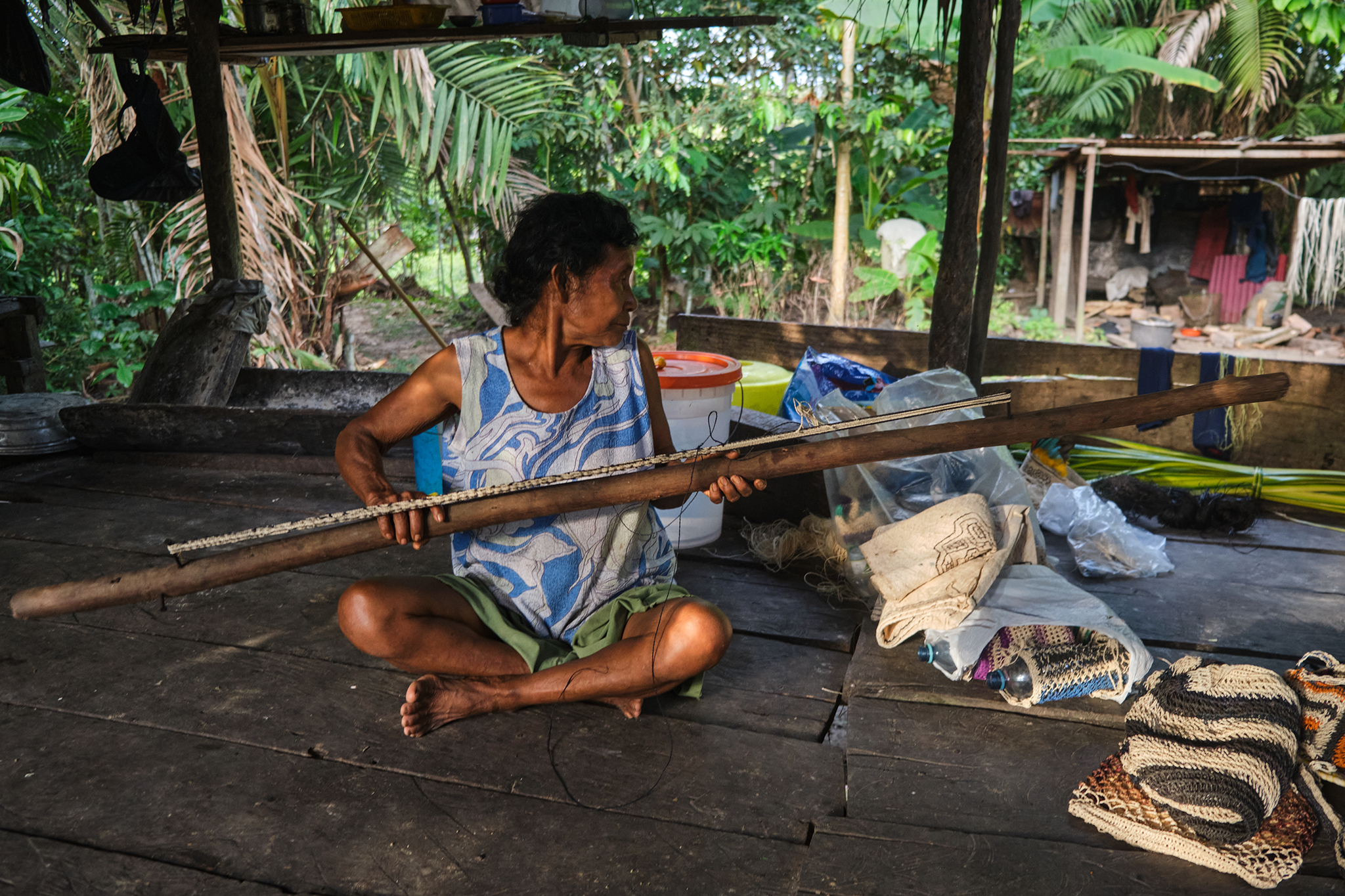
In the days that followed, Alexander would take us around to get to know the people of his community, with a focus on meeting the artisans and the different associations who created with natural fibers, feathers, and other crafts. Although the community is a mix of Bora and Huitoto people, they are bound together by a common thread, the chambira, a sustainable natural fibre derived from the young leaves of the Astrocaryum chambira palm native to the Amazon. The creativity amongst all the women was beautiful to observe as we went from house to house, sharing stories and designs.
Another commonality between the Bora, Huitoto, Ocaina, and Yagua cultures was the yuca plant or cassava, which we’d observed being processed in various ways. The most common yuca grown there is the “yuca brava,” a toxic variety of the cassava root that requires careful, traditional processing. In its simplest form, it’s eaten boiled, in soups, or fried. We also learned about the traditional preparation of yuca as a bread or “casabe”. The Bora recipe involves a tedious process of grating the raw peeled yuca before placing the dough into the “tipití,” a long braided receptacle woven from fibrous leaves, from which all the liquid gets expressed through a tourniquet technique.
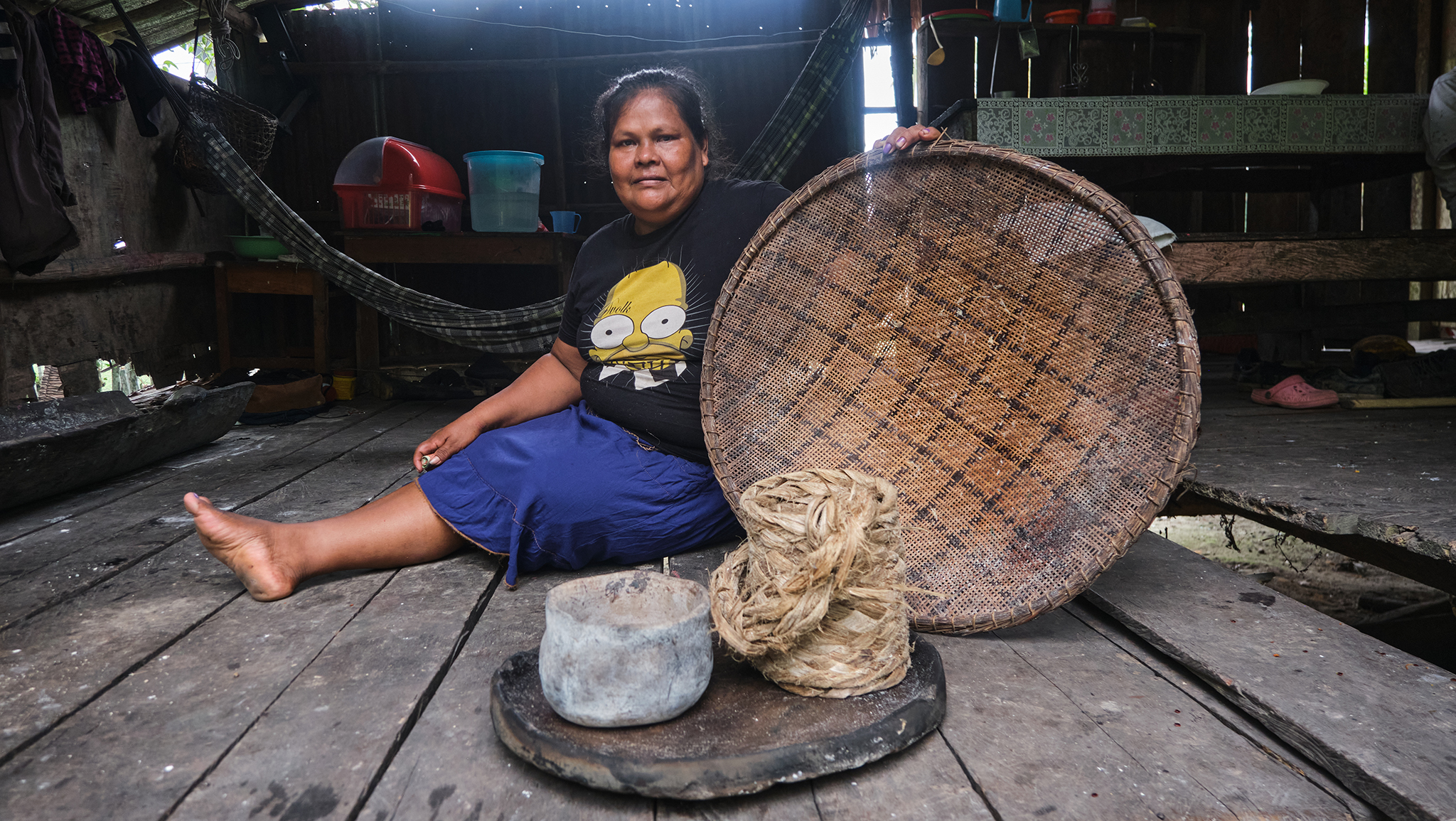
The remaining dough is then ground up again in a wooden mill for consistency and sieved through a cedazo (a round, flat woven sieve made of natural fibre) to obtain the cassava flour. The flour is then spread out over a clay plate or bandola, flipped on both sides to roast over a slow open flame for 10-15 minutes, resulting in a white glutinous Amazonian flatbread that is the main accompaniment to fish and meat. The Huitoto version involves grated yuca that has undergone fermentation and therefore produces a slightly yellower and denser bread.
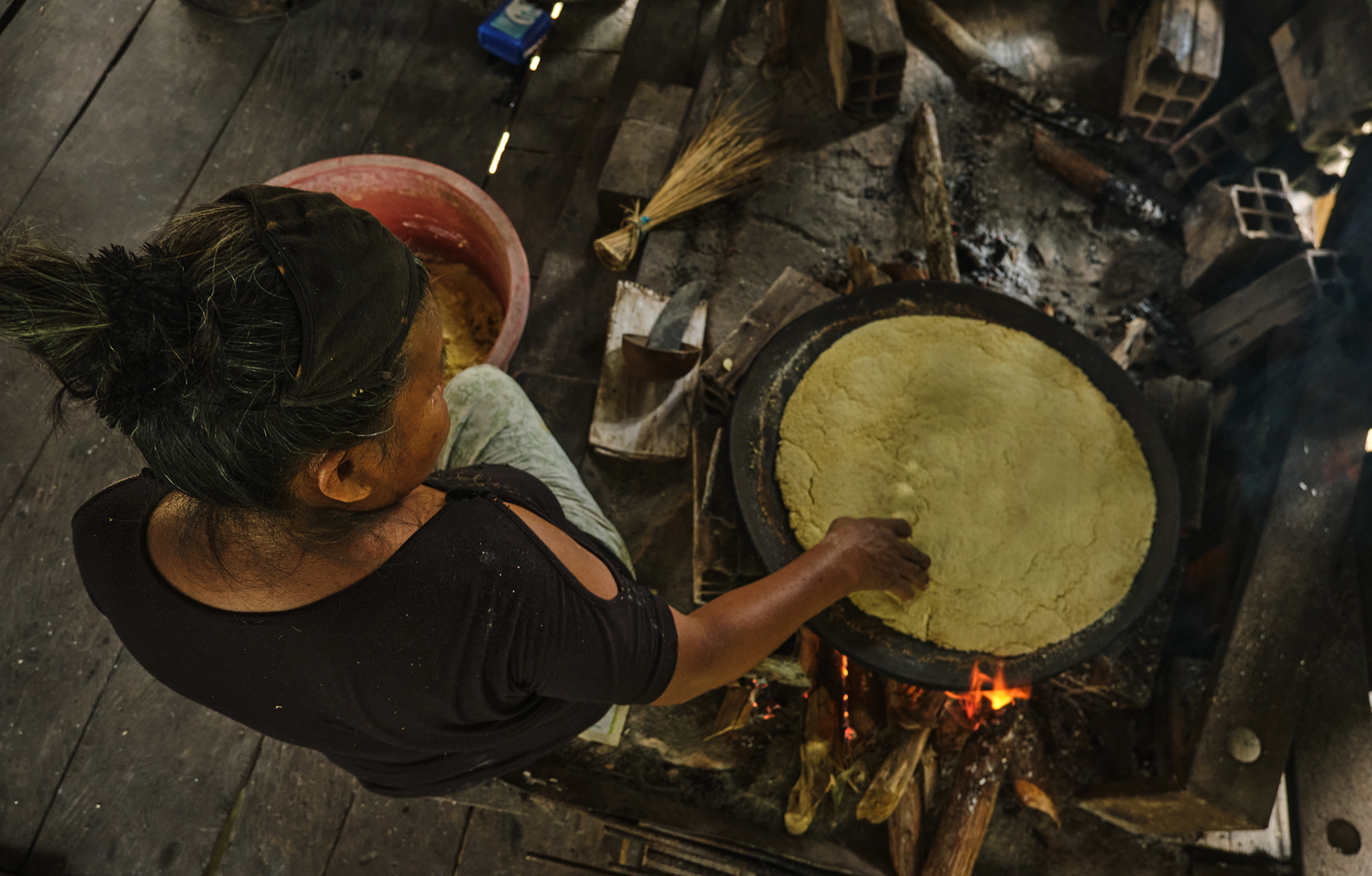
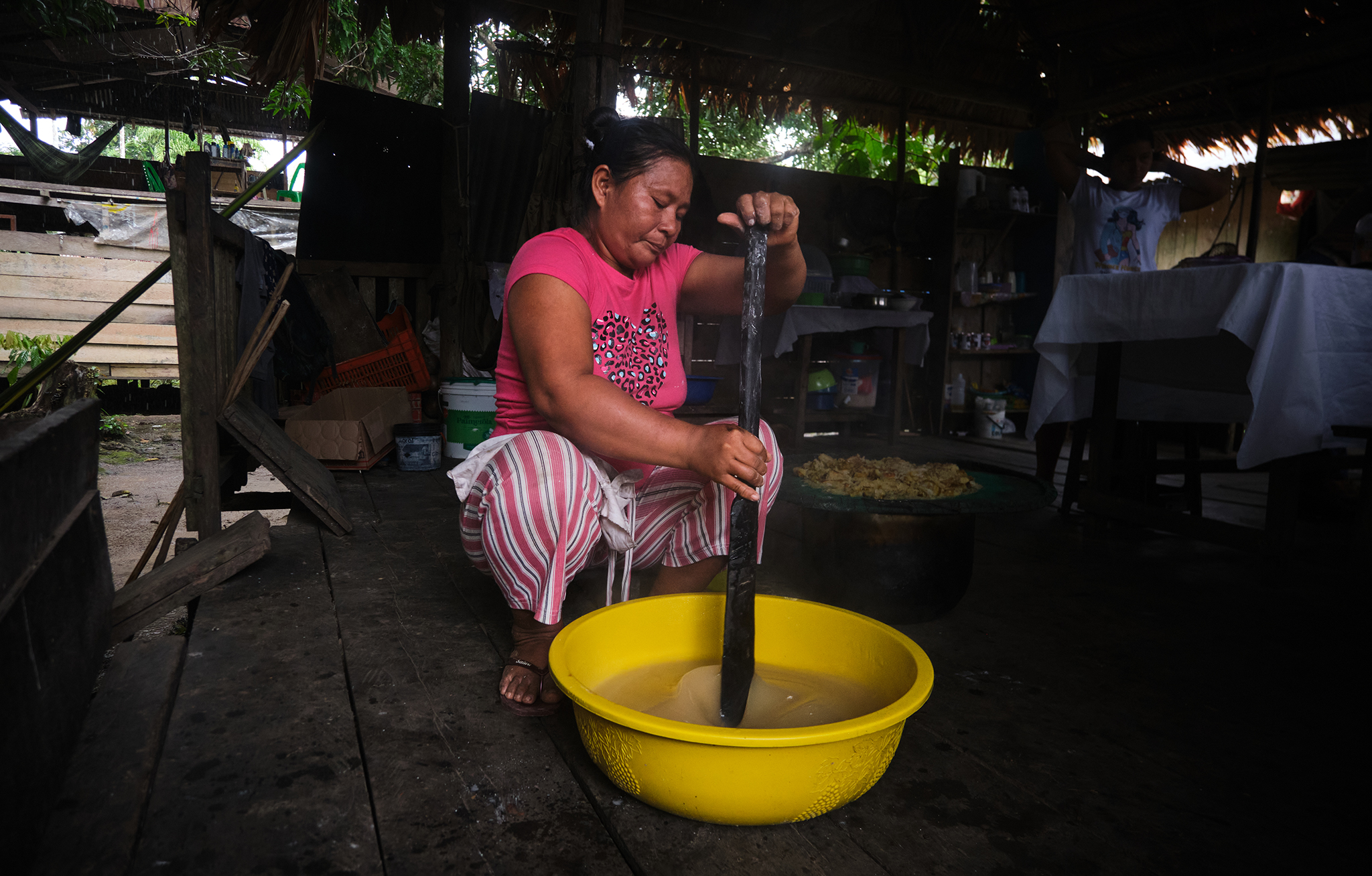
Alexander’s wife Laura, shared with us the preparation of cahuana; a traditional drink also made from the almidón or starch of the yuca, normally mixed with pineapple, aguaje, or açai. She also cooked with the macambo nut (Theobroma bicolor), placing it in soups along with a delicious sauce called “aji negro” which is acquired by cooking down the almidón of the yuca until it reaches the consistency of a dark, salty liquid similar to soy sauce, to which she adds a special ant which brings out a lemongrass type flavor. She is of the Yagua ethnicity and also works with chambira fibre and natural pigments.
Every evening, Jack, Davis, and I would join in on the bonding circle that took place in the maloca, where the ritual of preparing the mambé powder was performed on a daily basis. There on a long wooden bench, we sat and listened to the sounds of the coca leaves being turned and toasted in a large aluminum pot (traditionally clay) over a low flame. The leaves would then be transferred into a tall, slender mortar with a long pestle, where they’d take turns pulverizing the coca into a fine powder, a rhythmic process like the muffled beating of a drum, deep and soothing.
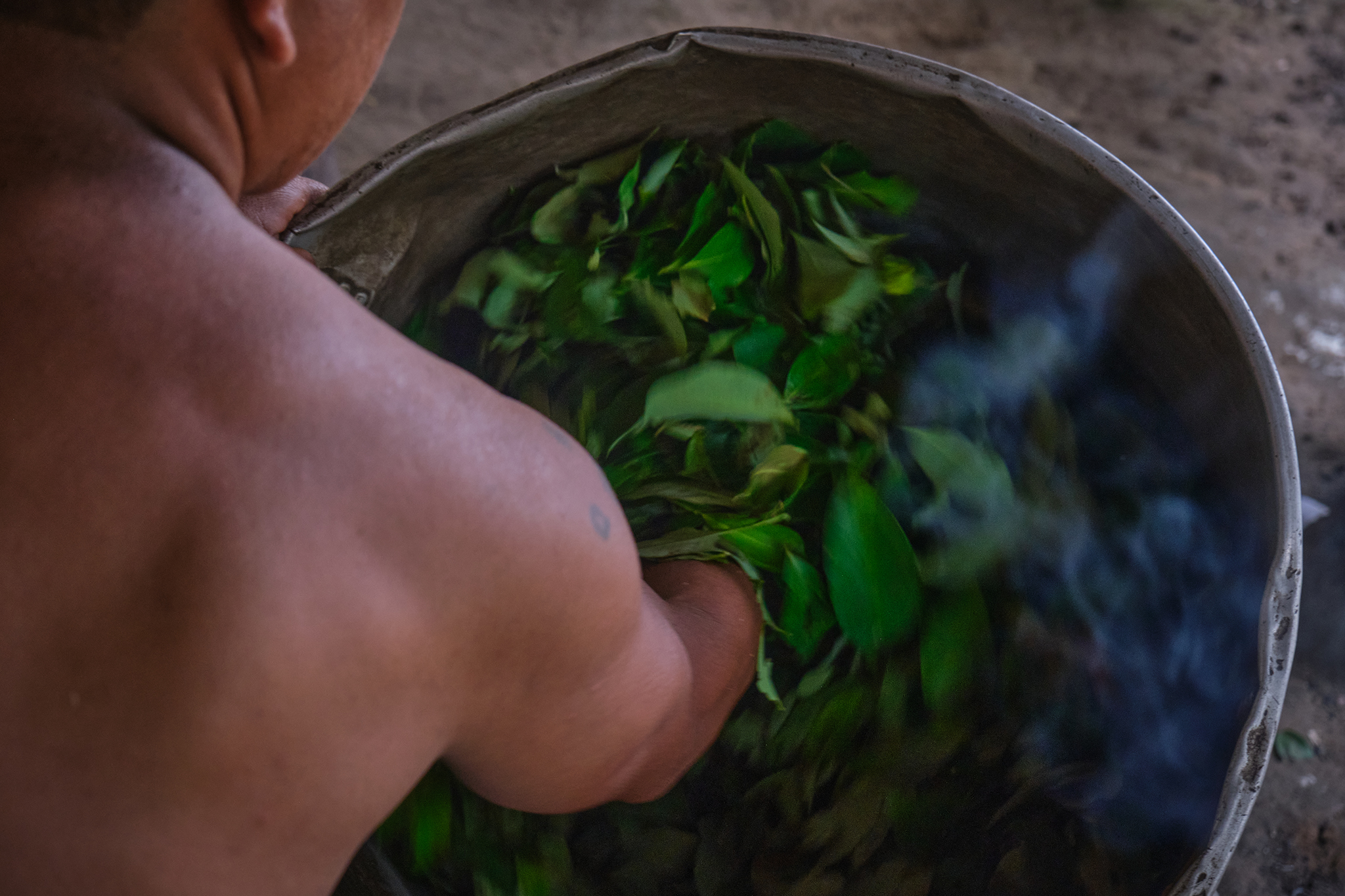
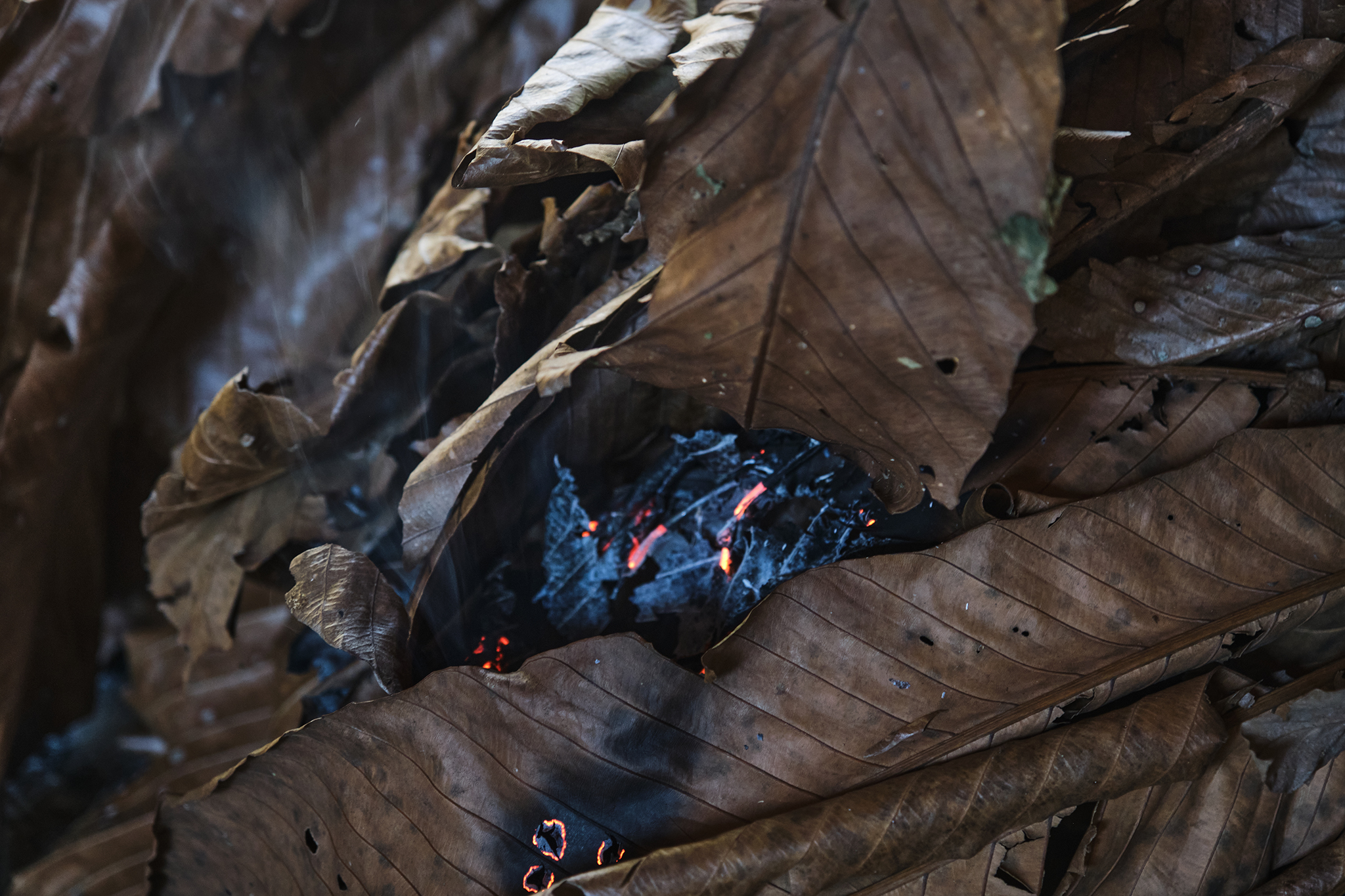
The coca leaf powder would then get mixed with the ashes of the cetico leaf, recently burned, and filtered through a fabric sieve bag before it is poured into a gourd bowl, where each would be given a spoonful to dissolve into the mouth and kept like a ball of tobacco at the side of one cheek. It was here in this circle where deeper connections were made, as the wisdom of the coca leaf made us communicative and transparent, sharing stories and questions while receiving the wise reflections of the curaca Victor, who was always present.
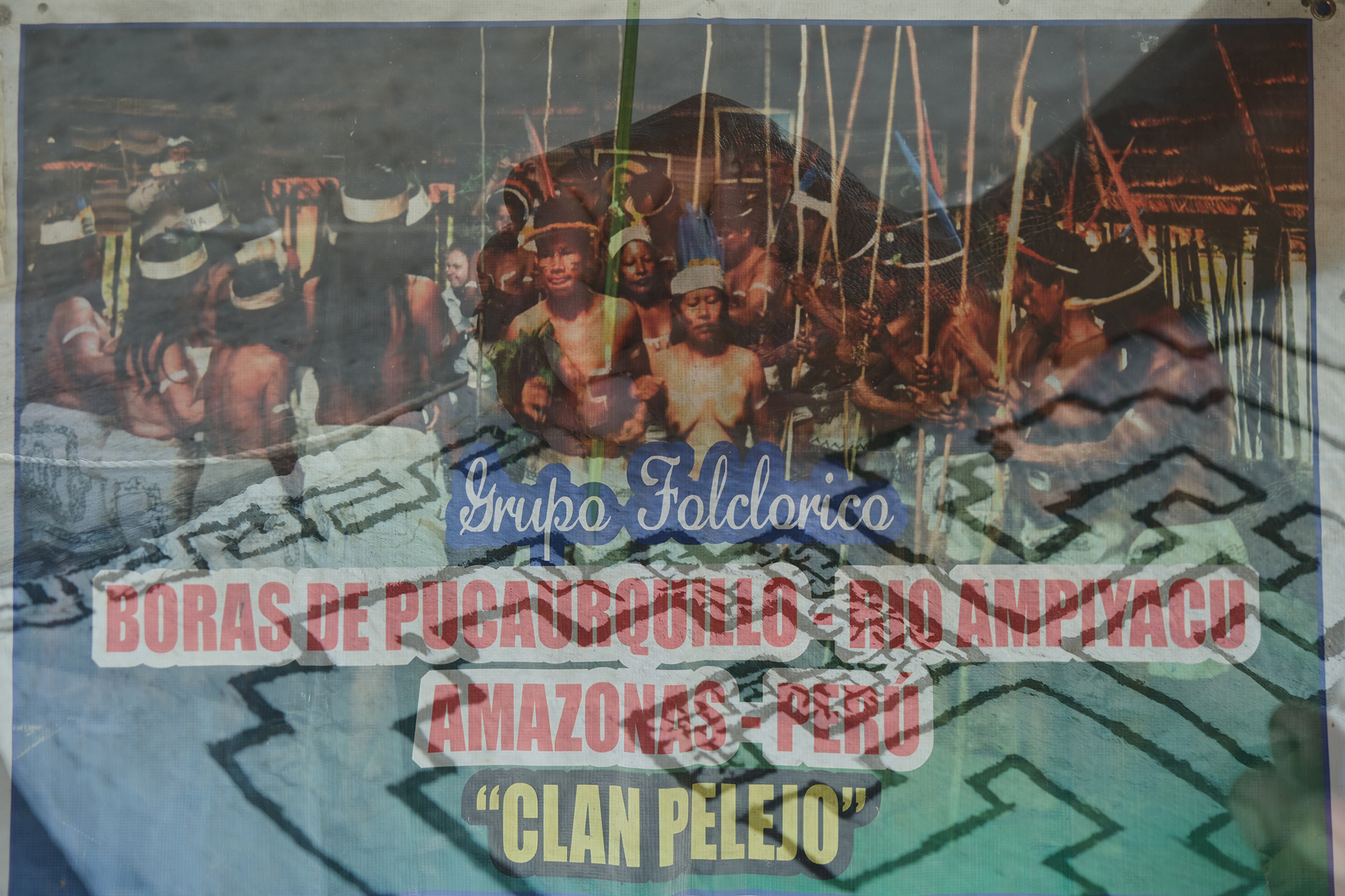
Later in the week, we were curious to get a group of people together into the maloca, from young to old, to come and share their knowledge, opinions, and stories about the Bora history of clans. As we had understood it before arriving to Pucaurquillo, each clan was represented by a unique symbol emblematic of a specific animal, bird, or plant, such as Kuruintsi (ant), Aguaje, Pelejo (sloth), and Carana (palm leaf), accompanied by their distinct songs and stories.
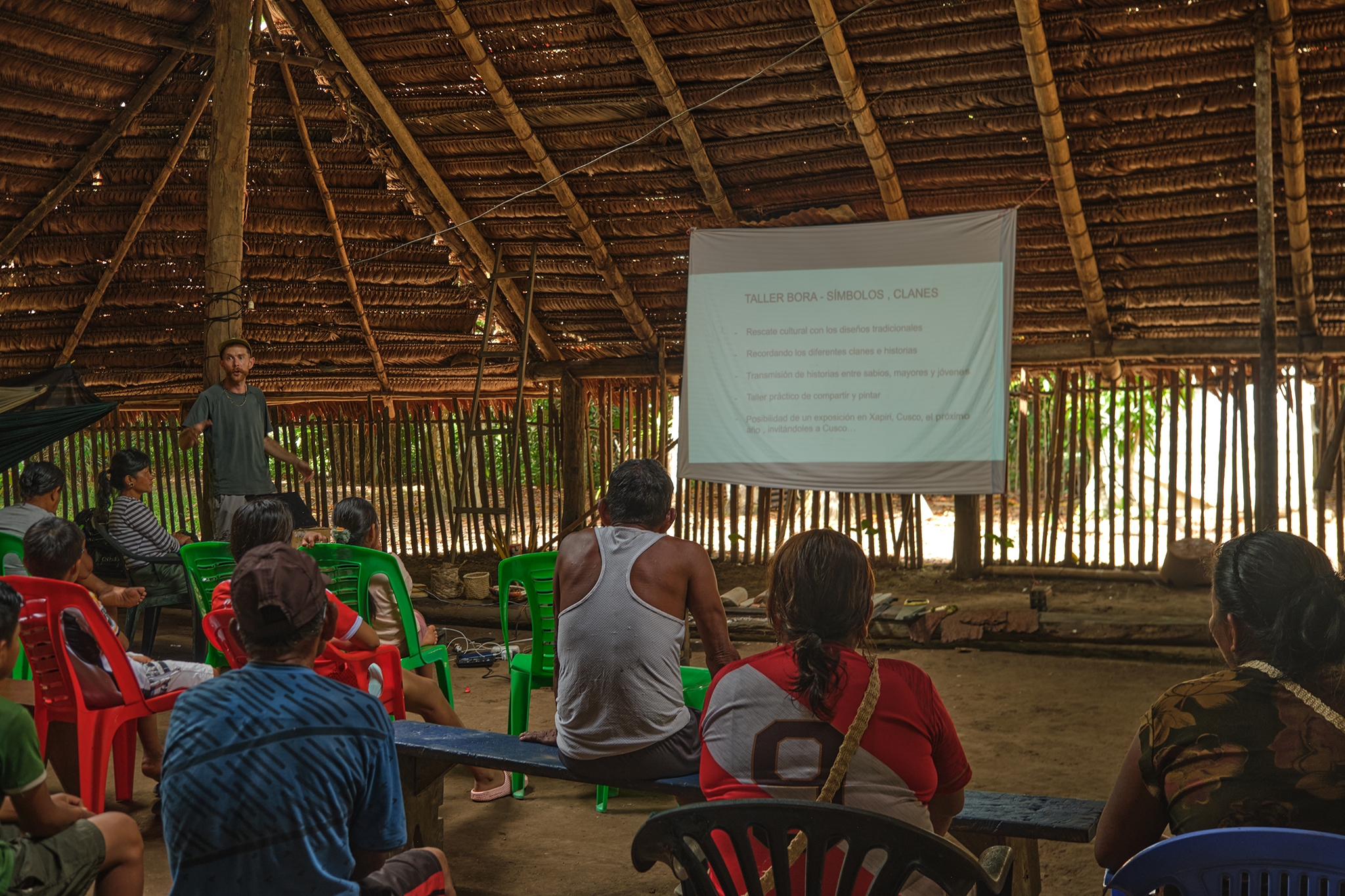
With the help of a few new friends we’d made in the community, such as Wellington, Gladys, and Beto, we organized a meeting in the maloca to present ourselves and open up dialogue between the comuneros centered around a drawing workshop to connect with the symbolism of their Bora identity. The activity proved to be essential to everyone’s understanding of the complexities surrounding generational memory, lineage, and ancestrality. A complexity that cannot be reduced to a symbol.
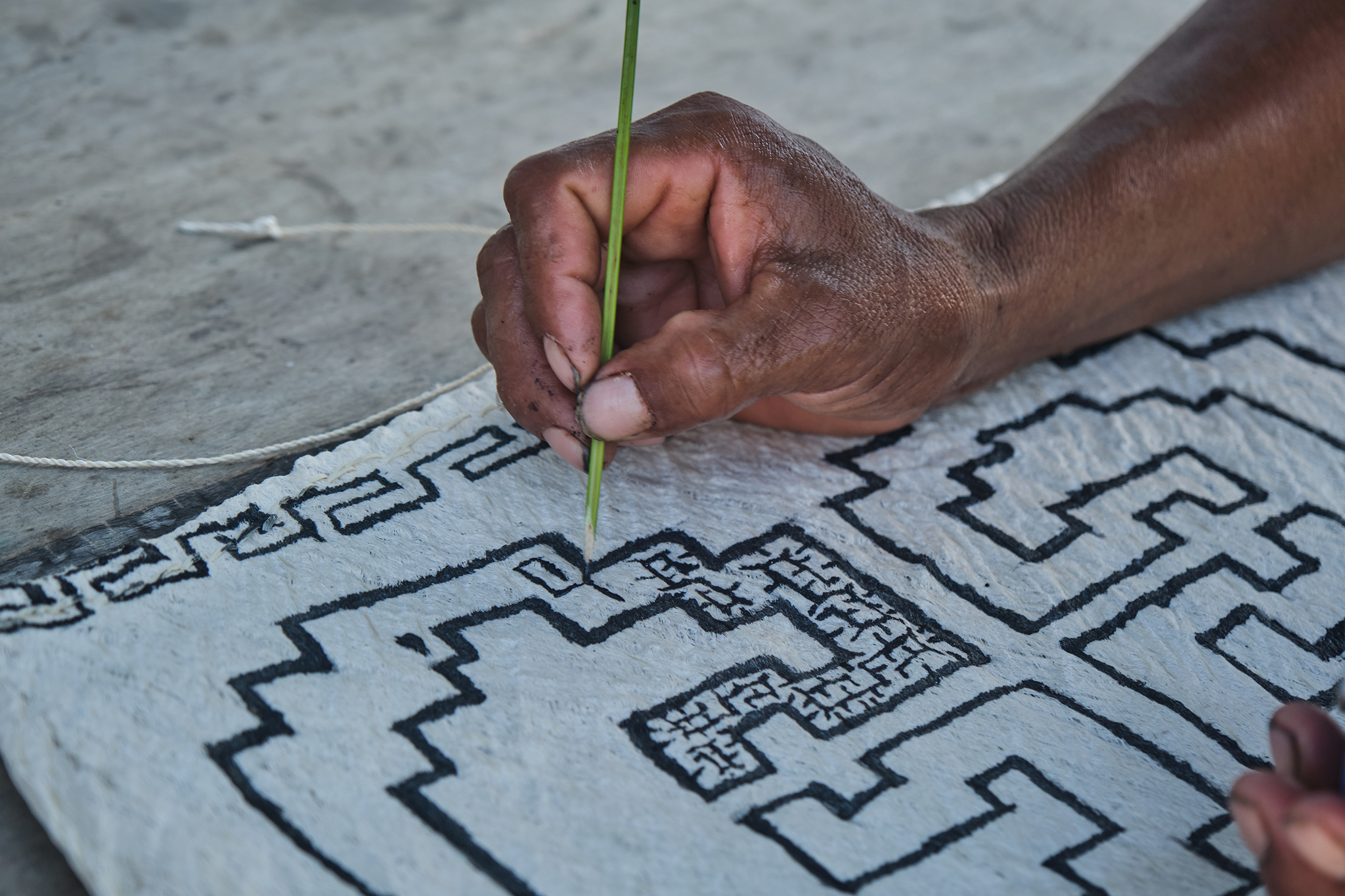
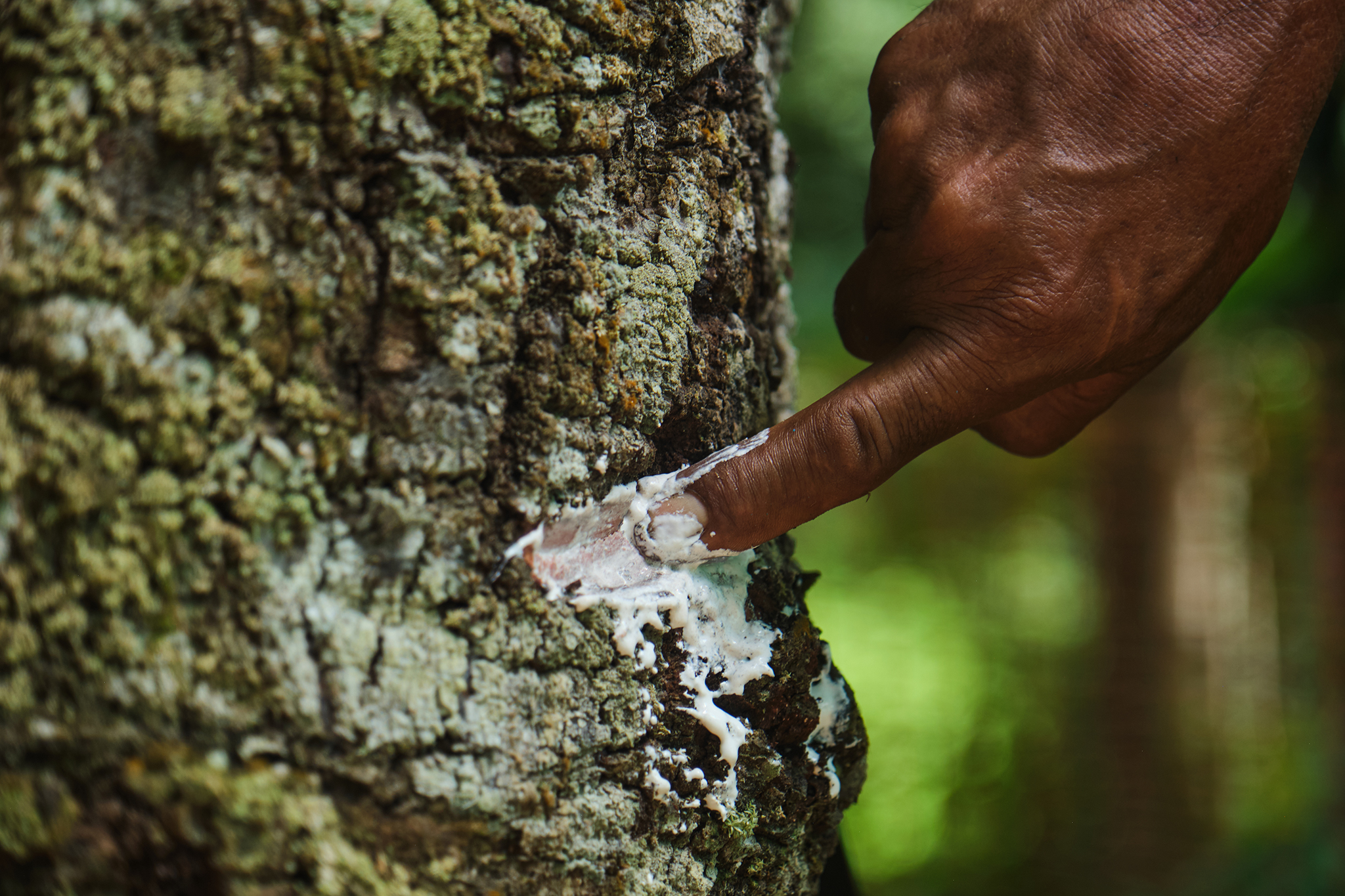
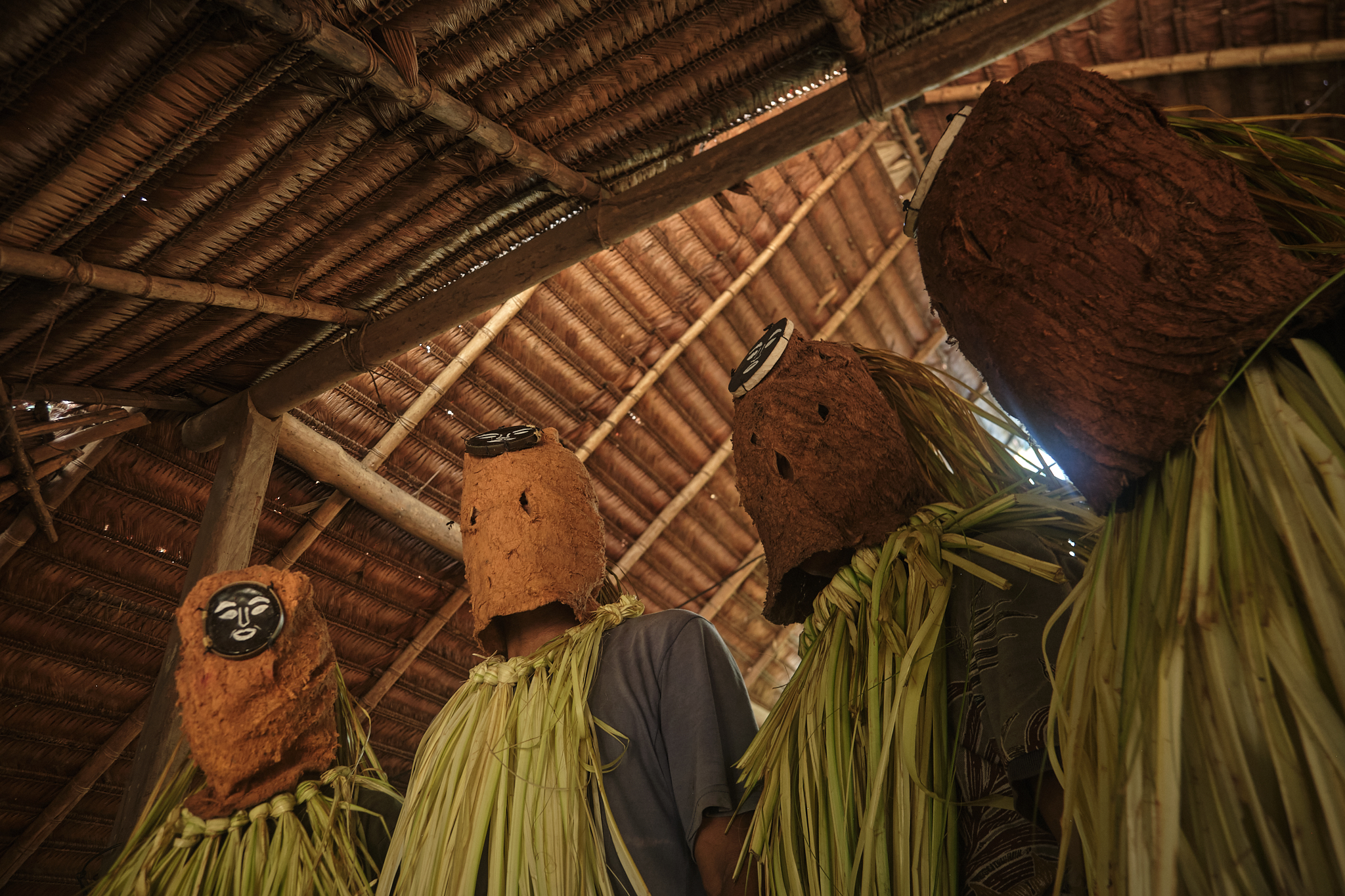
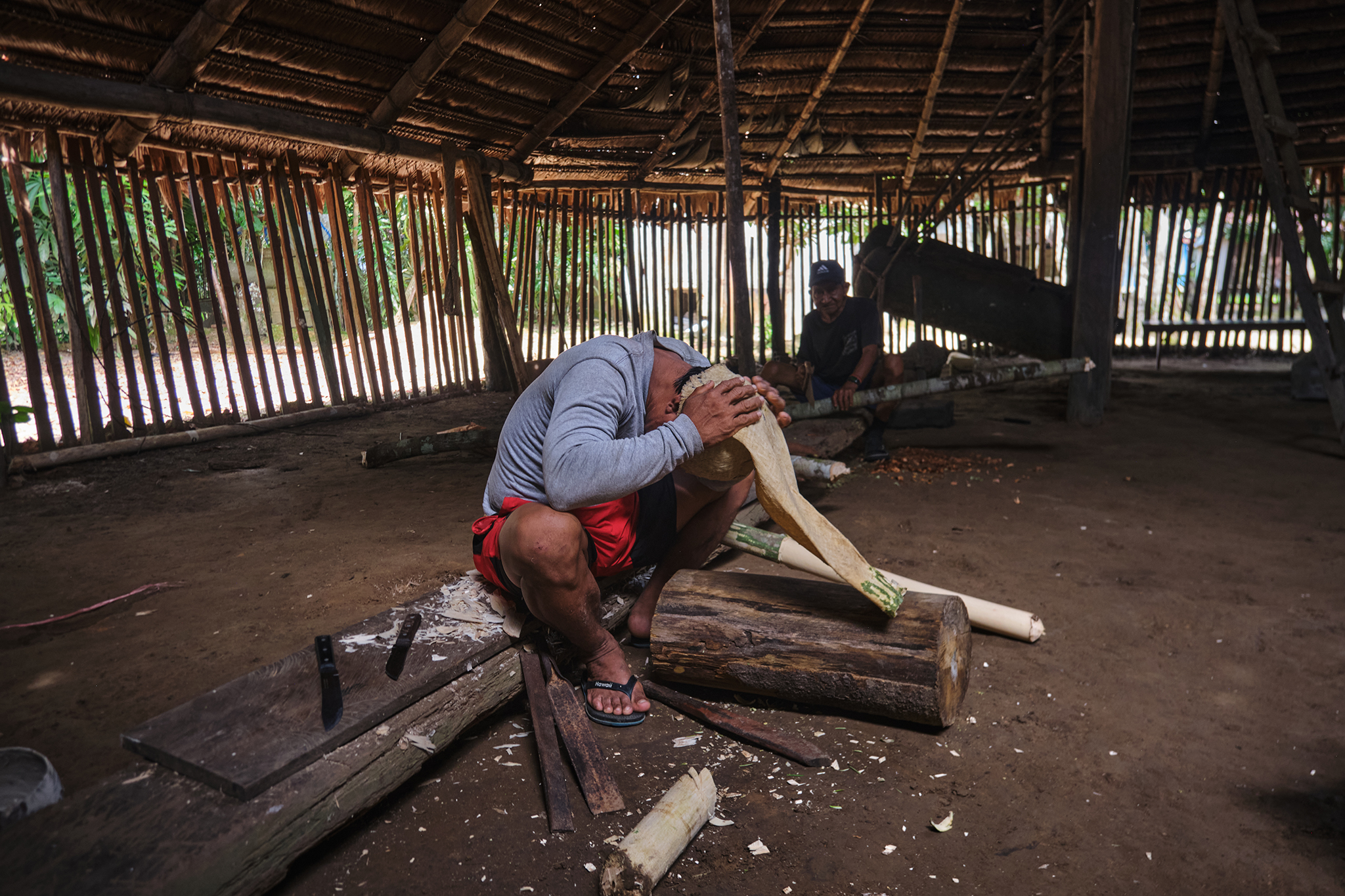
The mythology of the Bora shows its continuity through cultural practices and orality. The painful history of their past remains unspoken yet felt. Yet through the hands that create the objects for celebration and worship, the men transform this memory through the ritual act of battering and peeling away the skin of the yanchama tree, the principal fibre from which the traditional Bora masks and dress are made. In our final week there, we were brought deeper into the process and the history of these Bora masks, which hold an important role in their festive rituals that honor nature, the animals, and the spirits with whom such balance is maintained.
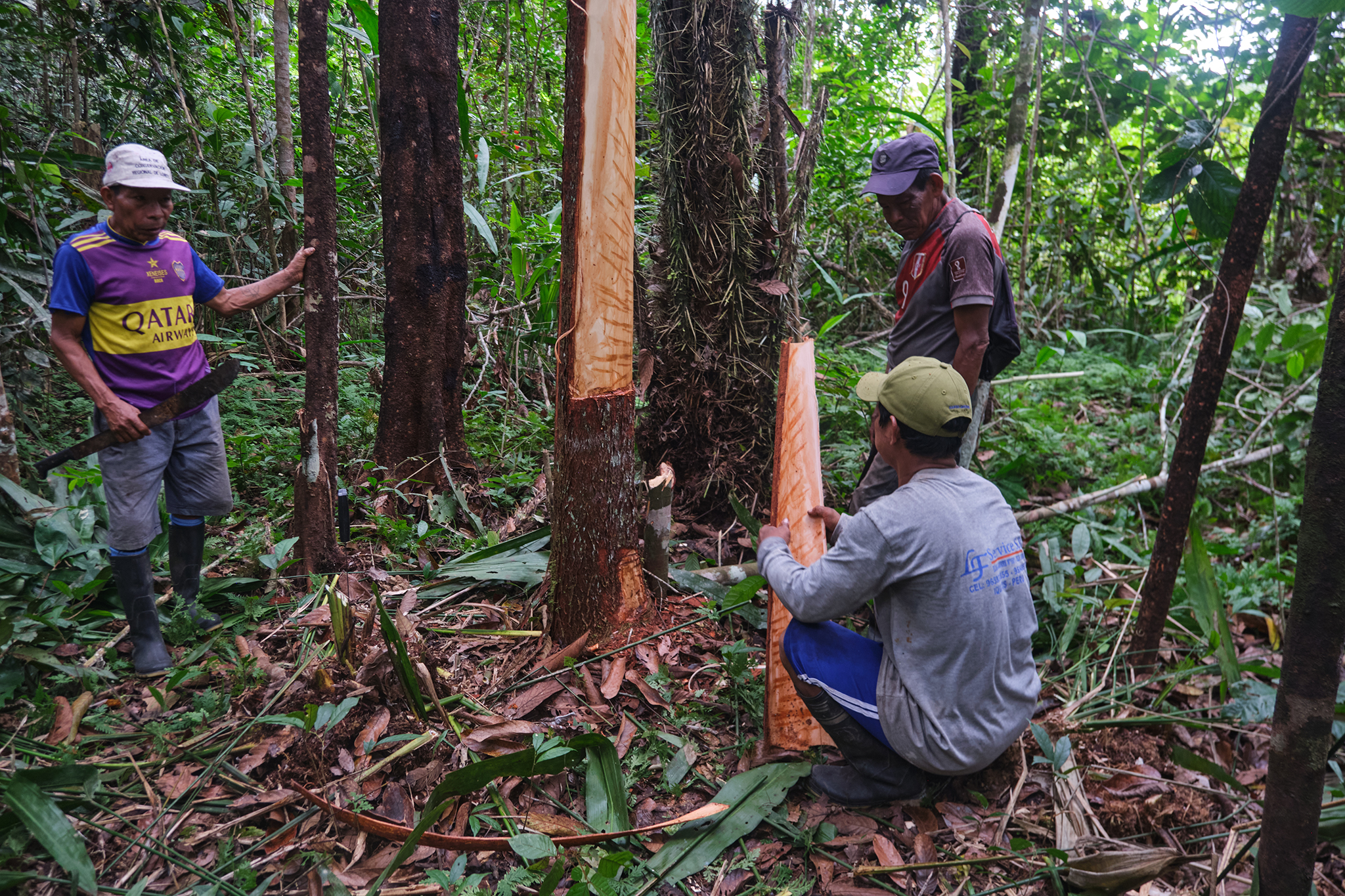
One morning, we were taken into the forest to harvest the yanchama fibre with Alexander, Euleterio, and Roger, and were led to a slender tree. They had felled the bark off of one of them, whose rich brown color identified it as the “yanchama macho”, and chopped down a 1 m log from another, which was of a paler wood. We brought the wood back to the maloca to begin the mask-making process.
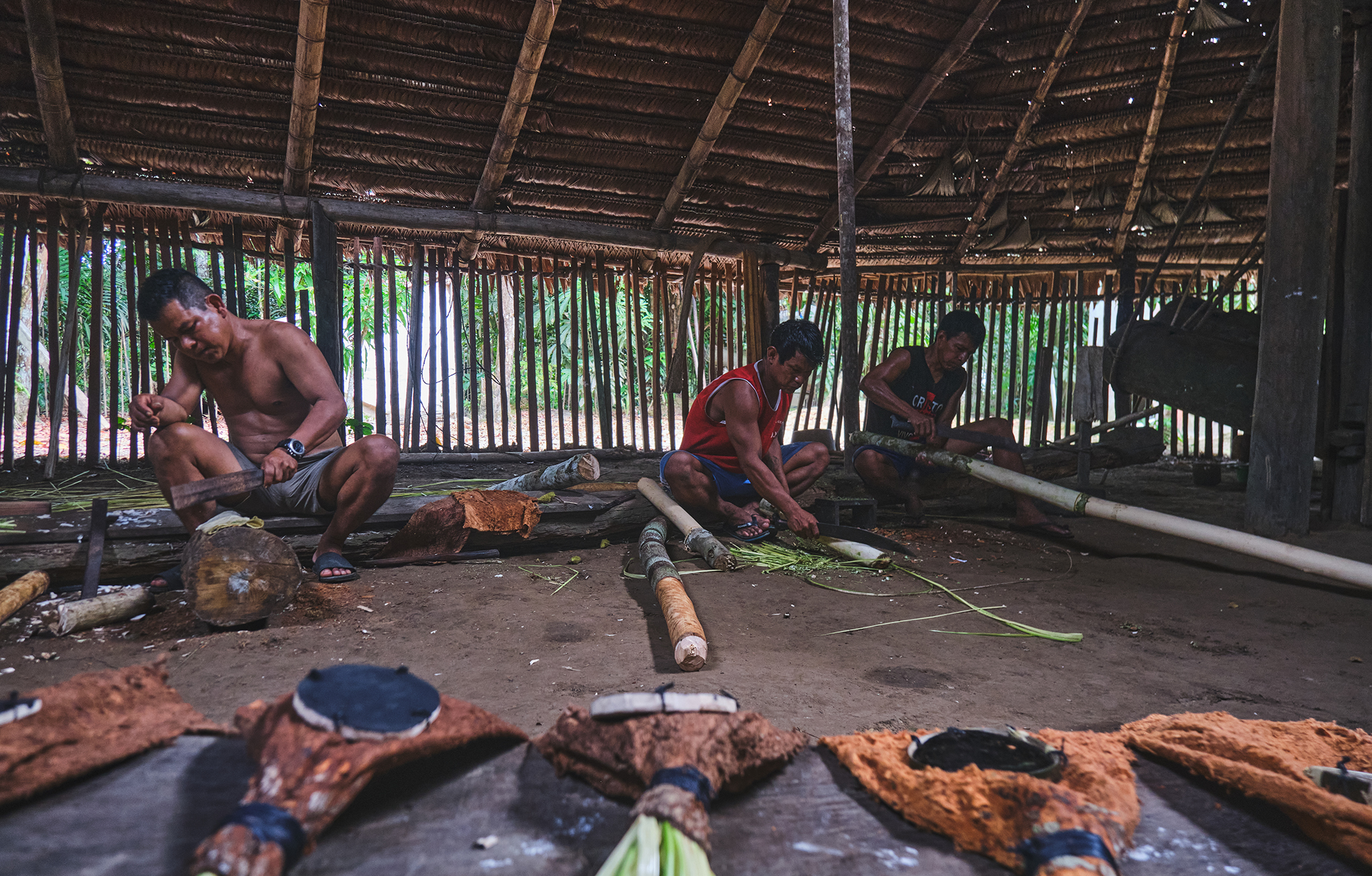
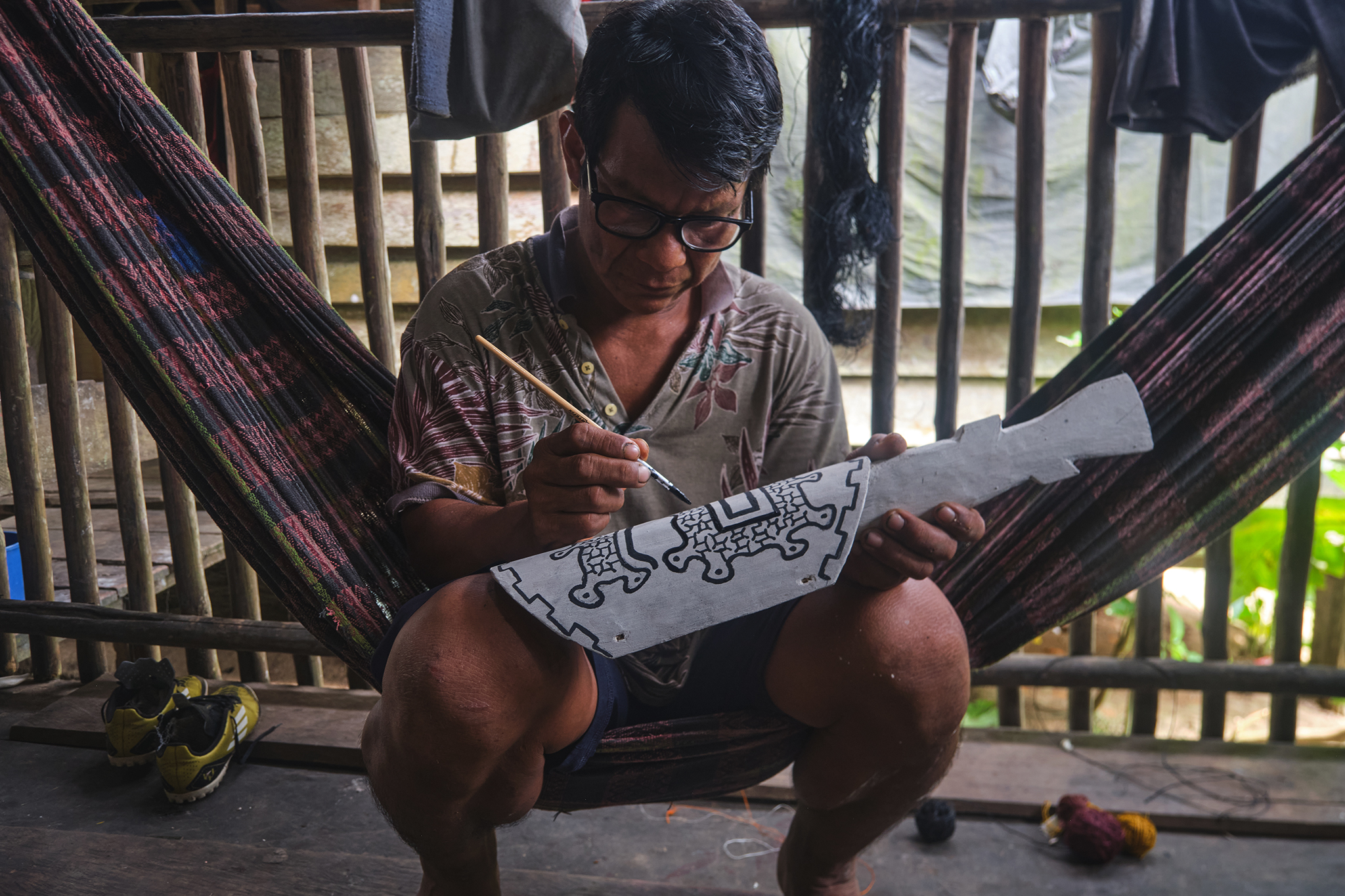
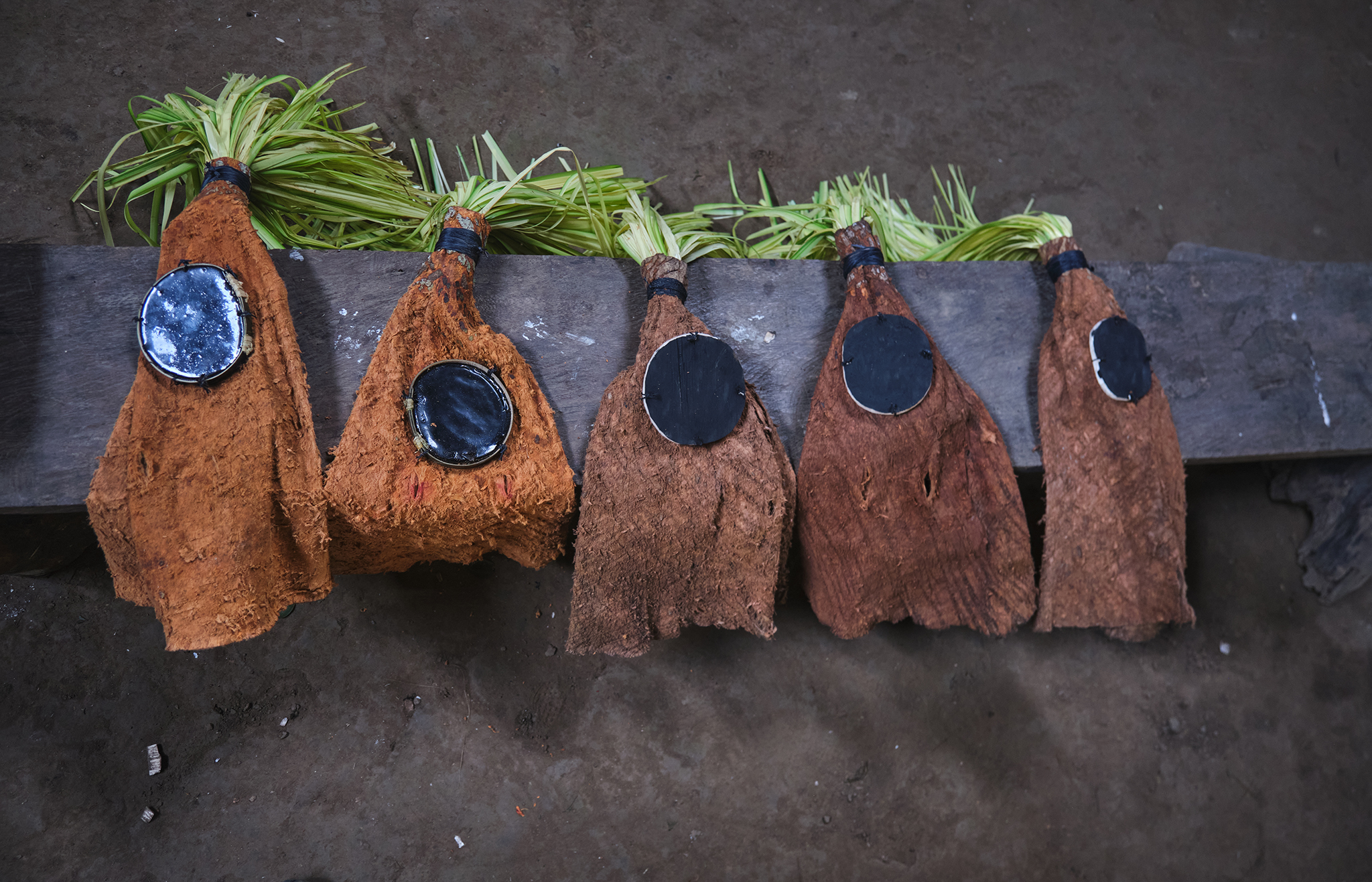
Alexander had the help of Victor, Paco, Beto, and Wellington, who each shared their knowledge around the various processes and the celebrations to which they were used. At one point, the maloca was filled with a rhythmic sea of percussion as they all beat the surface of the yanchama to break open its fibres, allowing it to separate from its trunk to pull it off like a sleeve. This tubular sleeve was then pounded and stretched even more to the size of one’s head, in what would become the mask. Other adornments would then get made and inserted at the top of the mask’s crown, such as an animal or insect carved of topa wood, or black-latex-filled discs that would get attached to the head. We were shown an assortment of different masks. As well as special crowns called “‘Kiztyuwa’ carved from wood and painted in the traditional Bora colors of white with black designs.
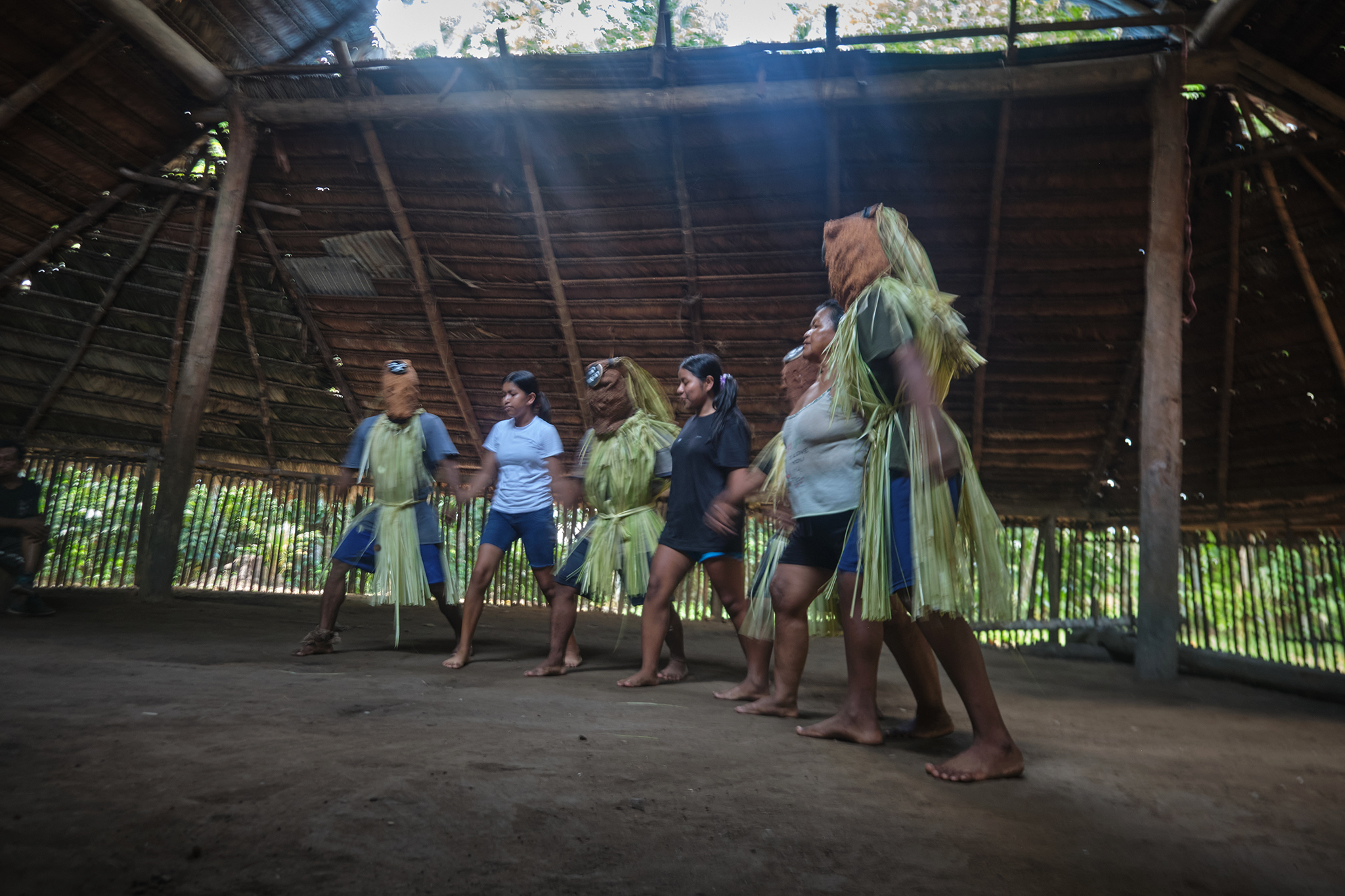
On the last day, they all demonstrated a few songs and dances with the masks and traditional costume as the afternoon light was fading, their voices echoed and the whipping sound of the palm fronds of the aguaje tree would resound a memorial space in the hearts of a people whose ancestral memory still connects them to the song, the dance, and the creation of a life that must continue forward for the next generations. And there we all were, experiencing this together.
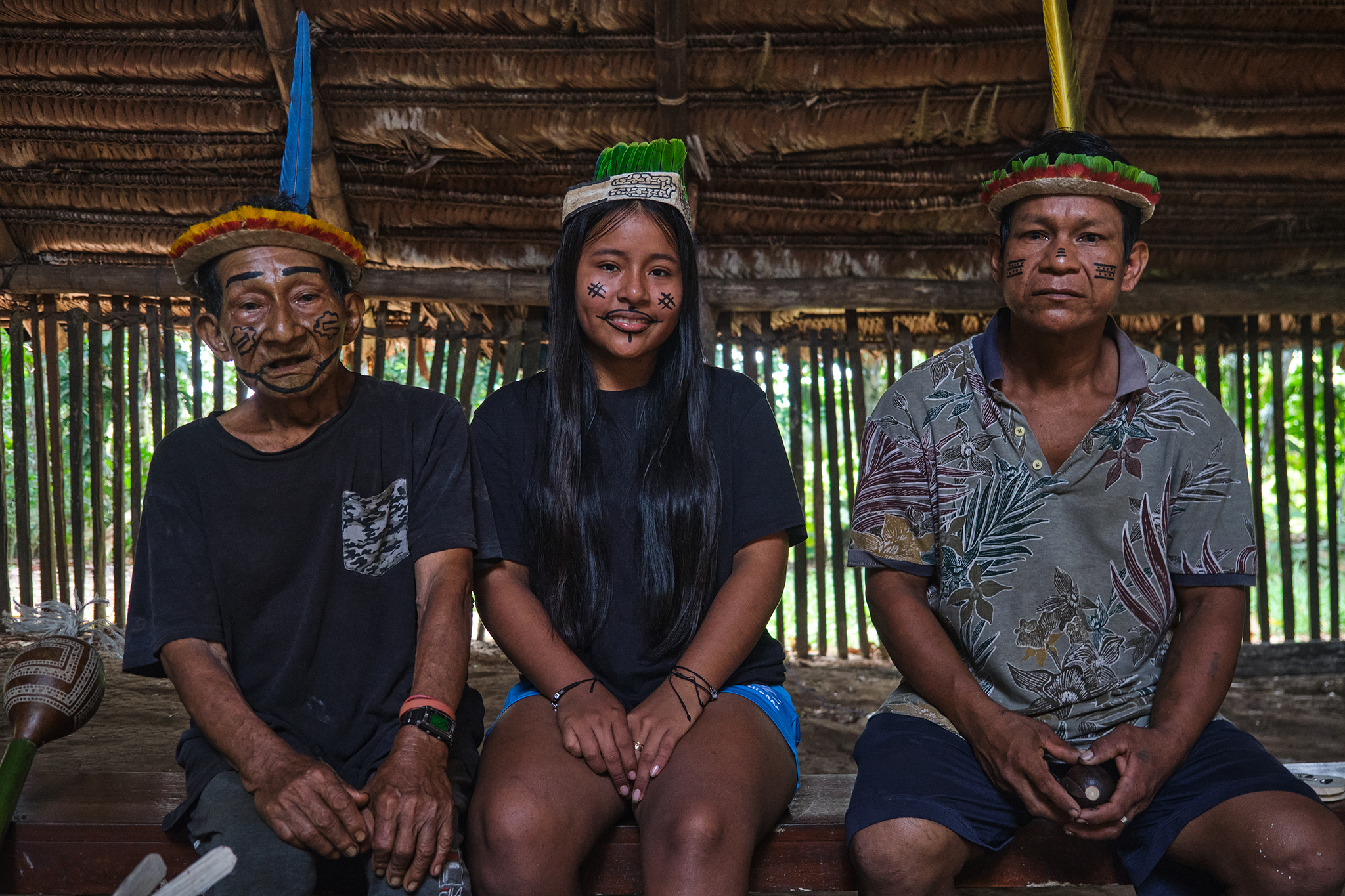
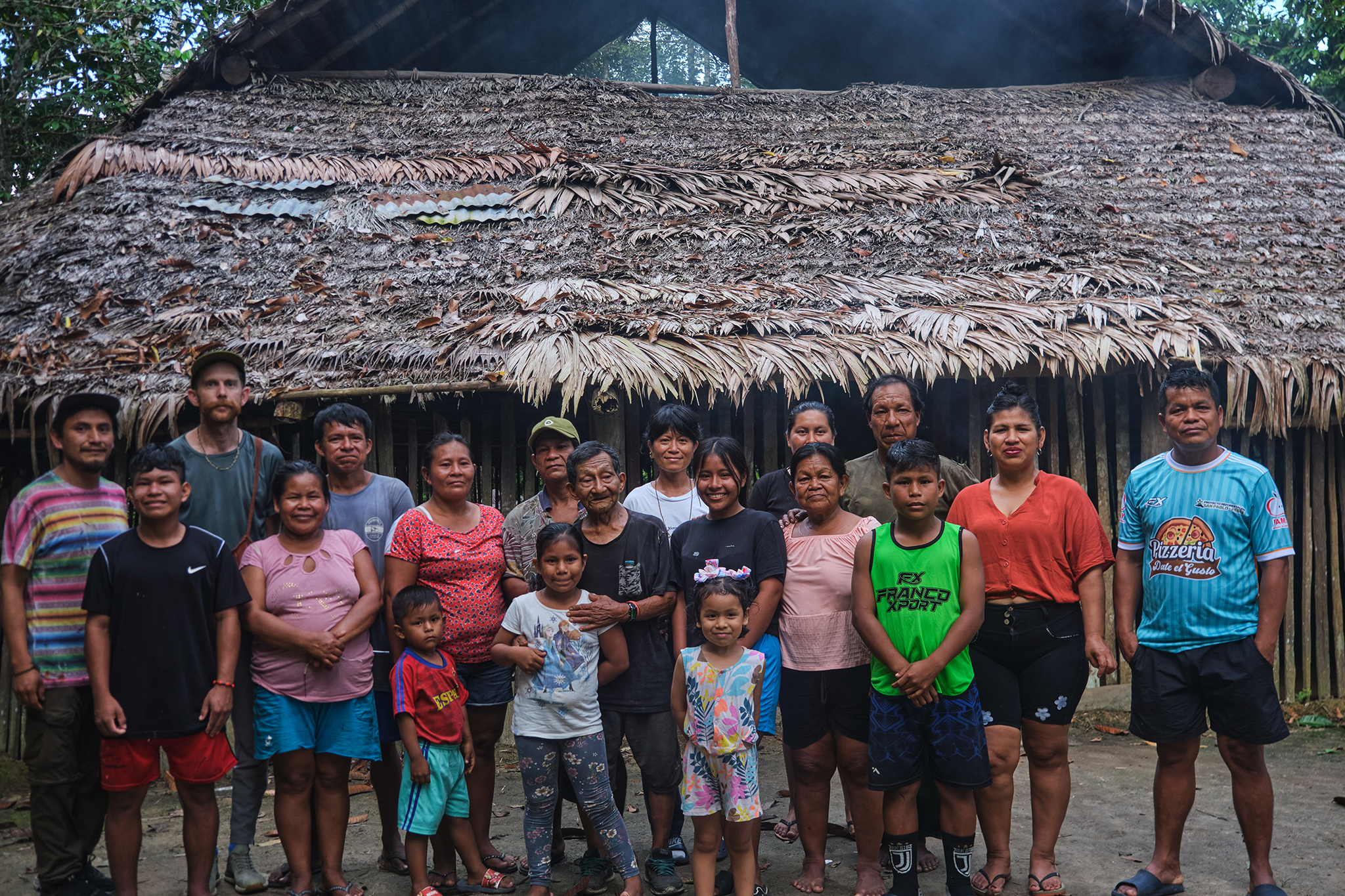
We would like to express our deepest gratitude to Alexander, Victor, Gladys, Paco, Beto, Wellington, and the entire Churay family, who opened their homes and hearts to us, for sharing their memories, their hopes, and their gifts that we all hope will continue to inspire and represent their cultural heritage in and outside of their community. Thanks to all the families and individuals of Pucaurquillo with whom we had the opportunity to get to know on this initial visit, which we know is one of many more to come.
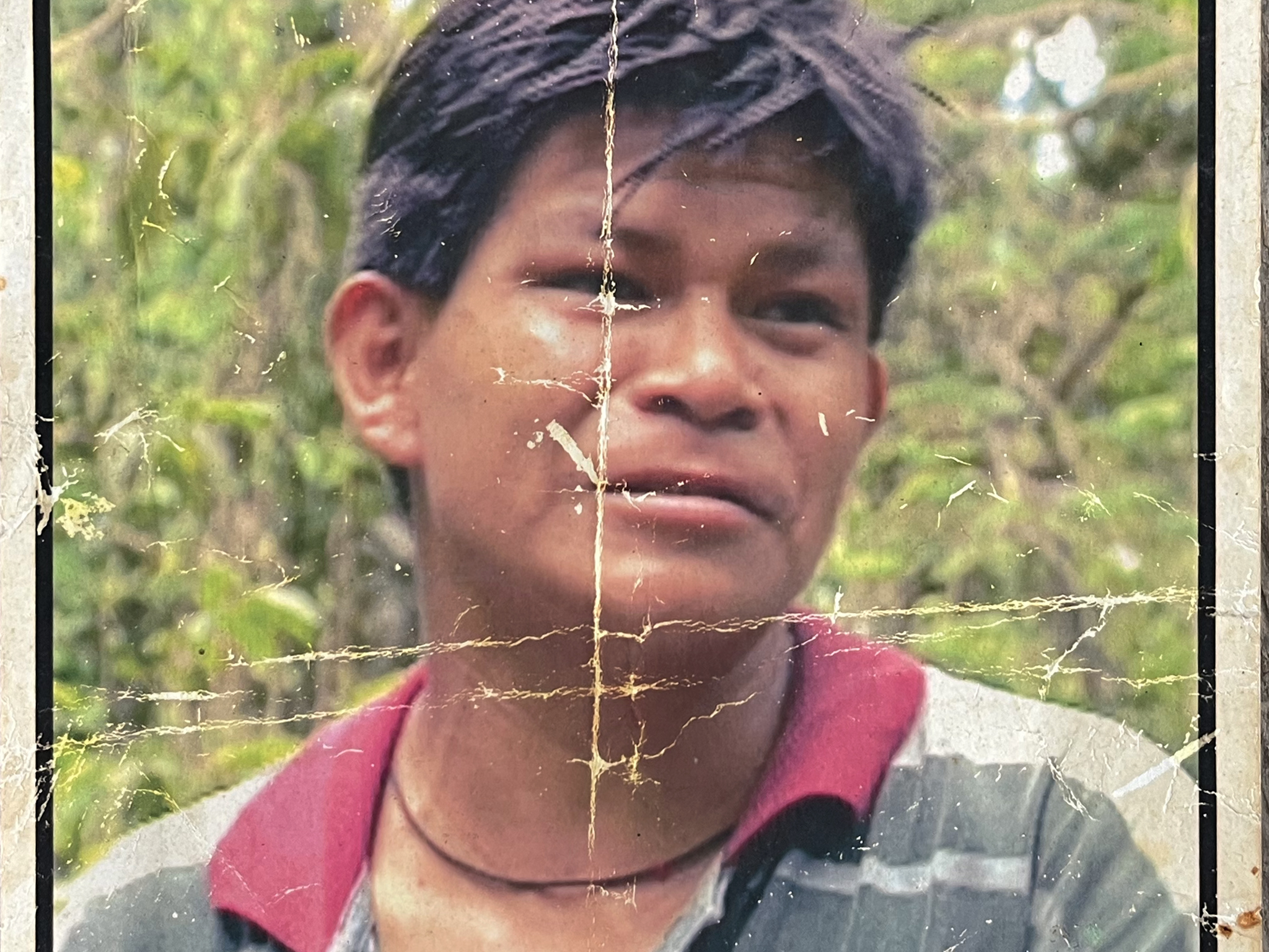
We would like to dedicate this work to the late Victory Churay Roque. May the power of your Bora spirit live on through the legacy of your art and the voice of your family that is here today, and for their families and future generations to come.
"Thanks to the myths, we know that the act of coca-chewing saved our ancestors from death, and that Pííné Ánumé Niimúhe was created from the tobacco stalk, formed from the saliva or tobacco of knowledge, and inherited the wisdom or intelligence of his father, the Creator." (Águila and Mibeco, 2004, p.103)


