

From roots to seeds
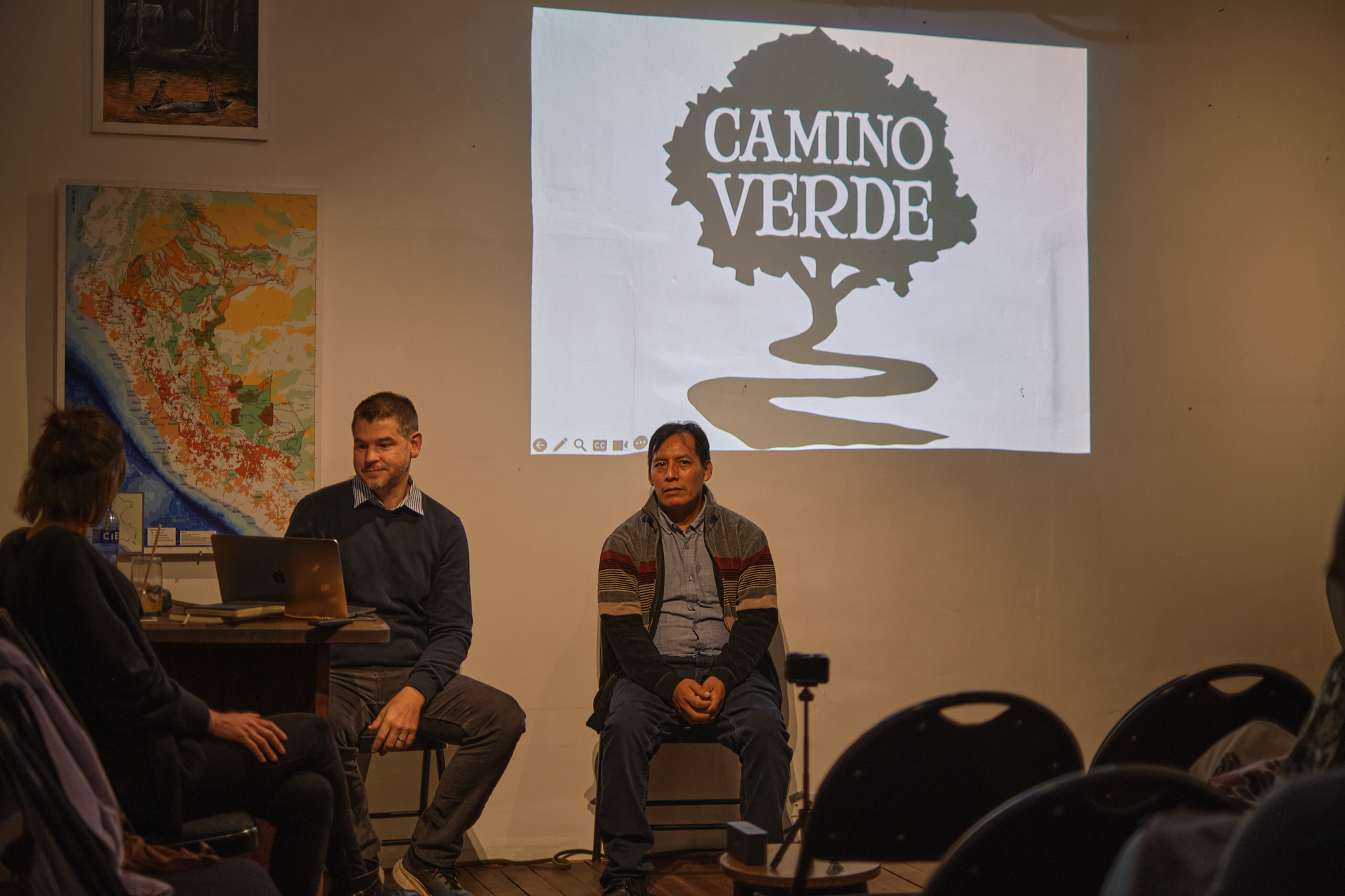
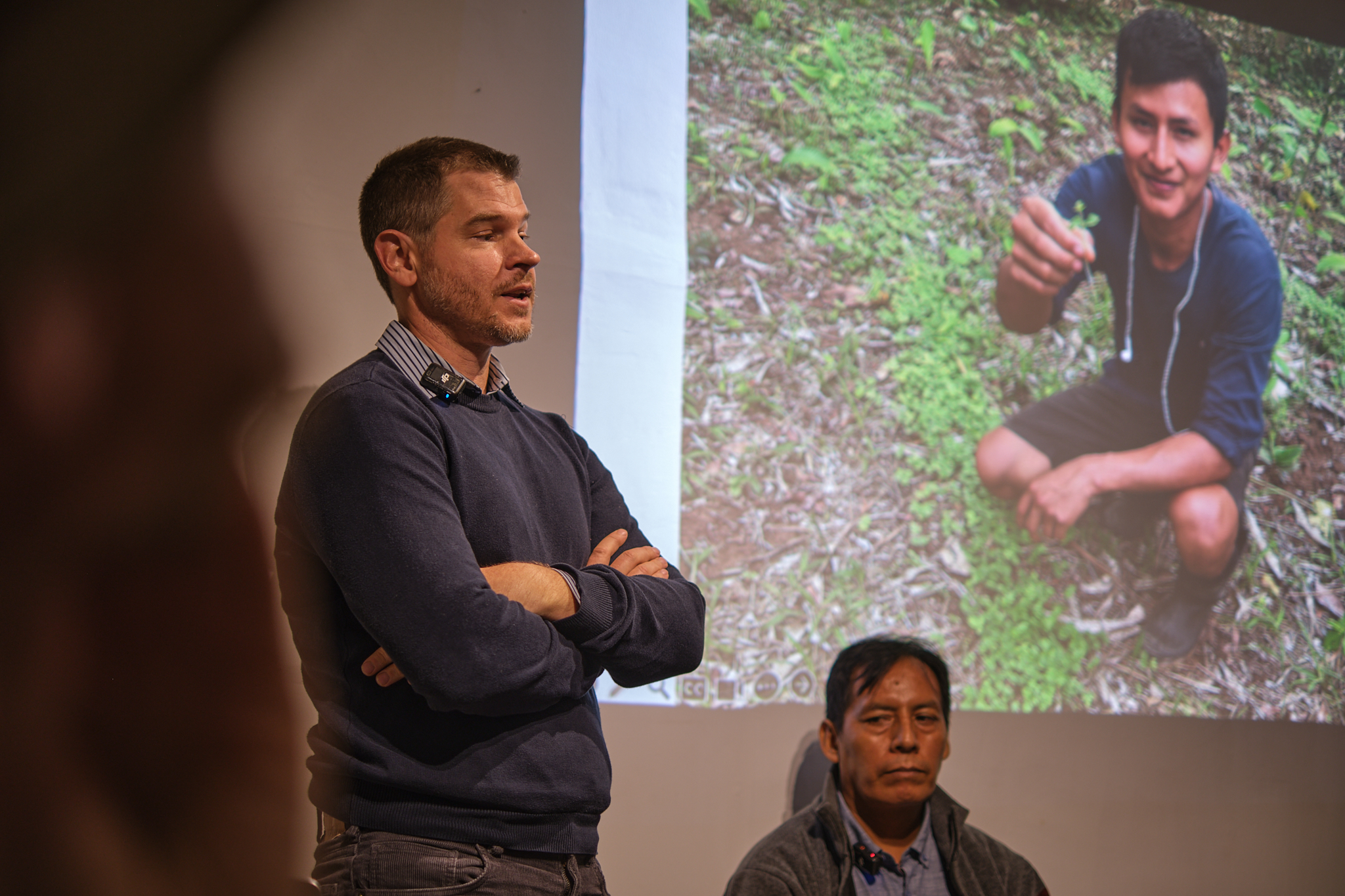
On the 12th of December, 2025, we hosted the founder of Camino Verde, Robin Van Loon, and Percy Leva, reforestation coordinator, who imparted their experiences of regenerating forests and livelihoods in the Peruvian Amazon and its interwovenness with the ancestral knowledge of forest peoples. In Madre de Dios and Loreto, Camino Verde promotes the planting of hundreds of native species and the restoration of degraded ecosystems, while boosting local economies that flourish alongside the forest.
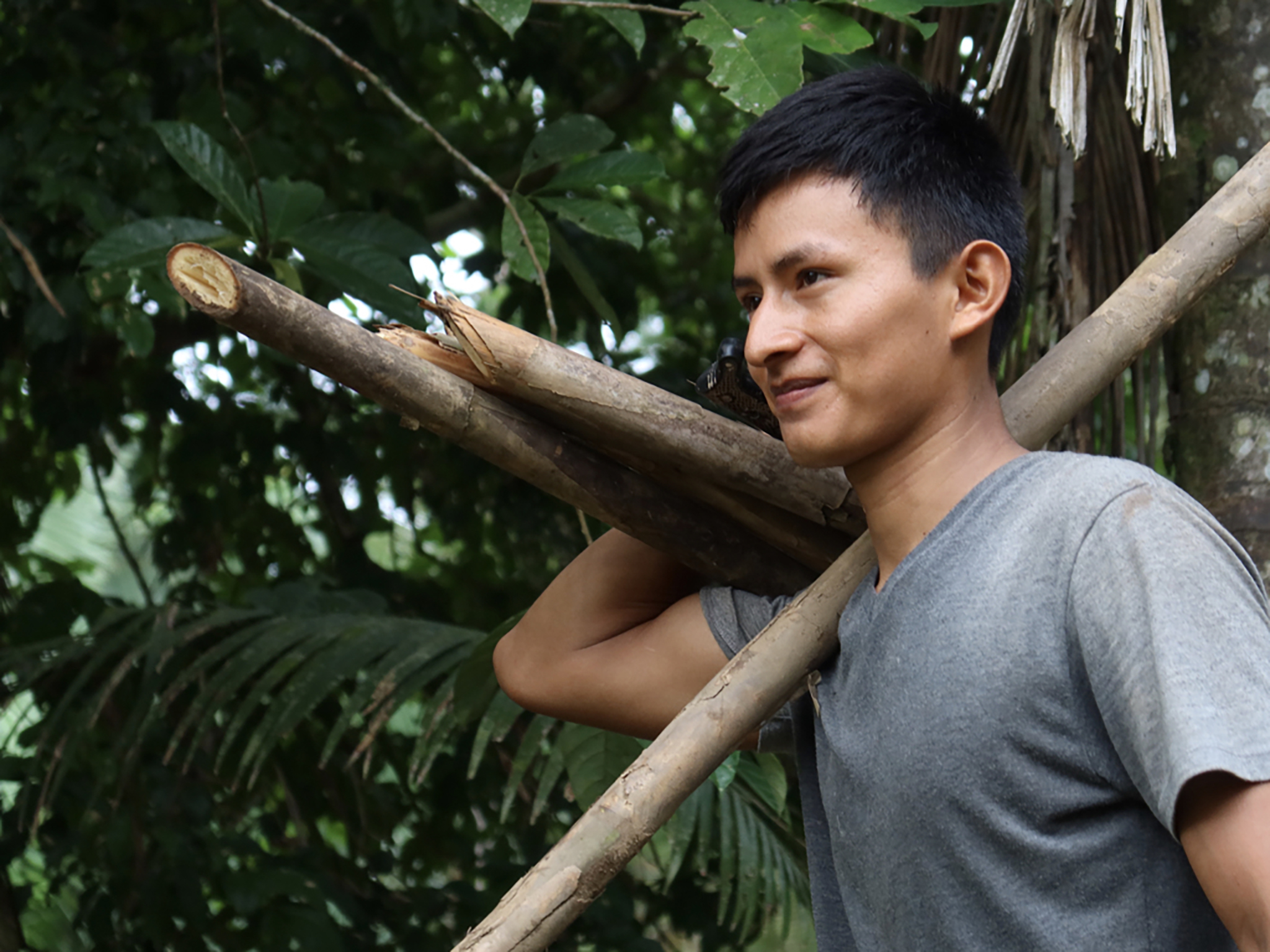
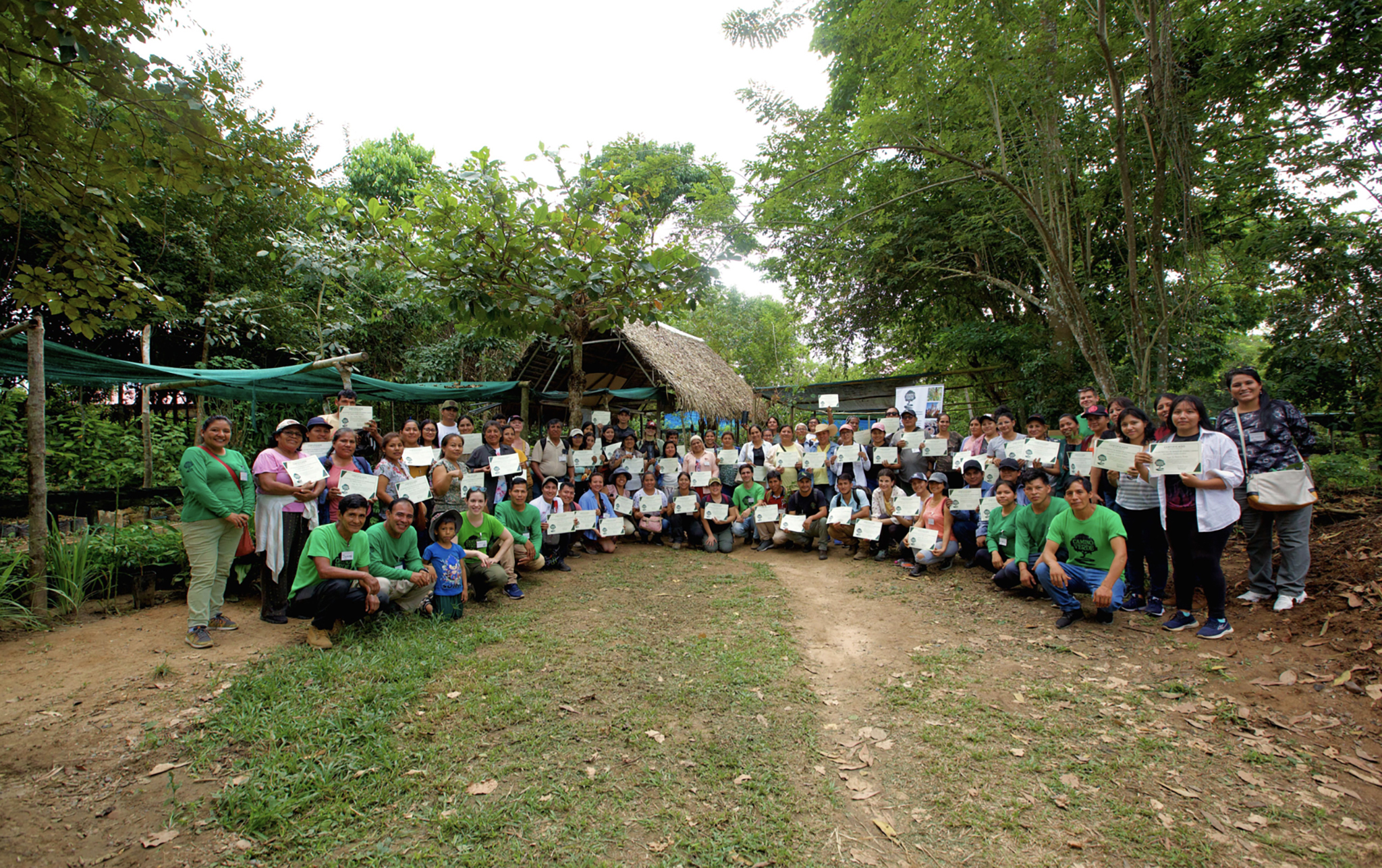
Robin and Percy shared stories about individuals who have both been an inspiration and contributors to Camino Verde's agroforestry programs. For Robin, regeneration in the Amazon begins with one person, such as Manuel; a Shipibo youth who left his community at the age of 14 and has become an example of Amazonian regeneration with the values and abilities he's learned at Camino Verde. "In order to restore forest landscapes, we must strengthen forest communities," remarks Robin. Today, Camino Verde's impact has grown to over a thousand individuals across 12 communities.
.jpg)
Camino Verde has established four centers. Camino Verde Baltimori is its first reforestation center and Living Seed Bank located in Tambopata, Madre de Dios, where the first trees were planted in 2006. Since 2013, they have been planting diverse agroforestry systems with Indigenous communities in the region of Loreto. In 2016, Camino Verde La Joya began its satellite reforestation center, which also serves as their main tree nursery near Puerto Maldonado in the Tambopata province, producing 100 species of native trees each year. And in the heart of the city of Puerto Maldonado, where they have their headquarters and registered office, it also serves as a point of sale for Camino Verde products and their production workshop.
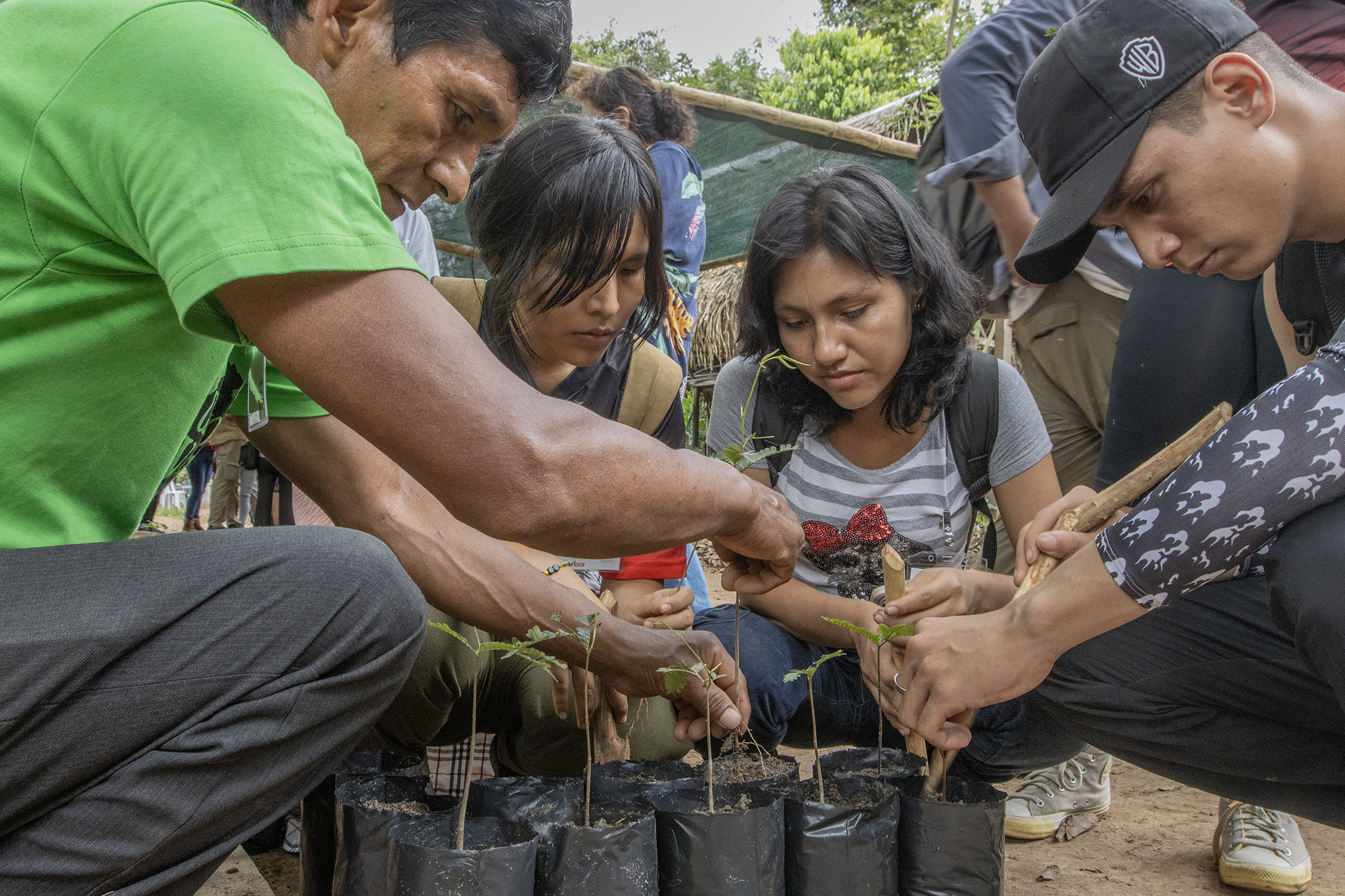
Their programs are organized into four pillars: Living Seed Bank Biodiversity, Non-Timber Forest Products Production, Rosewood Growers Livelihoods, and Mast Trees Outreach. With over 400 native tree species planted to date, Camino Verde's reforestation centers and tree nurseries form a unique Living Seed Bank of Amazonian biodiversity whose database currently includes 725 plant species cultivated at their centers.
.jpg)
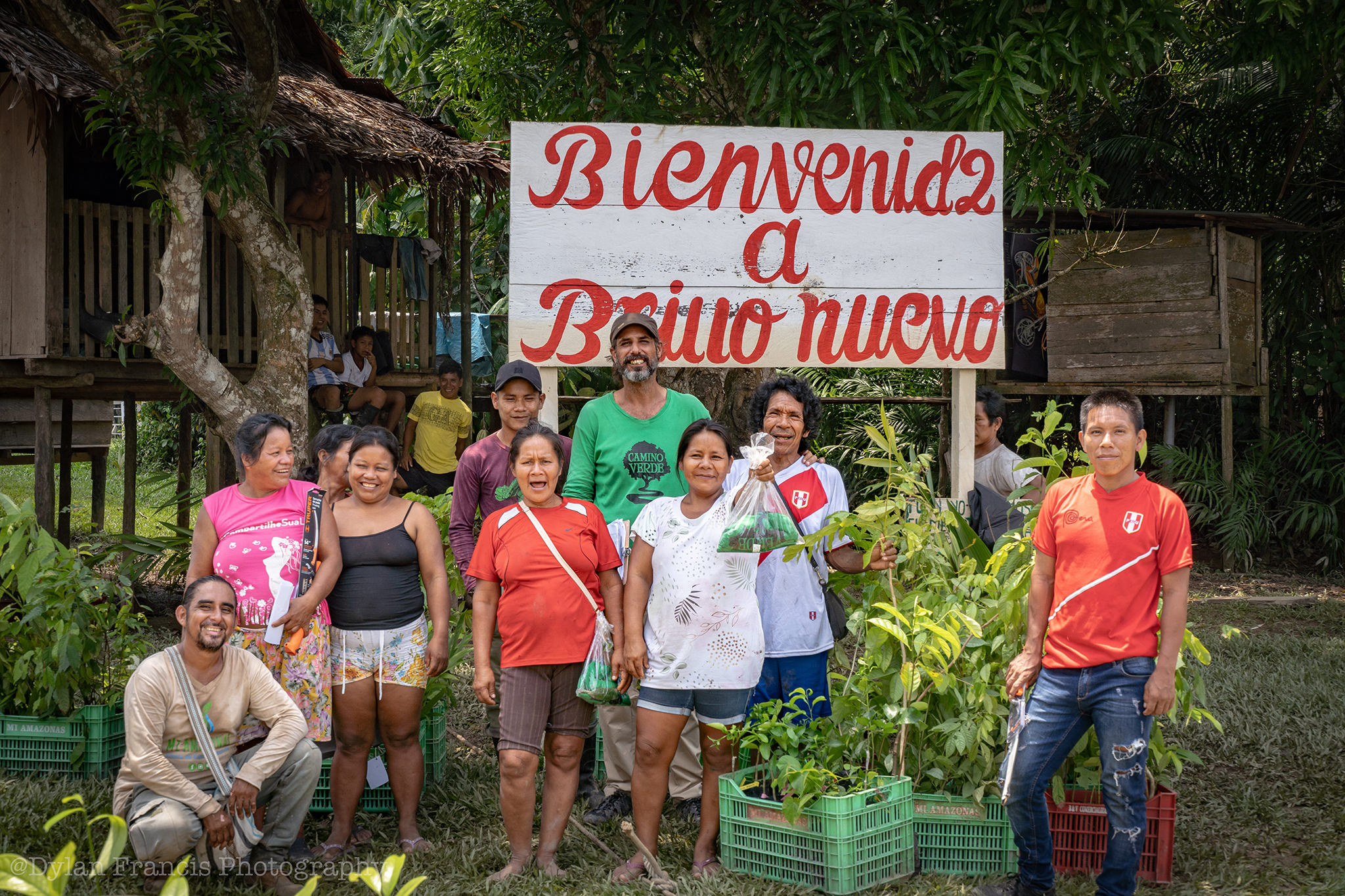
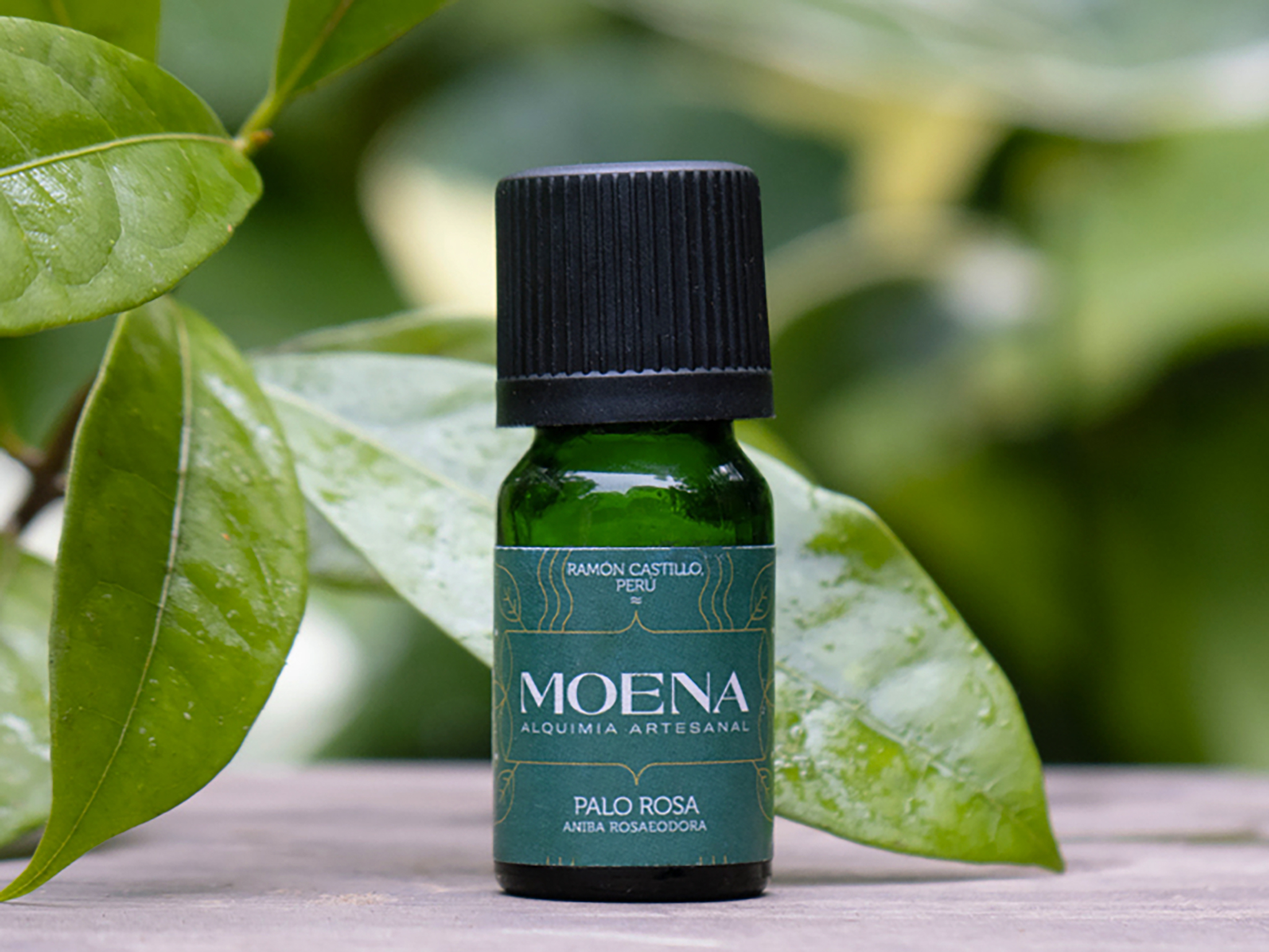
In the region of Loreto, Camino Verde provides incentives in communities along the Ampiyacu with the Bora of Pucaurquillo and Brillo Nuevo for the reforestation of the palo rosa tree, a historically exploited species known for its value as a perfume oil for the infamous Chanel Nº5, making it is possible to obtain excellent-quality palo rosa oil through the non-destructive harvesting of side branches, thereby supporting the tree’s growth rather than removing them entirely. Today, they plant the palo rosa in various polycultural agroforestry systems with more than 150 Amazonian families, including some of the very same Indigenous groups historically affected by the legacy of palo rosa.
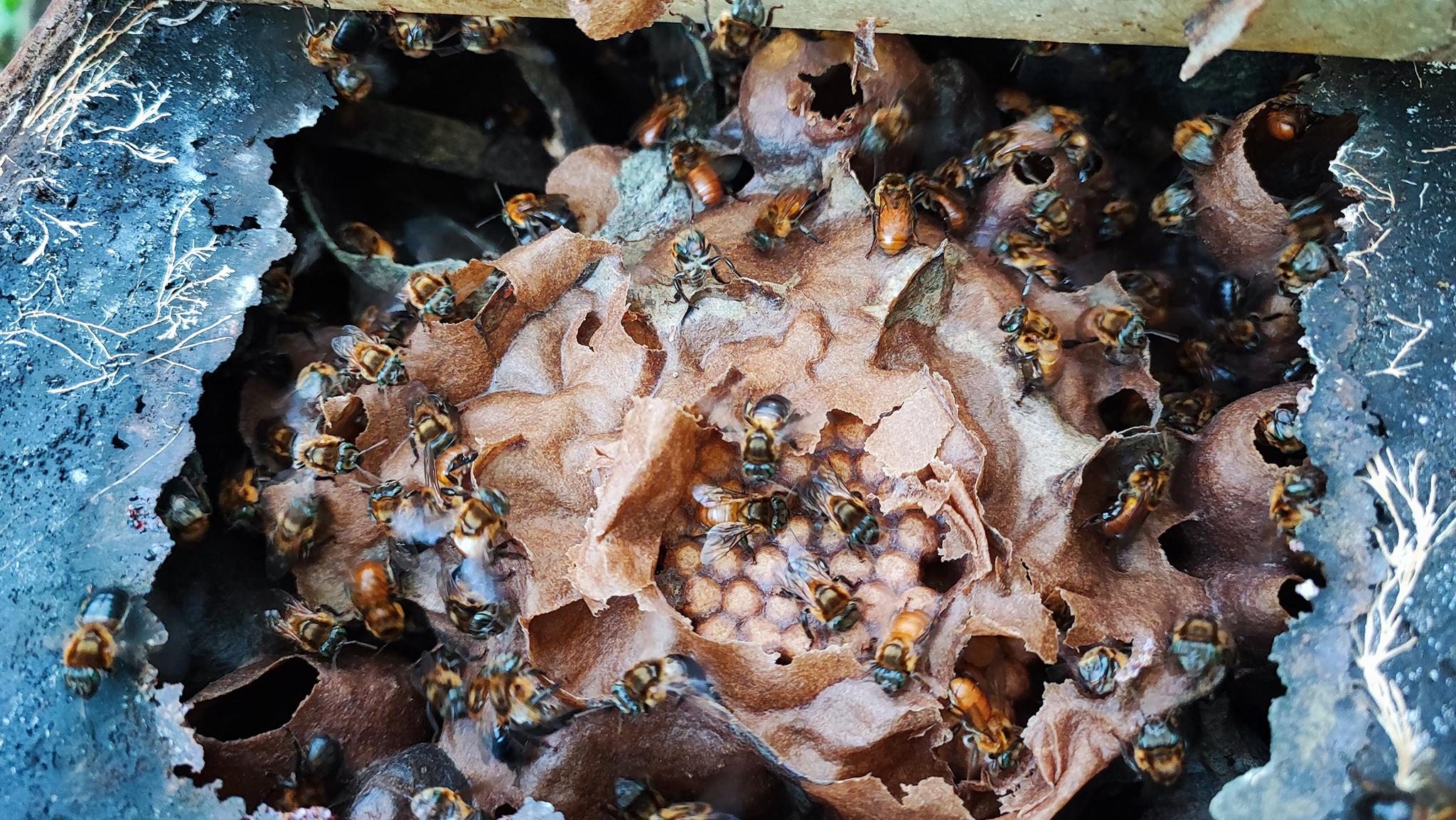
Programs like the 'Native Bee Meliponiculture' focus on the rearing and breeding of native stingless bees, drawing on ancestral knowledge with the aim to train and create a regenerative economy for the Indigenous communities who work them such as those in the Ampiyacu basin and parts of Loreto — to avoid destructive extractive practices. The program protects local biodiversity, documents the current traditional medicinal use of honey by the Kukama-Kukamiria, Shawi, Kichwa, Maijuna, and mestizo peoples.
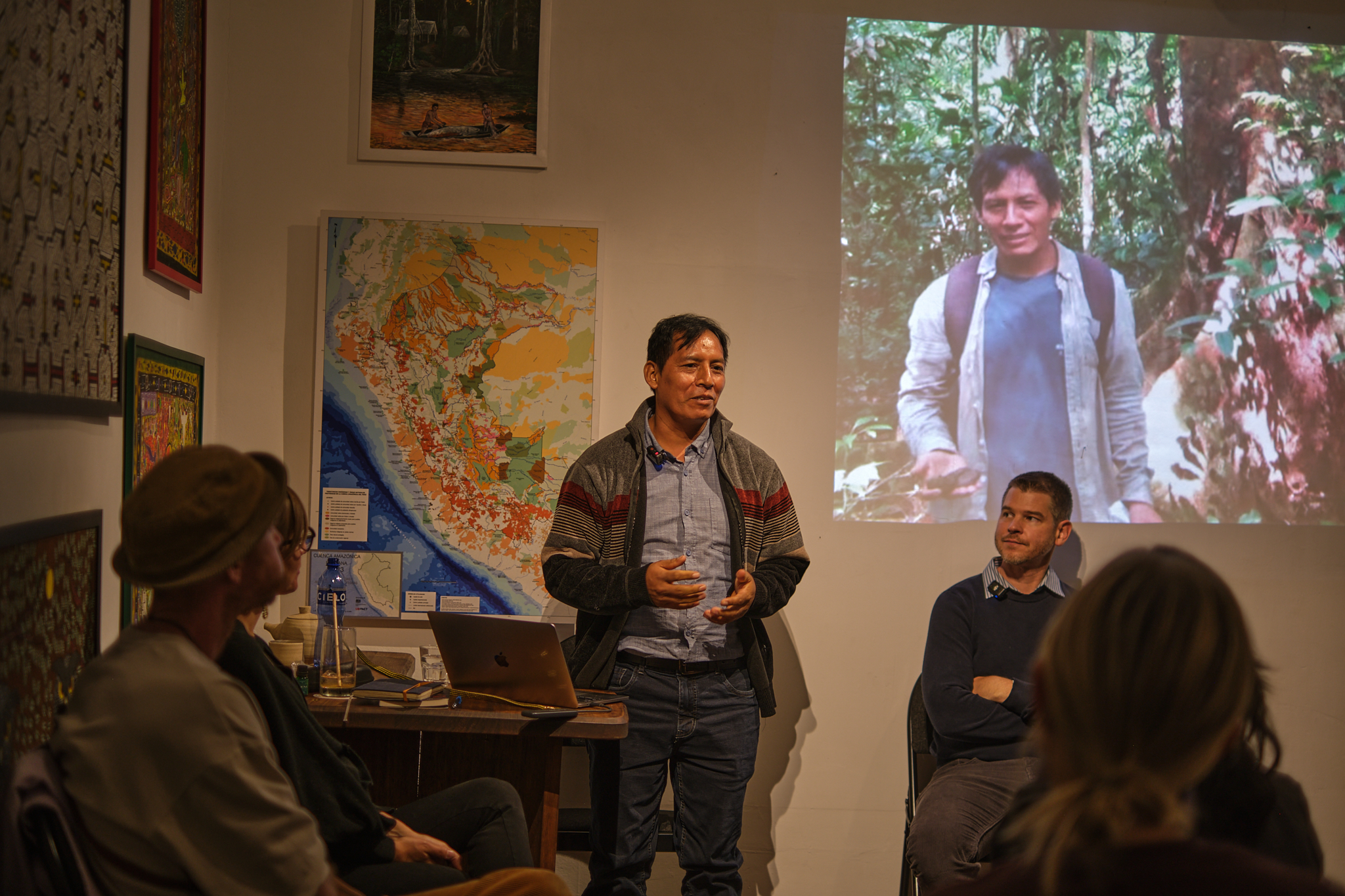
Both Robin and Percy have lived half their lives in the forests of the Tambopata region, making their work a rather personal matter. To pay his way through school, Percy worked in mining and logging. It was there that he witnessed firsthand the destructive nature of extractive industries, opening his eyes to seek a different path, and that's where his education with Camino Verde began.
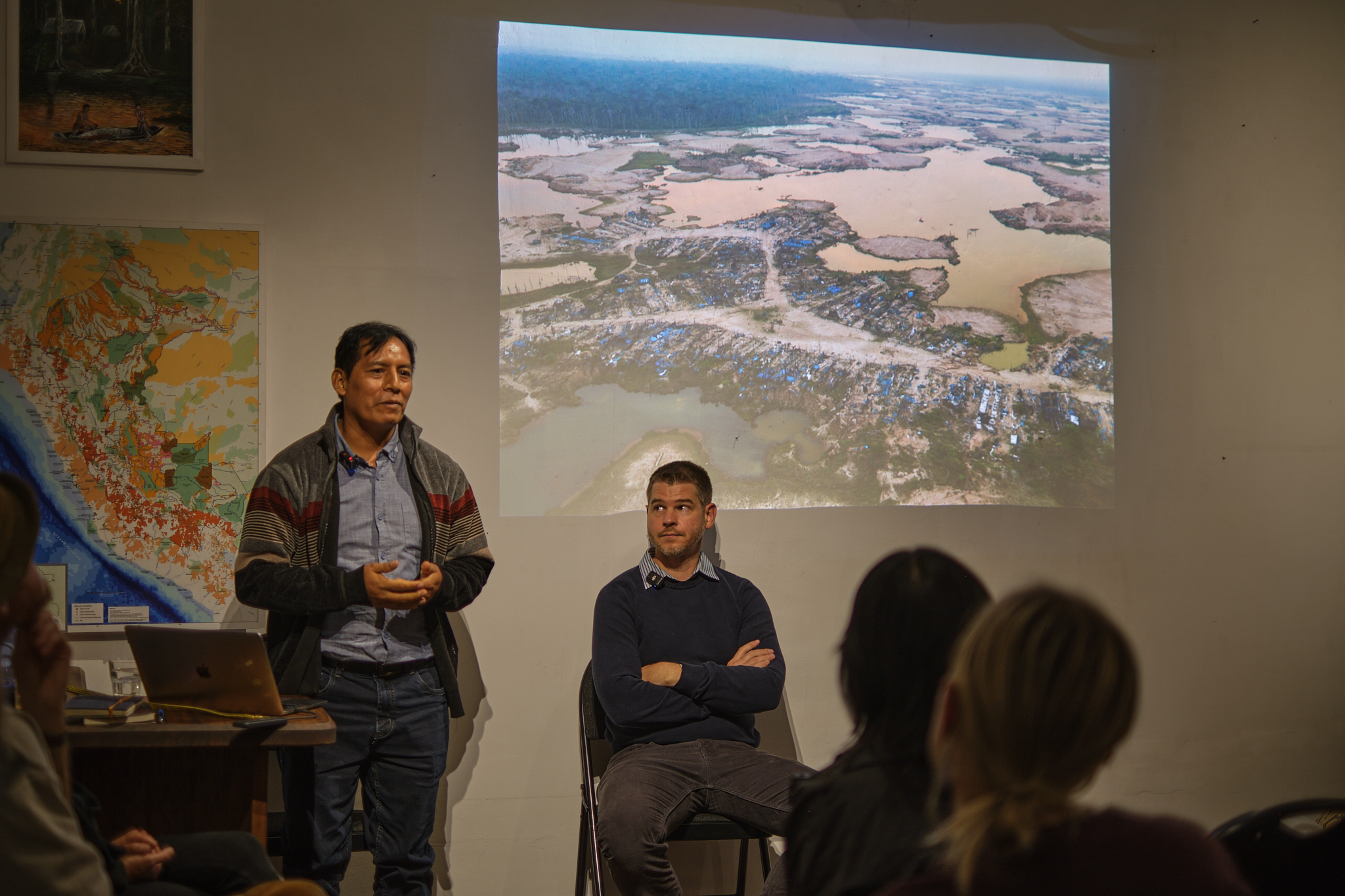
Percy remarks, "the forests are not just trees; behind the trees are stories, living memories, knowledge from the communities who have lived there, knowledge passed down from their ancestors."
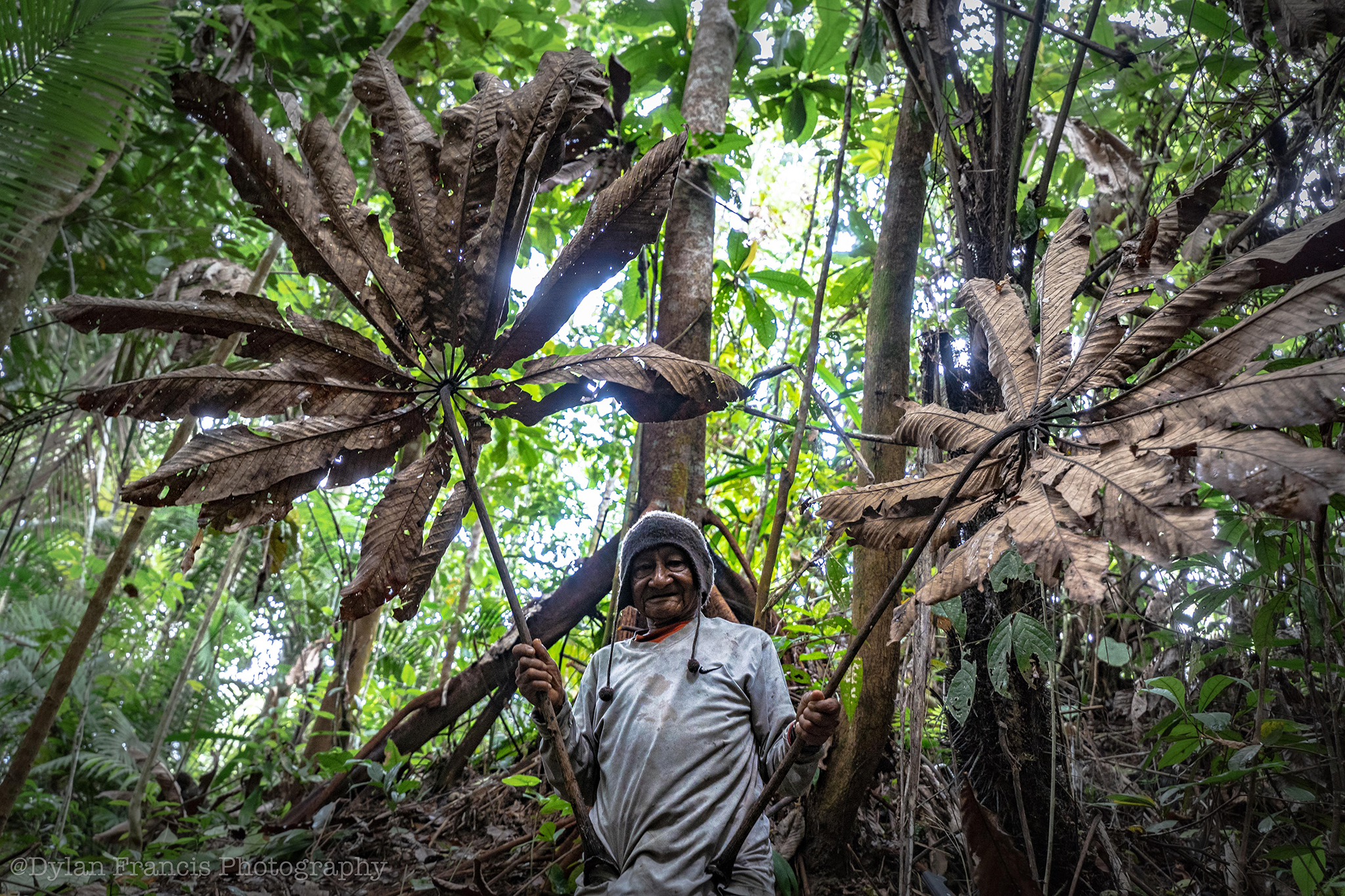
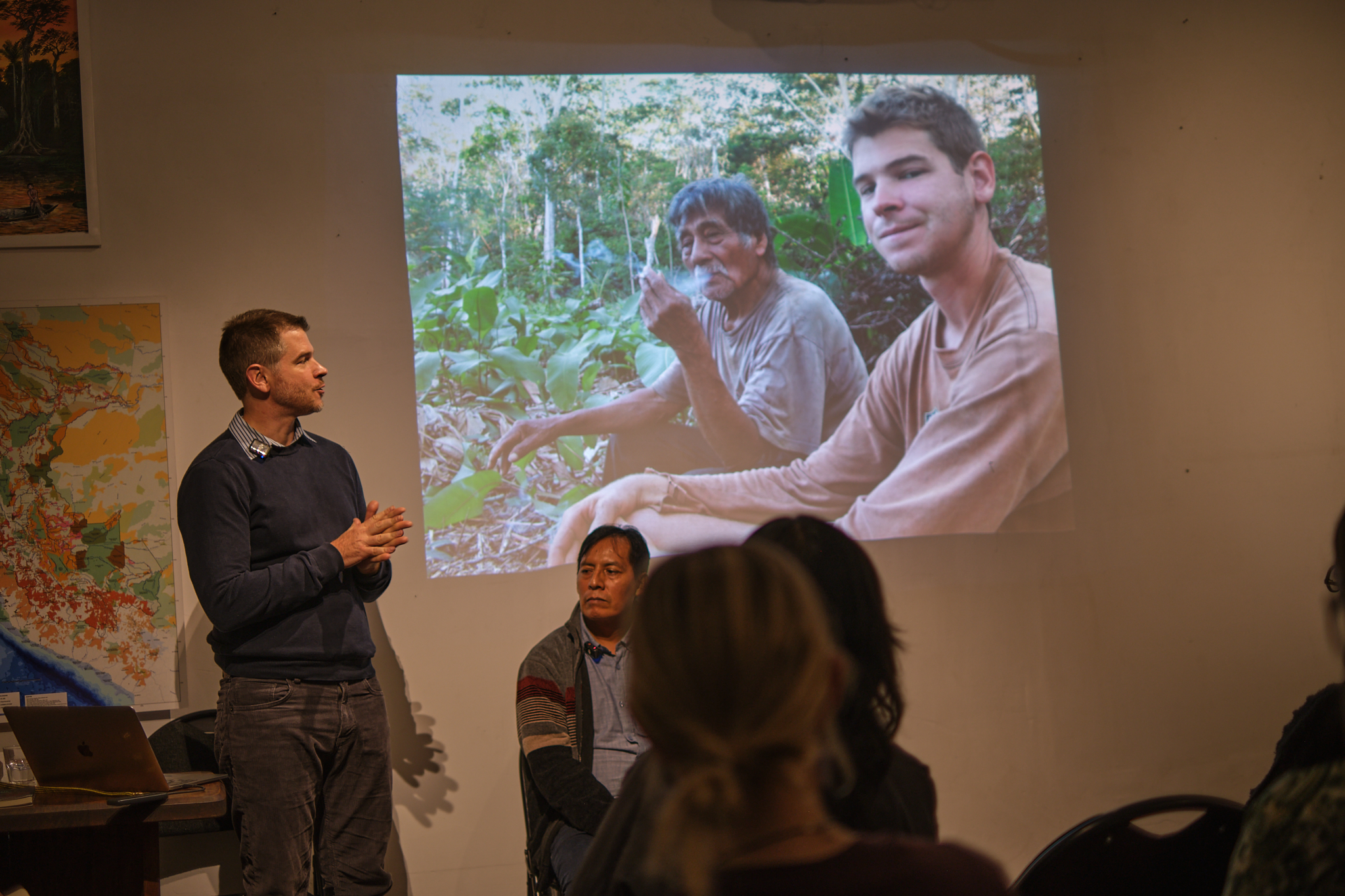
Robin, at the age of 18, made his first visit to Peru in search of alternative agricultural practices, where he got to meet healer and master herbalist Don Ignacio Duri through a friend's recommendation. This meeting would later play an essential part in his Amazonian education, where he got the chance to live and study under the mentorship of Don Ignacio between 2004 and 2005, who then later baptized Robin with the name for his organization, "Camino Verde."
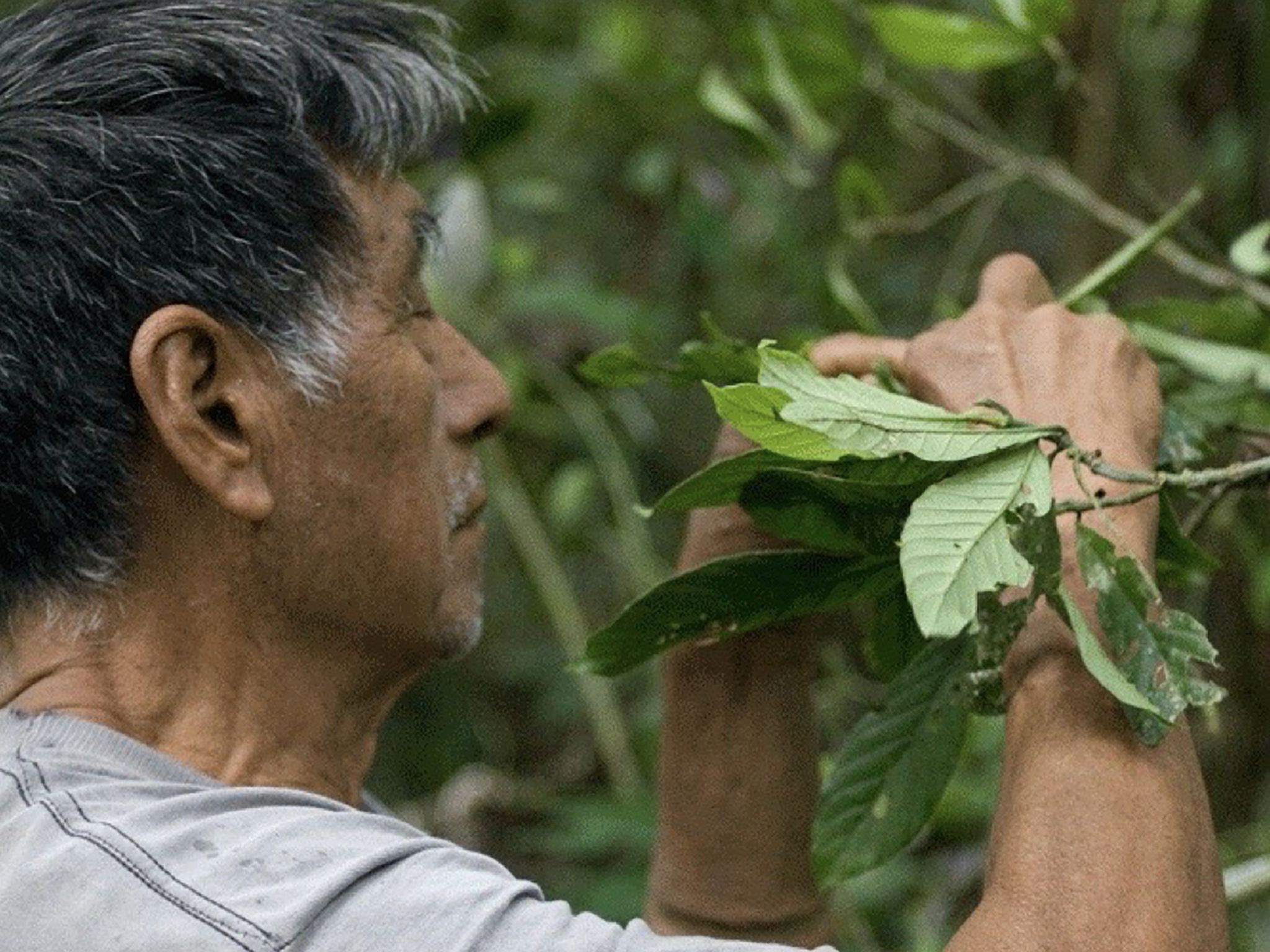
“Every time you go out into the forest, you have to see something new that you haven’t seen before, because if you don’t, it simply means you aren’t paying attention.”
~Don Ignacio Duri
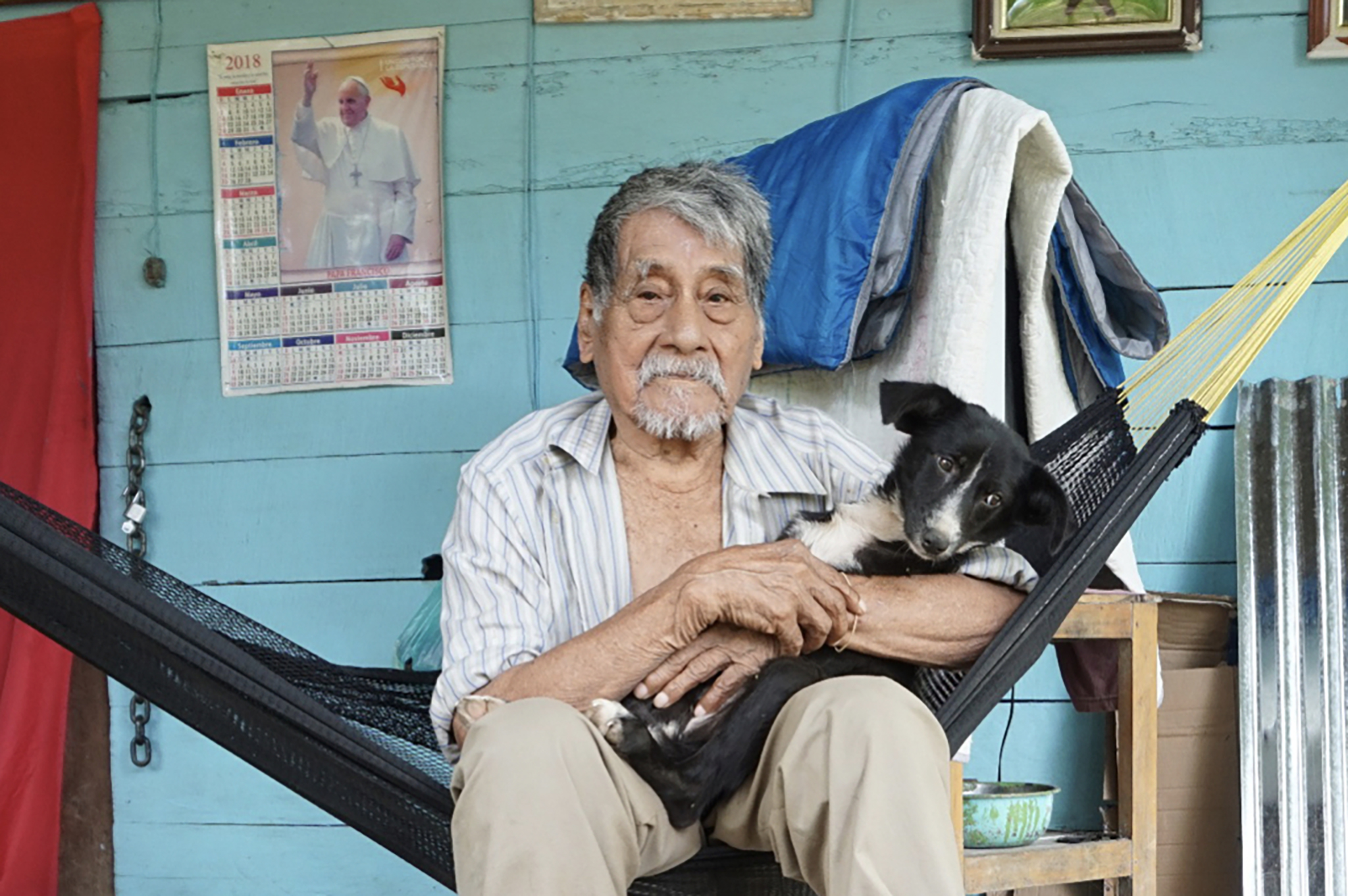
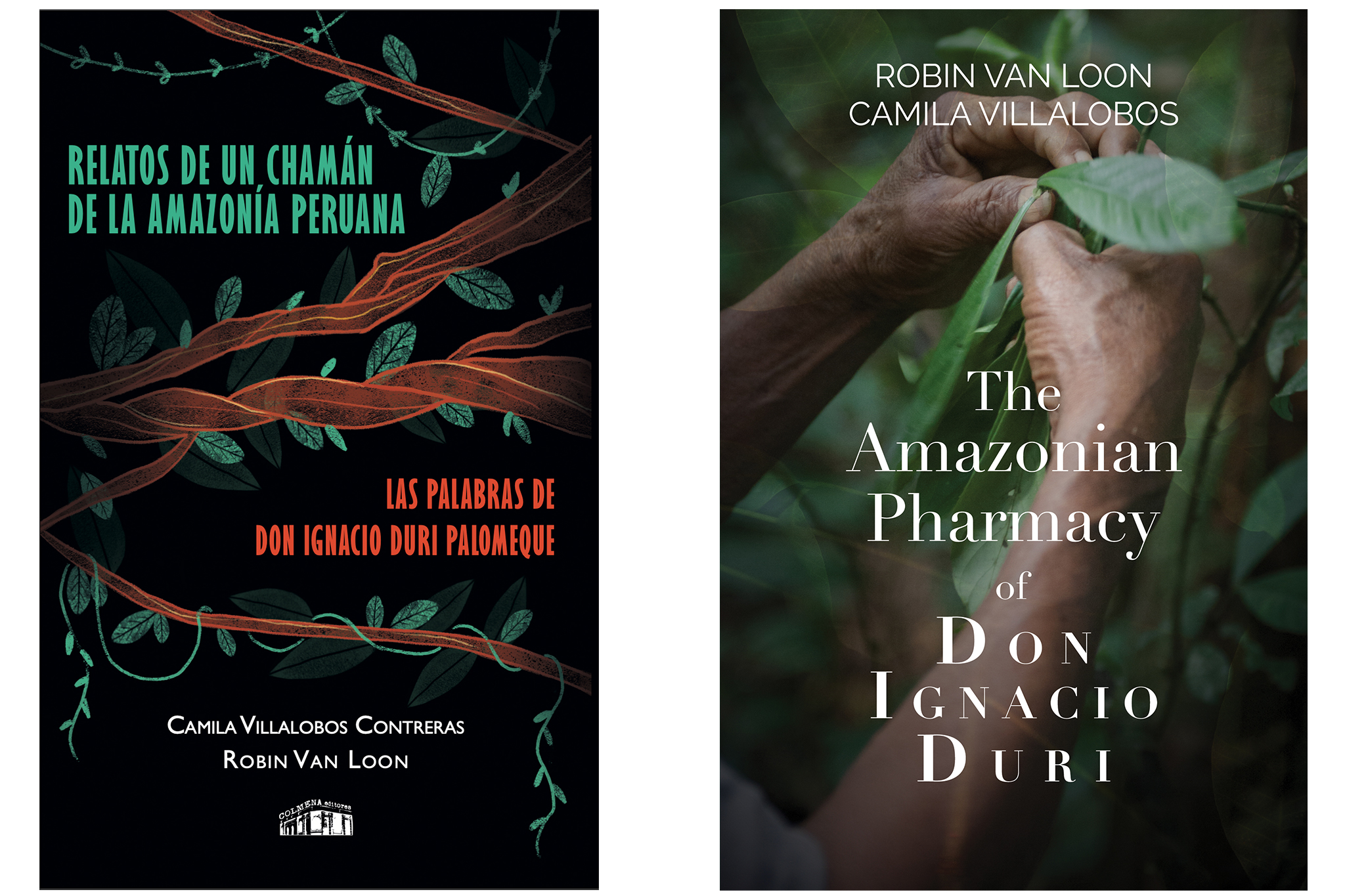
Drawing from the book “Tales of a Shaman from the Peruvian Amazon: In the Words of Don Ignacio Duri Palomeque (The Amazonian Pharmacy)”, we are able to trace the history of Camino Verde and the dream that Don Ignacio had to spread his knowledge and the story of Amazonian plants. This book was released in the last days of August 2019, a few days after his 89th birthday in Puerto Maldonado. In 2020, at the age of 89, Don Ignacio passed away, less than a year after Robin published his book.
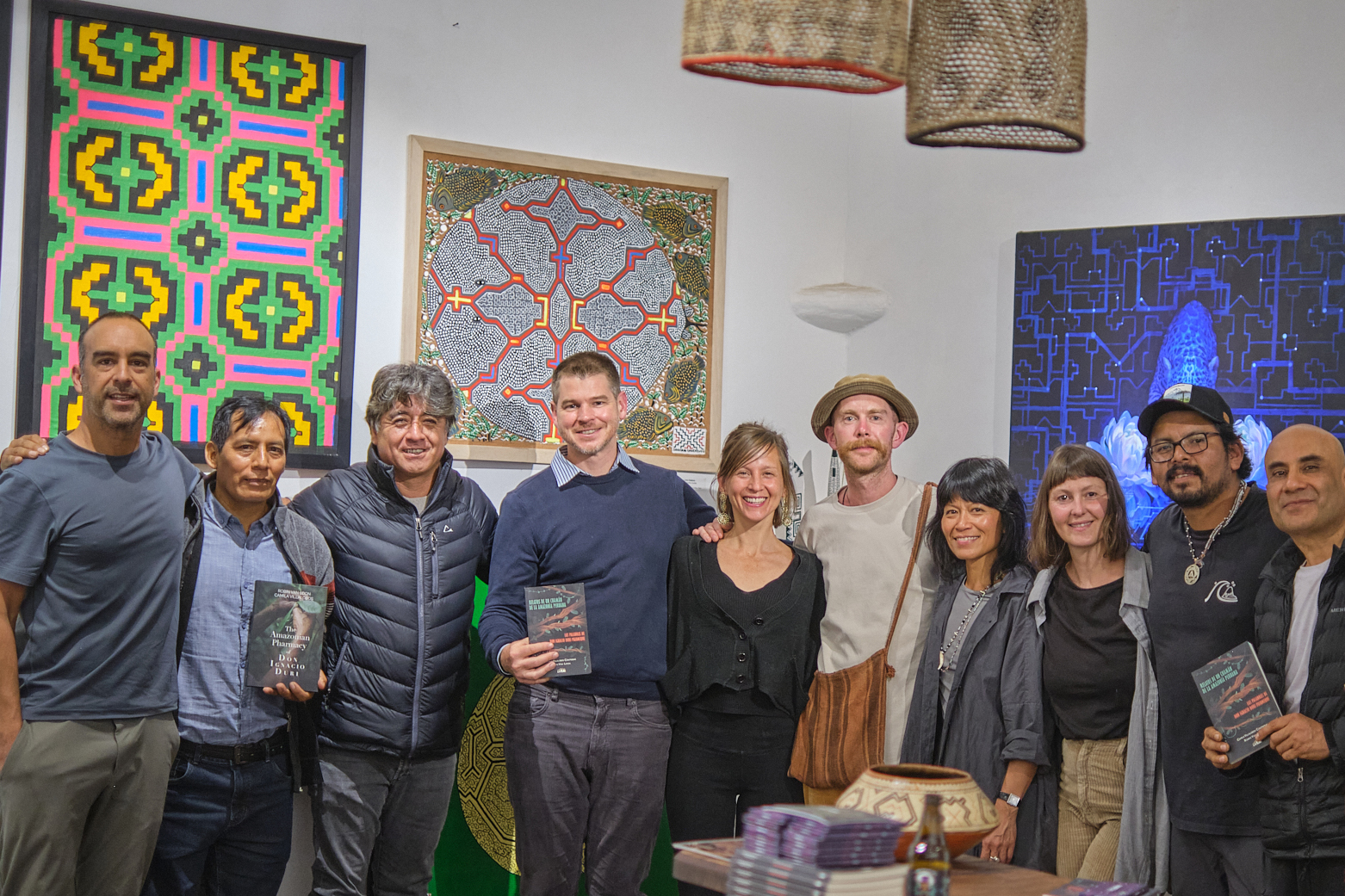
Thank you to everyone who took part in the event, to Robin and Percy, and especially to Don Ignacio, may his soul be at peace and his spirit continue to guide the work of Camino Verde.
Biography | Robin Van Loon
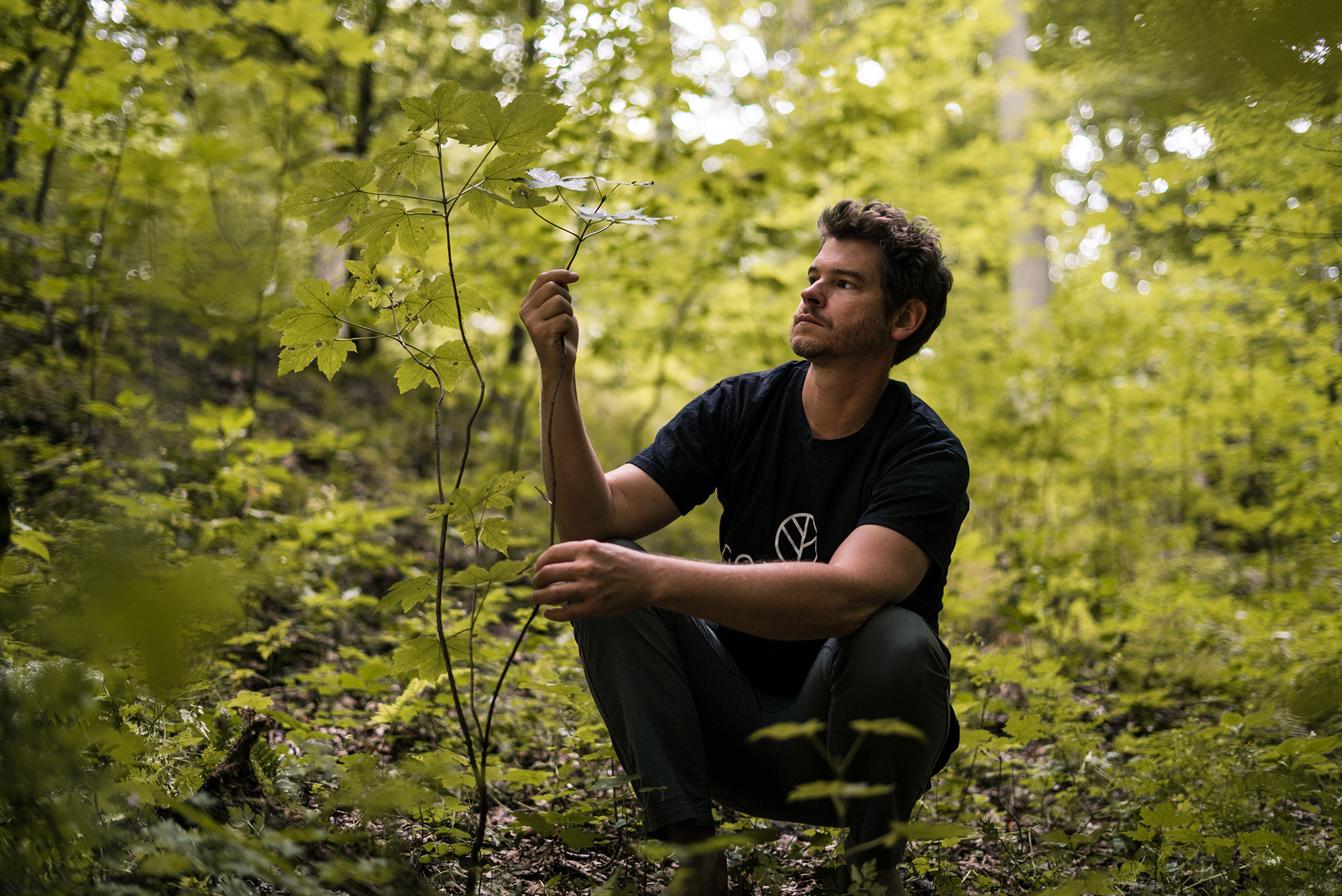
Founder and chief executive of Camino Verde. Robin is a writer, regenerative designer and consultant specialising in agroforestry, reforestation and regenerative development.
Biography | Percy Leva
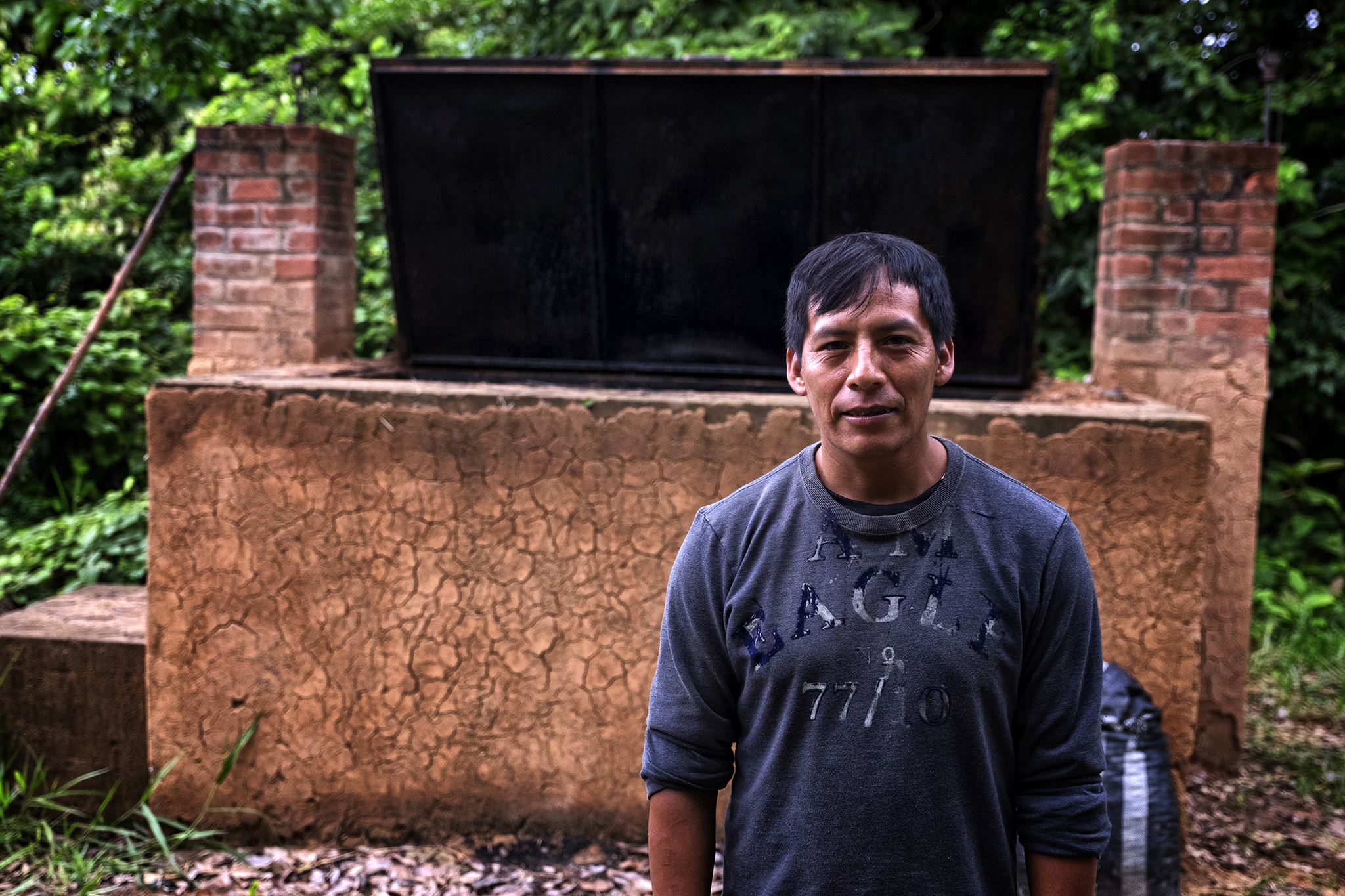
Agroforester and Environmental Engineer who is the Reforestation Coordinator at Camino Verde La Joya.


