Art and Culture in Yurúa
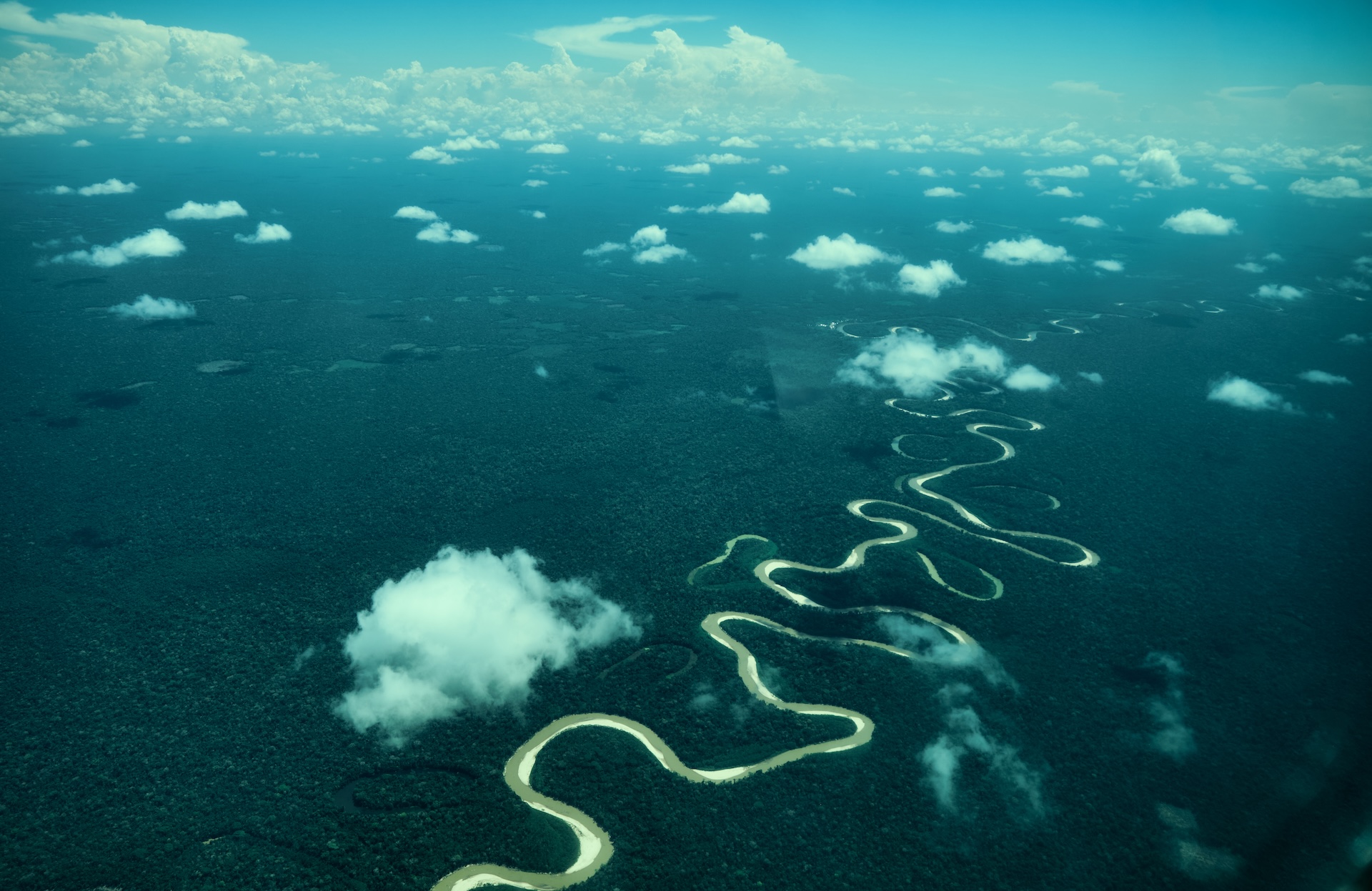
In September 2025, we made our first visit to the Yurúa region, a remote area east of Pucallpa along the border with Brazil in the central Amazon of Peru. The visit was made possible through a collaboration with Upper Amazon Conservancy (UAC), an NGO established in 2006 that has done exceptional work in the protection of Amazonian communities and their territories. Over the years, they’ve developed important conservation initiatives and accompanied Indigenous movements and organisations in their efforts to defend their lands, cultures, and rights.
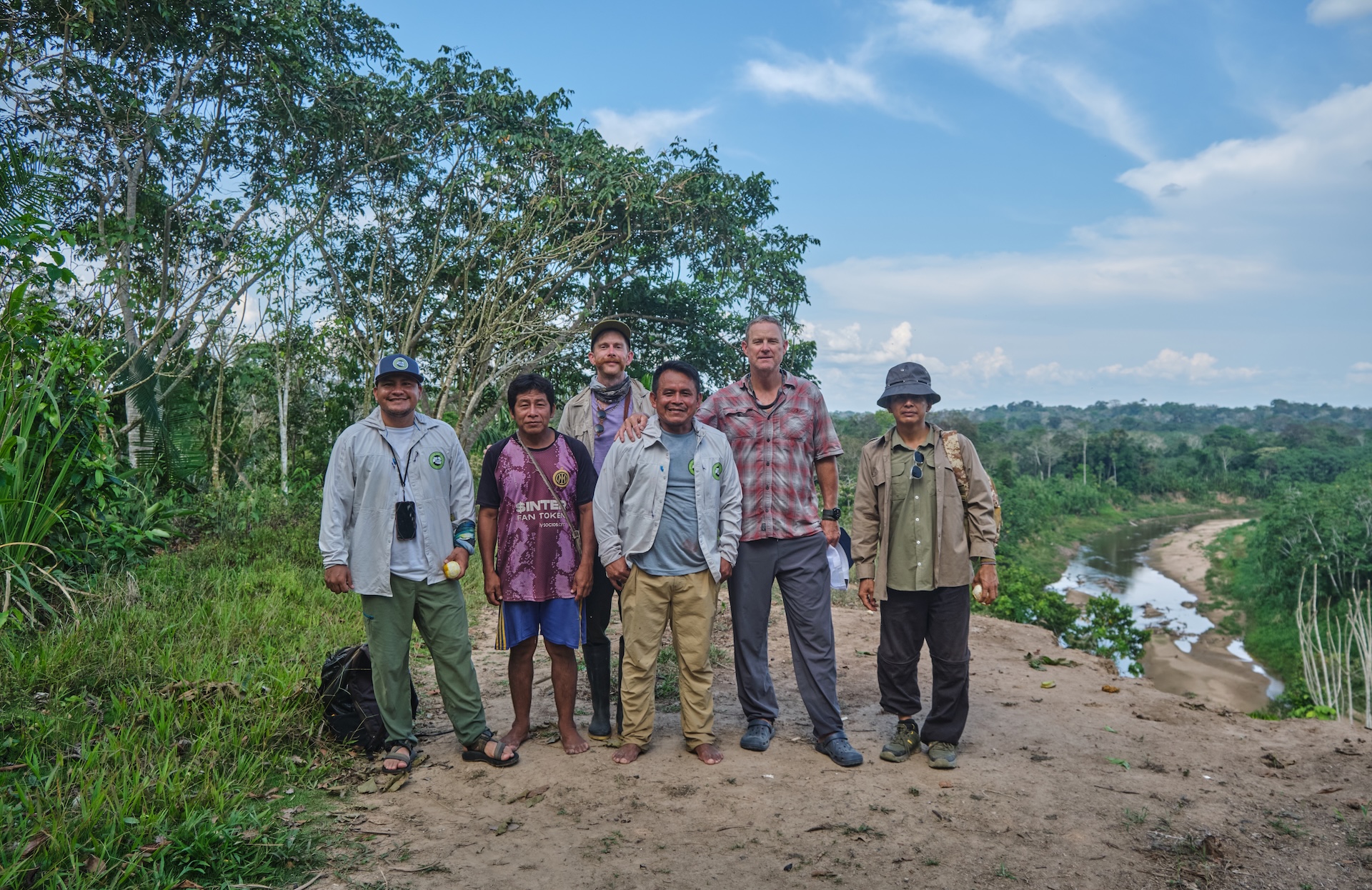
Joining this journey from Xapiri Ground were founder Jack Wheeler, photographer Davis Torres, and Iskonawa leader Félix Ochavano. Representing UAC were Chris Fagan, William Villacorta, Jorge Miranda, Victoria Tuesta, Bryan Vilcatoma and Arlindo Santos, whose knowledge and support were instrumental throughout the visit.
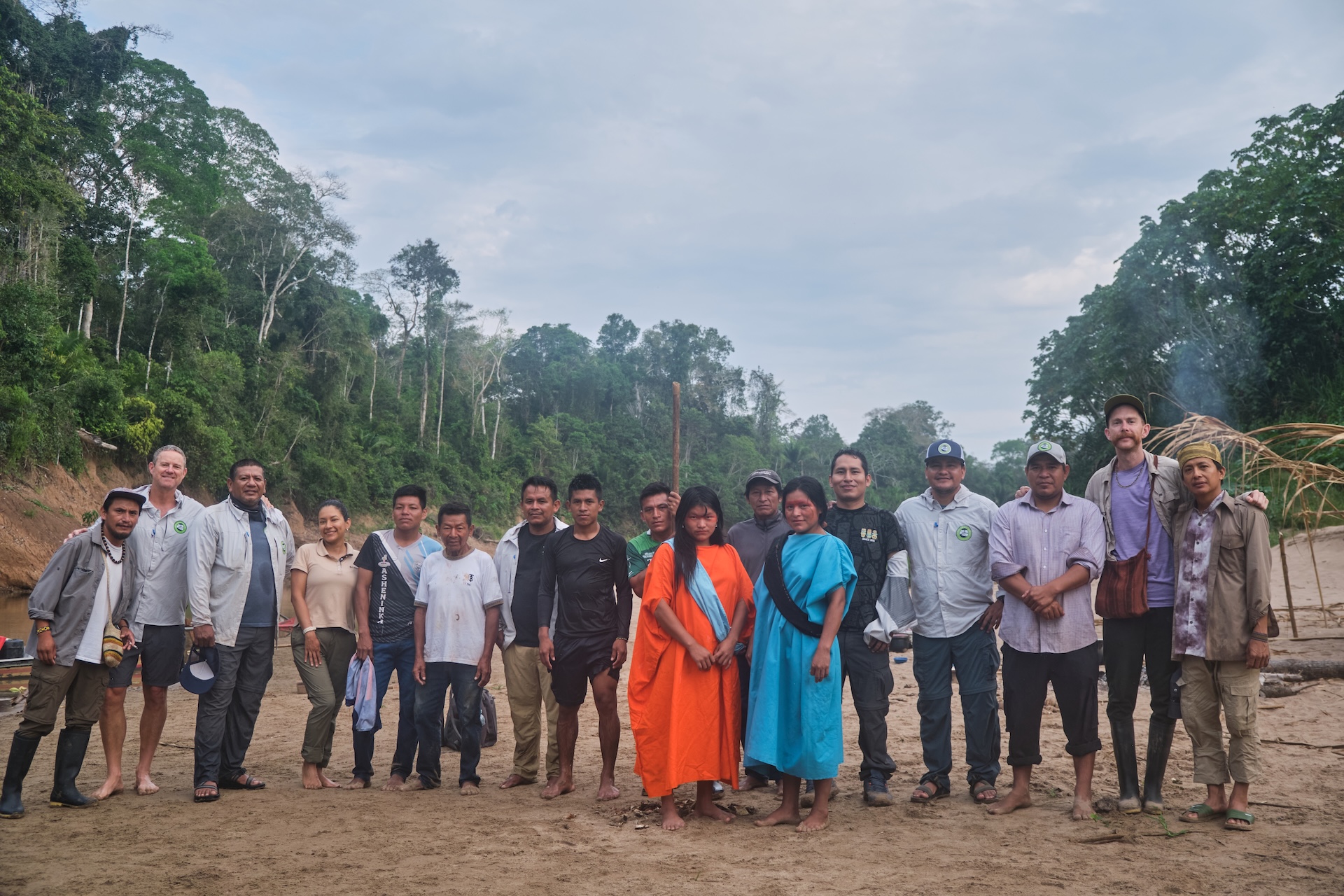
The purpose of our visit was to orient ourselves with the Yurúa watershed and to get to know the communities that call it home. A wide diversity of ethnic groups, including the Ashéninka, Yaminawa, Amawaka, Chitonahua, Yanesha, and Ashaninka, inhabit the region. As with all of Xapiri’s work, our focus was on building relationships and engaging in meaningful conversations around Indigenous art, cultural heritage, identity and how that continues to evolve and gets expressed today. This visit offered us the opportunity to listen, learn and explore possibilities for future collaboration rooted in mutual respect and exchange.
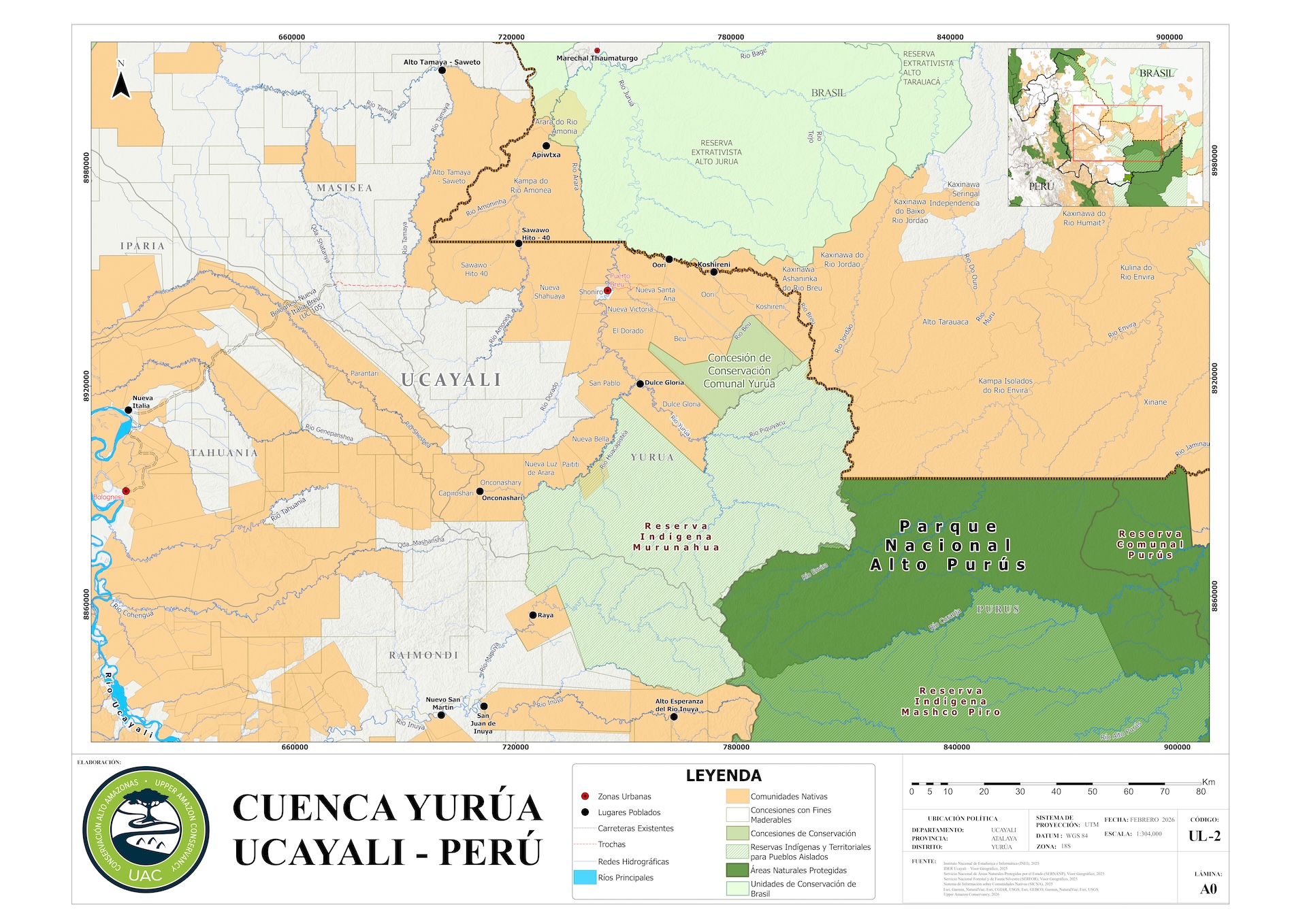
After arriving in Puerto Breu by small aircraft, we met with members of the Arankom Ashaninka Yanesha Association of Koshireni at the UAC office. Together, we reviewed their artworks and discussed ideas for future visits, ideally during the high-water season when access to their community is easier by river.
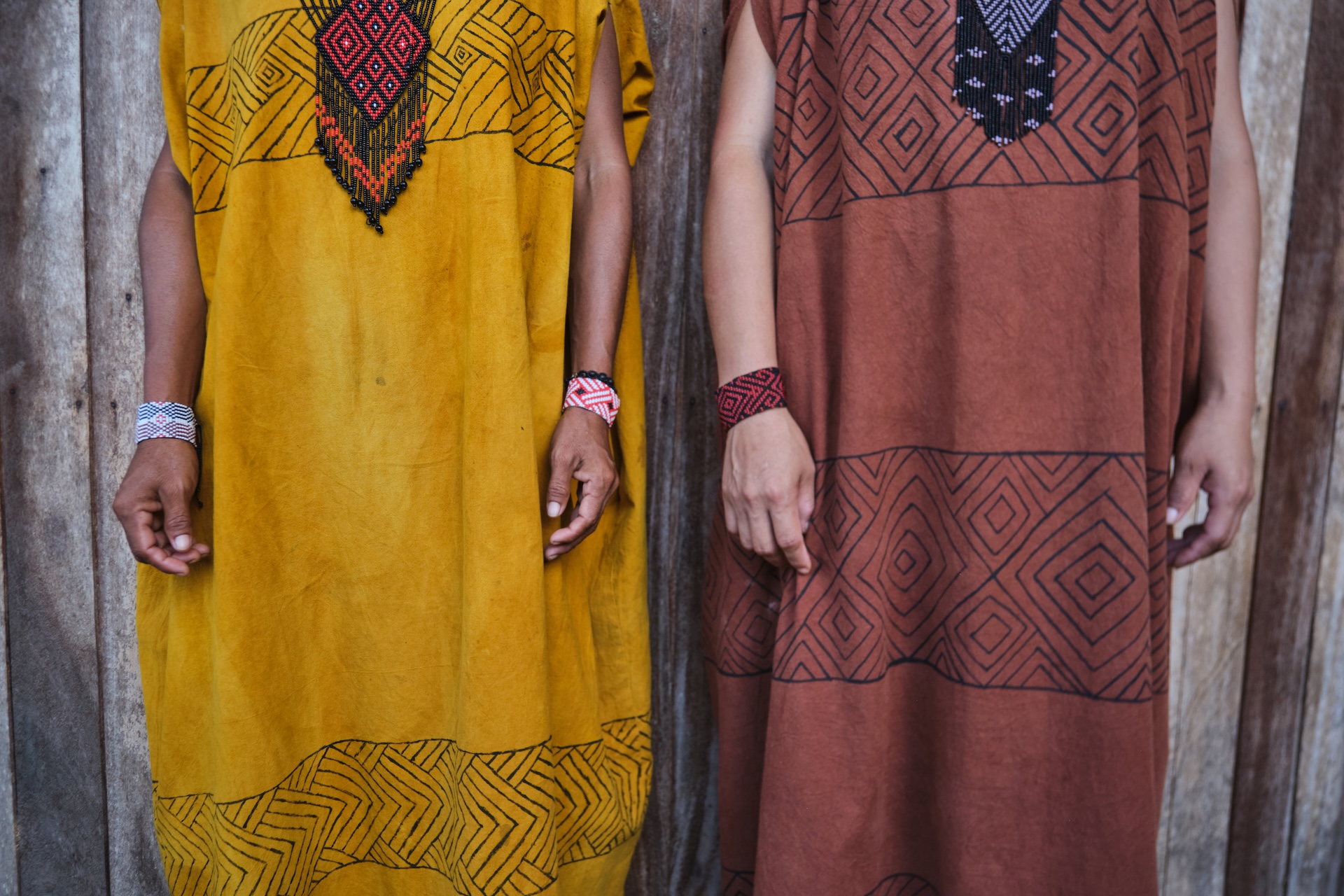
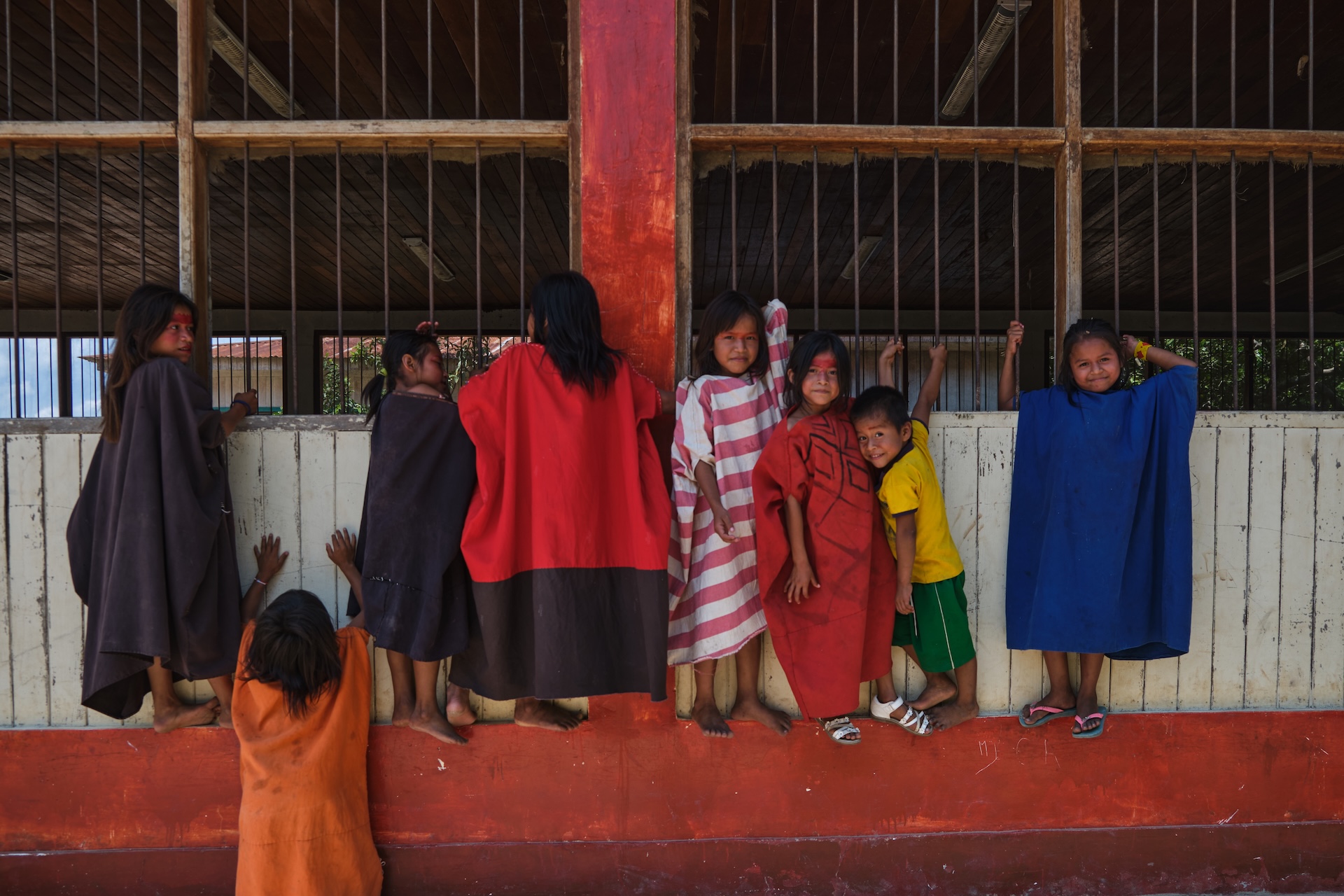
The following morning, we travelled three hours upriver along the Yurúa to our first destination: the Ashéninka community of Dulce Gloria. Upon arrival, we were warmly welcomed by our friend Stany, the village teacher, who had organised a presentation with the community’s young Ashéninka women and girls. It was a beautiful sight to see them dressed in their cushmas adorned with traditional ornaments. Their faces were painted with achiote, and soon after, so were ours, as we danced and laughed together in what was a generous and memorable welcome, setting the tone for the days ahead.
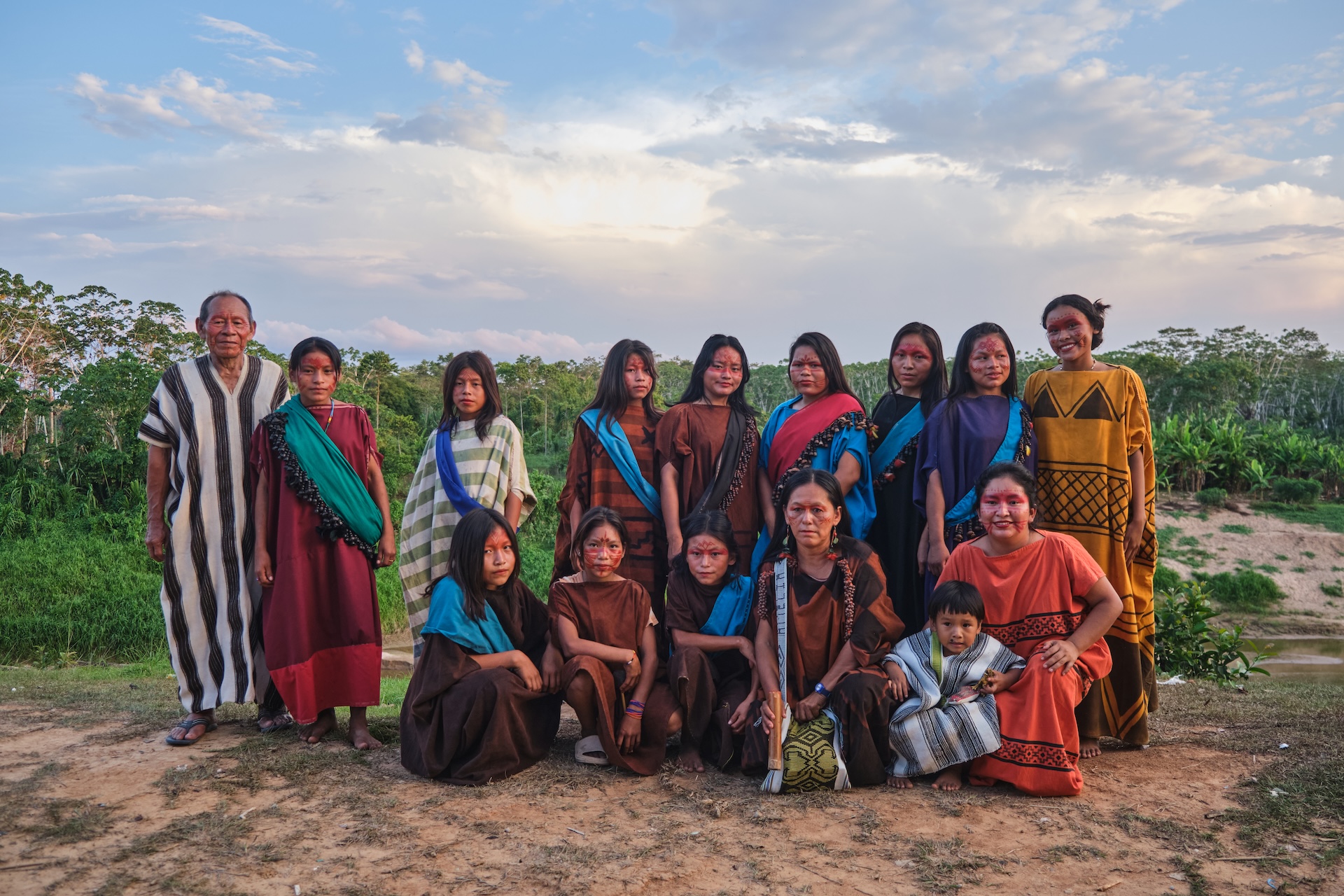
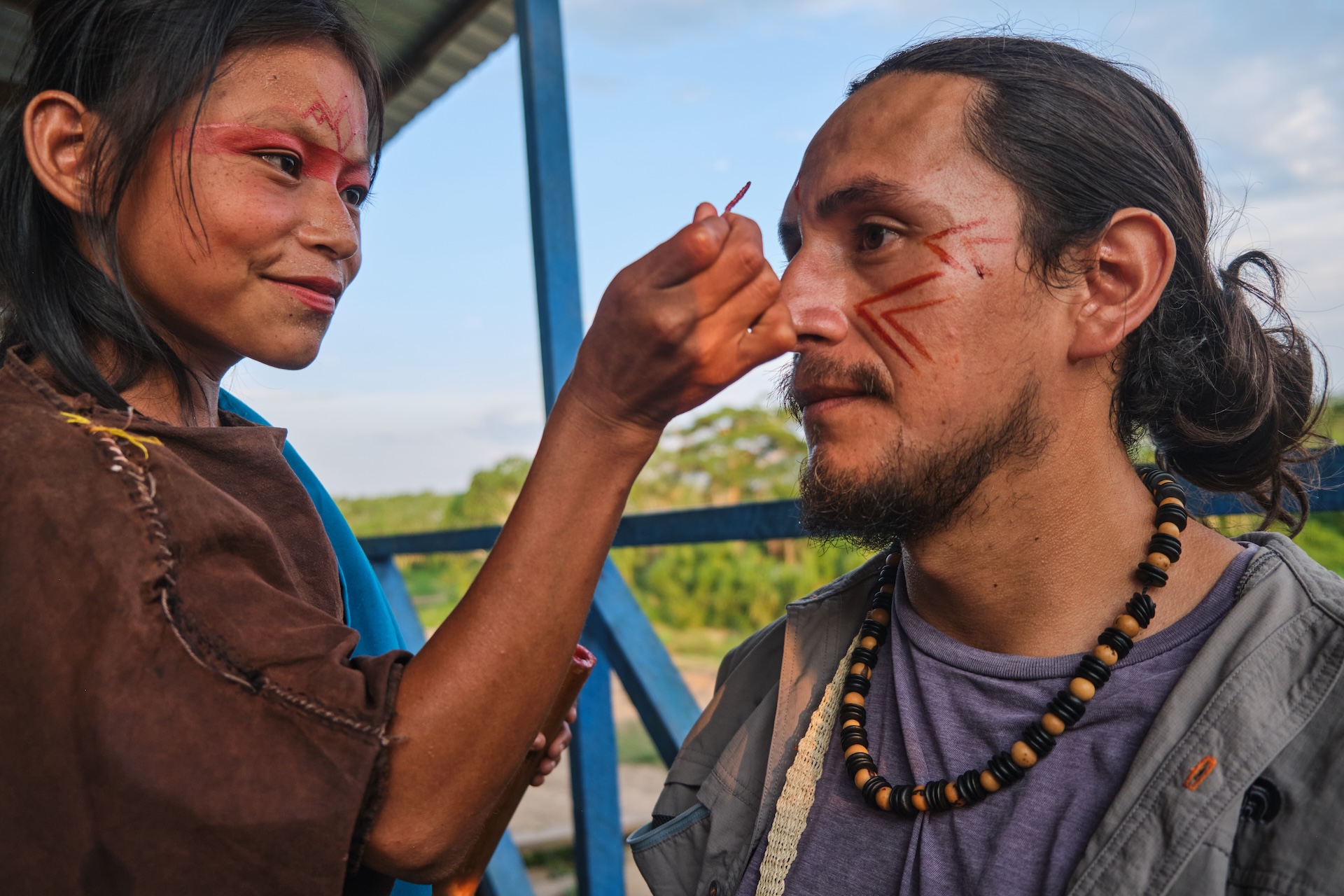
We would spend two days in Dulce Gloria, where the Xapiri and UAC teams set up camp beside Arlindo’s house. Arlindo is an important Ashéninka cultural leader and one of the key voices working to preserve and strengthen the cultural traditions of the communities in the Yurúa region.
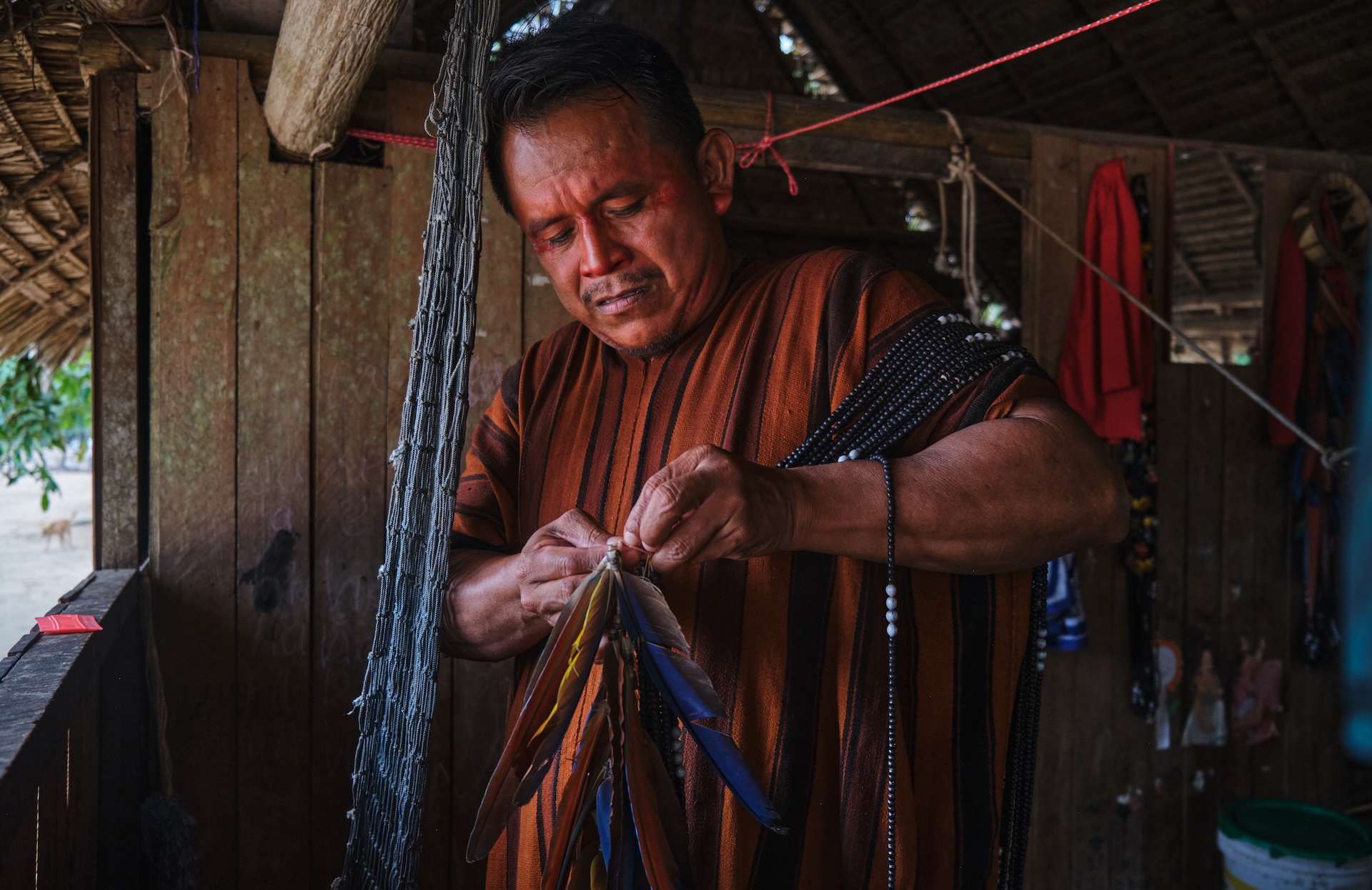
Earlier in the year, we had the privilege of welcoming photographer and filmmaker Diego Perez to Xapiri for a special screening and discussion of Shirampari - a documentary exploring Ashéninka culture through the eyes of Arlindo and the ongoing threat posed by proposed road projects in the Yurúa region, a dilemma that continues to cast a shadow over this remote and biodiverse territory. It was therefore especially meaningful to finally meet Arlindo in person after first encountering his story on the screen. Spending time together in his community added a deeper dimension to our understanding of the challenges, aspirations, and cultural resilience of the people in Yurúa.
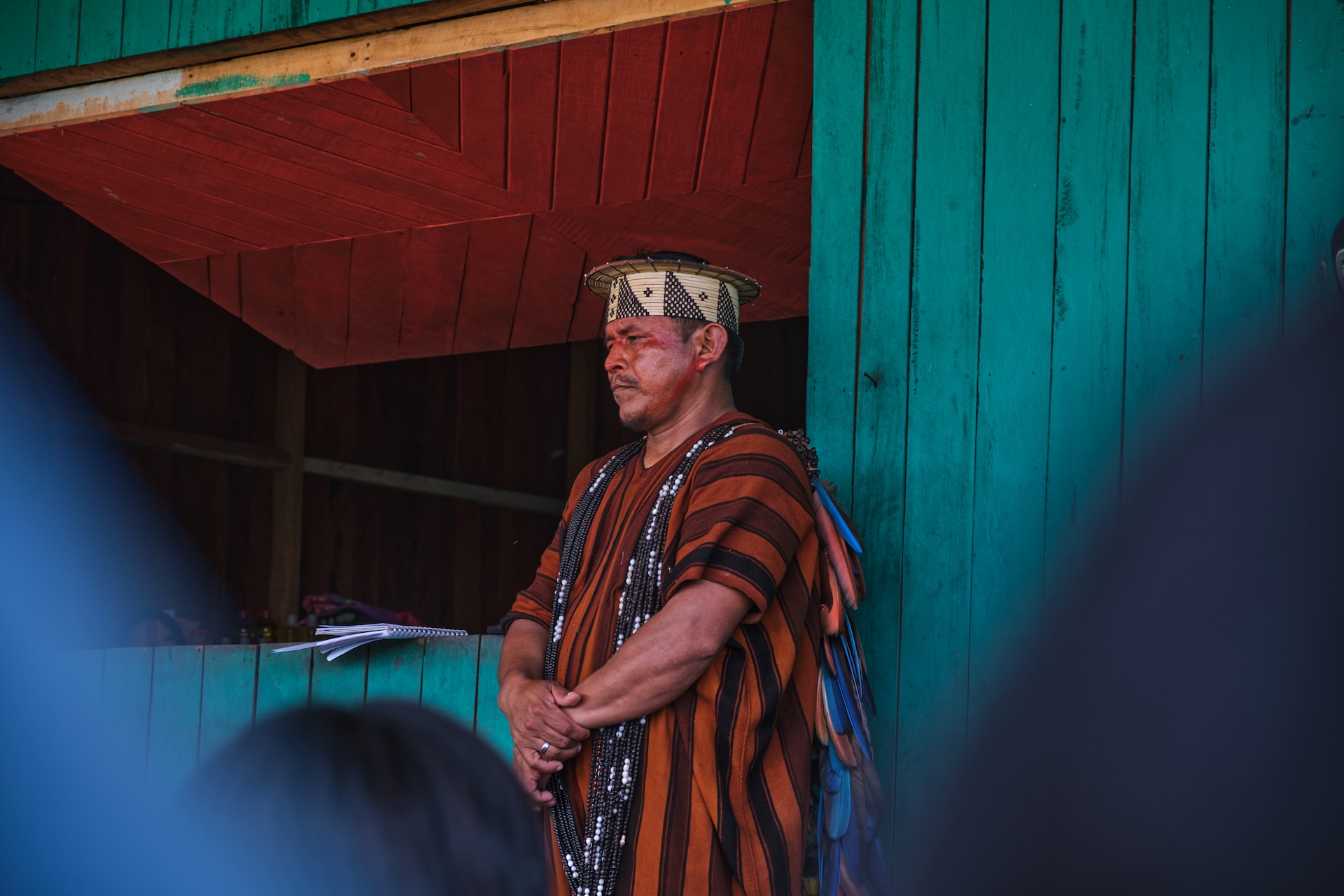
The following morning, a community meeting was held in the village. The gathering began with presentations by the women, who shared songs, dances, and perspectives about their artistic practices and cultural traditions. Their contributions offered a rich introduction to the knowledge, creativity, and heritage that continue to be passed down through generations. We then introduced the work of Xapiri Ground and explained the purpose of our visit: to explore whether there was interest in working together to support and promote the community’s traditional arts. The response was positive.
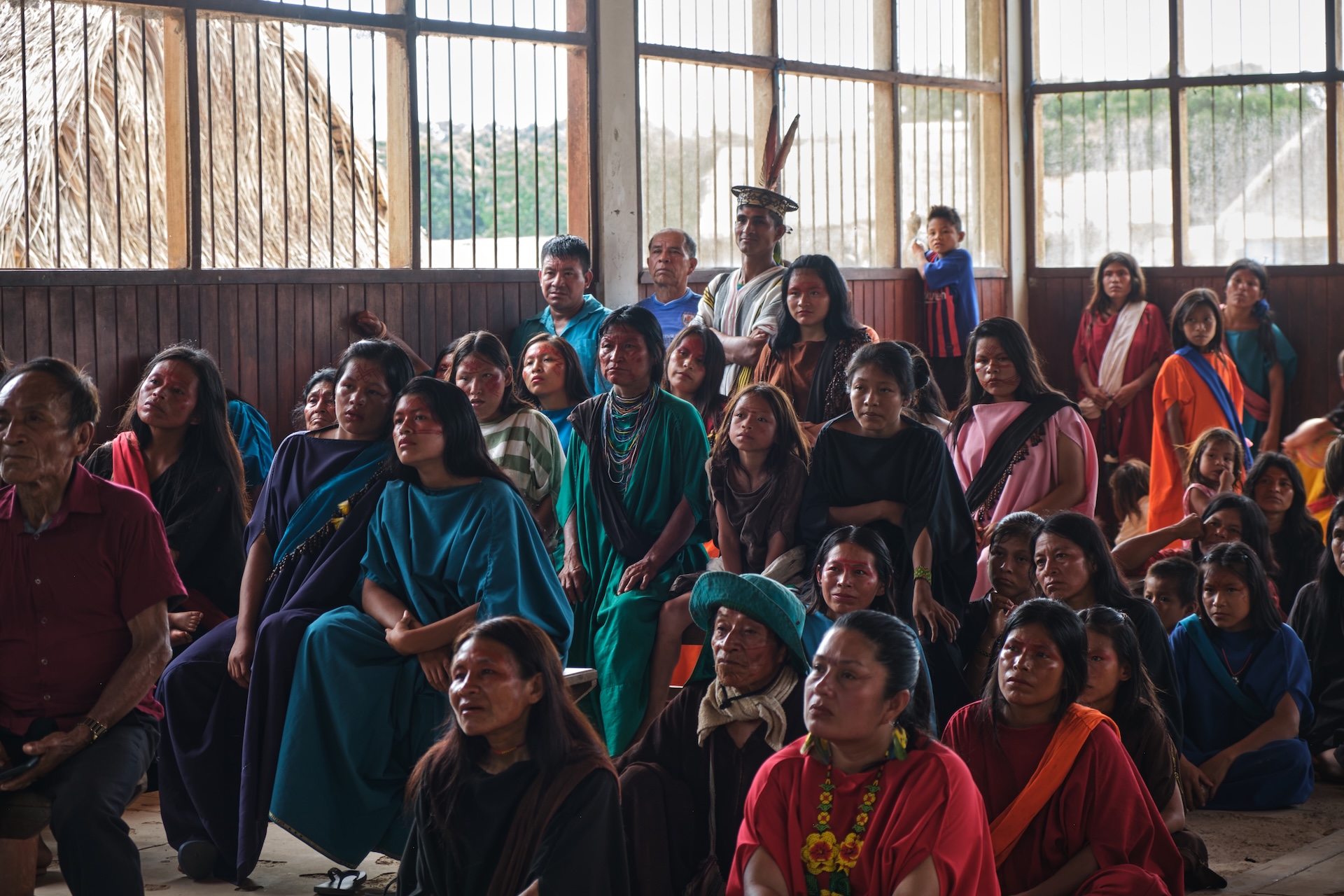
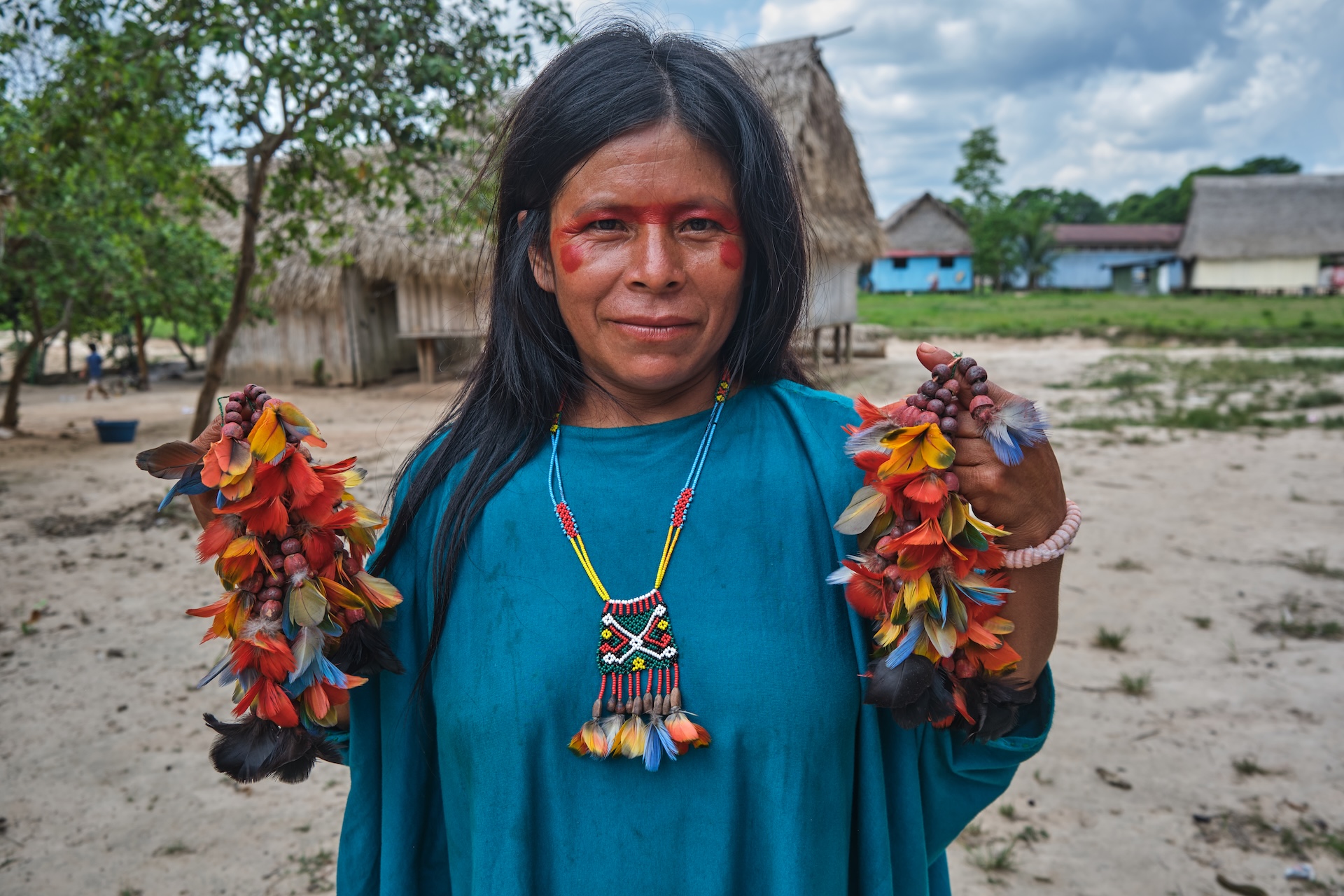
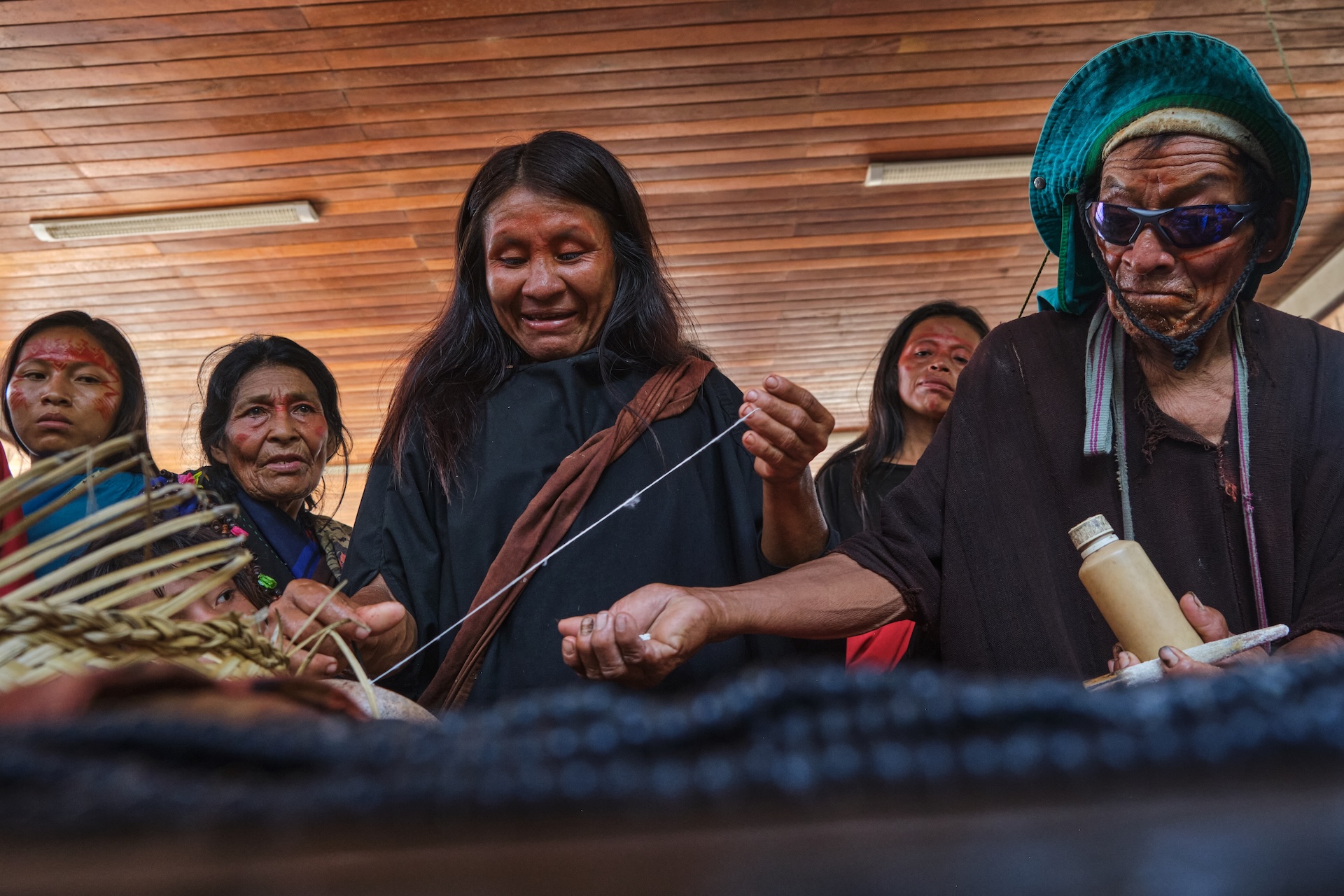
Following the discussion, the women presented a range of handmade wares including seed adornments, jewellery, cushmas, traditional pipes, achiote and other cultural items. After the meeting, we spent time visiting different families and getting to know the community intimately. Large quantities of masato had been prepared for the occasion, and the village was filled with a spirit of hospitality, conversation and exchange. By day’s end, new relationships were formed along with a better understanding of life in Dulce Gloria.
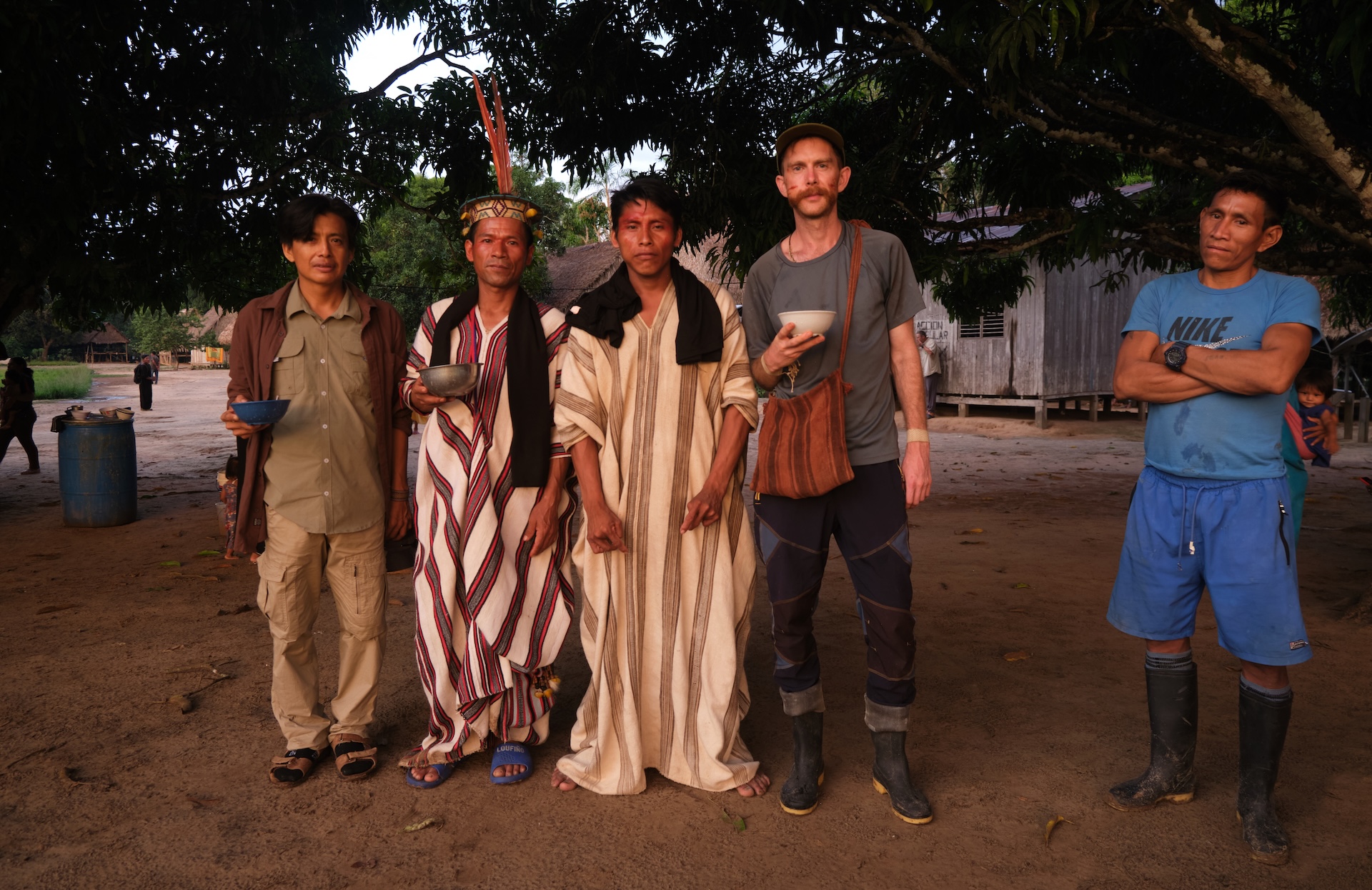
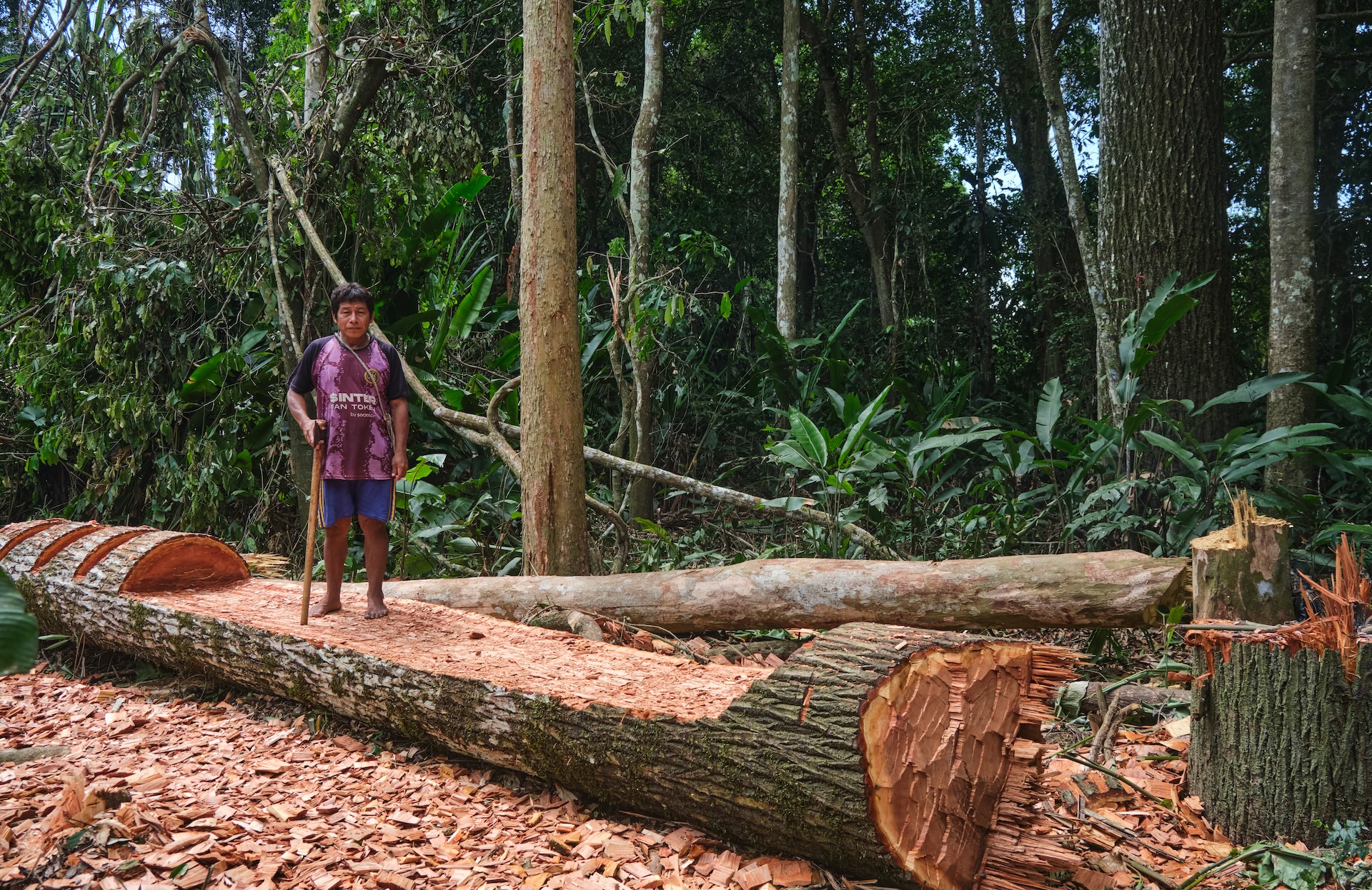
Early the following morning, we set off upriver to visit the remote annex communities of Nuevo Edén and Selva Virgen, both associated with Dulce Gloria. The journey took us through a maze of shallow channels and low-water passages clogged with fallen trees. On many occasions, we had to climb out of the boat and push it through narrow sections of the river to free up our passage upstream. These small settlements are located close to the Murunahua Indigenous Reserve and therefore play an important role within the buffer zone surrounding the territory of the Indigenous peoples living in voluntary isolation in the area. In Nuevo Edén, we met Elías, who invited us on a walk through the forest to come see the canoe he was carving from a lagarto caspi tree. Watching the process firsthand offered a glimpse into the skills and knowledge that continue to underpin daily life in these remote communities.
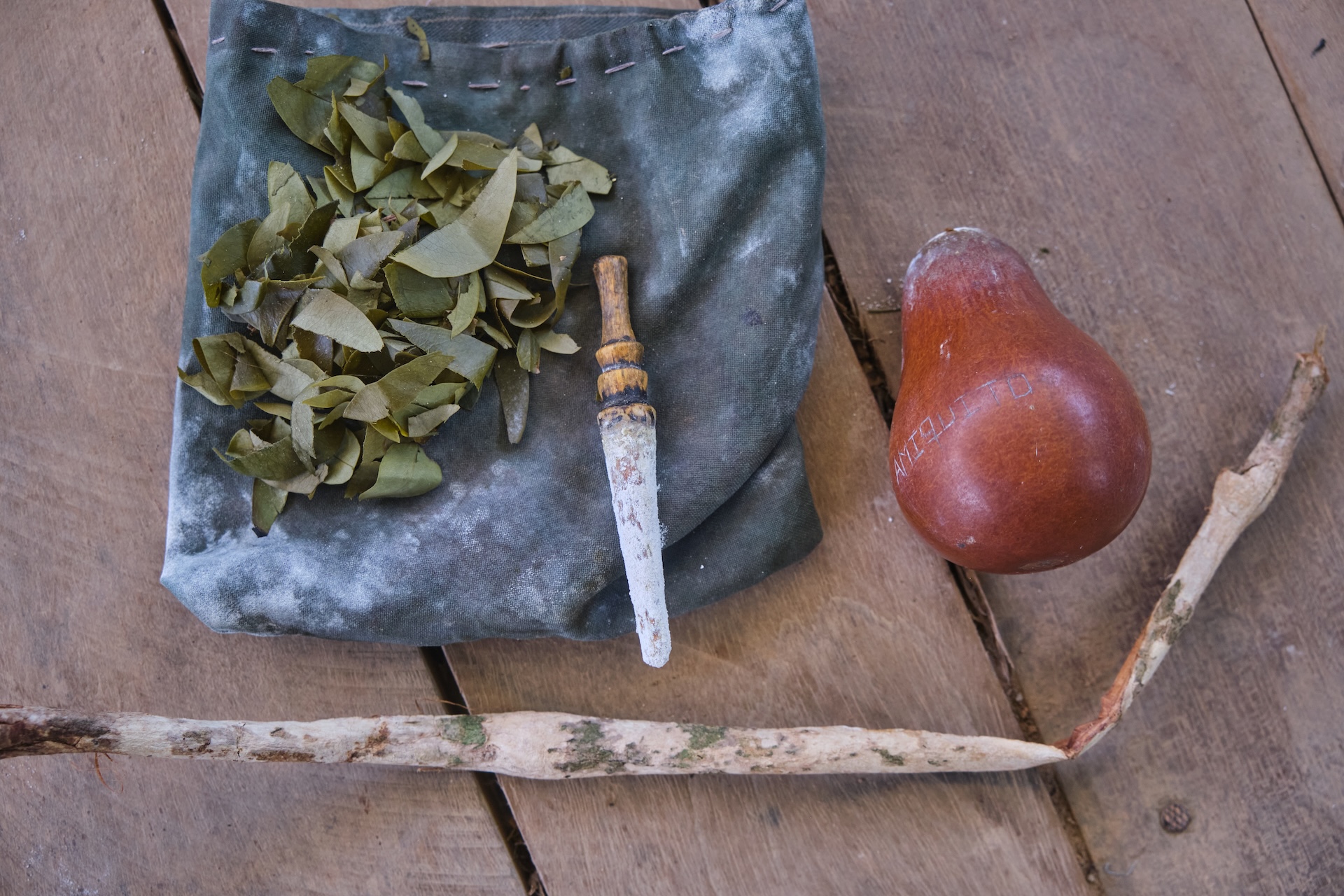
From there, we travelled even further upstream to Selva Virgen, the last settlement along this stretch of the river. Unfortunately, the Ashéninka families, known to our friends at UAC, were away fishing at the time of our visit. Nonetheless, we were able to meet other families and spend time learning about their way of life. We observed a woman prepare “cal”, a substance made from ash that the Ashéninka mix with coca leaves. The coca is chewed throughout the day as a source of energy and nourishment, and the preparation of cal remains an important part of their long-standing cultural practice.
Climbing to a viewpoint way above Selva Virgin, one has a clear view into the Murunahua Indigenous Reserve, an immense jungle and home to various peoples living in voluntary isolation.
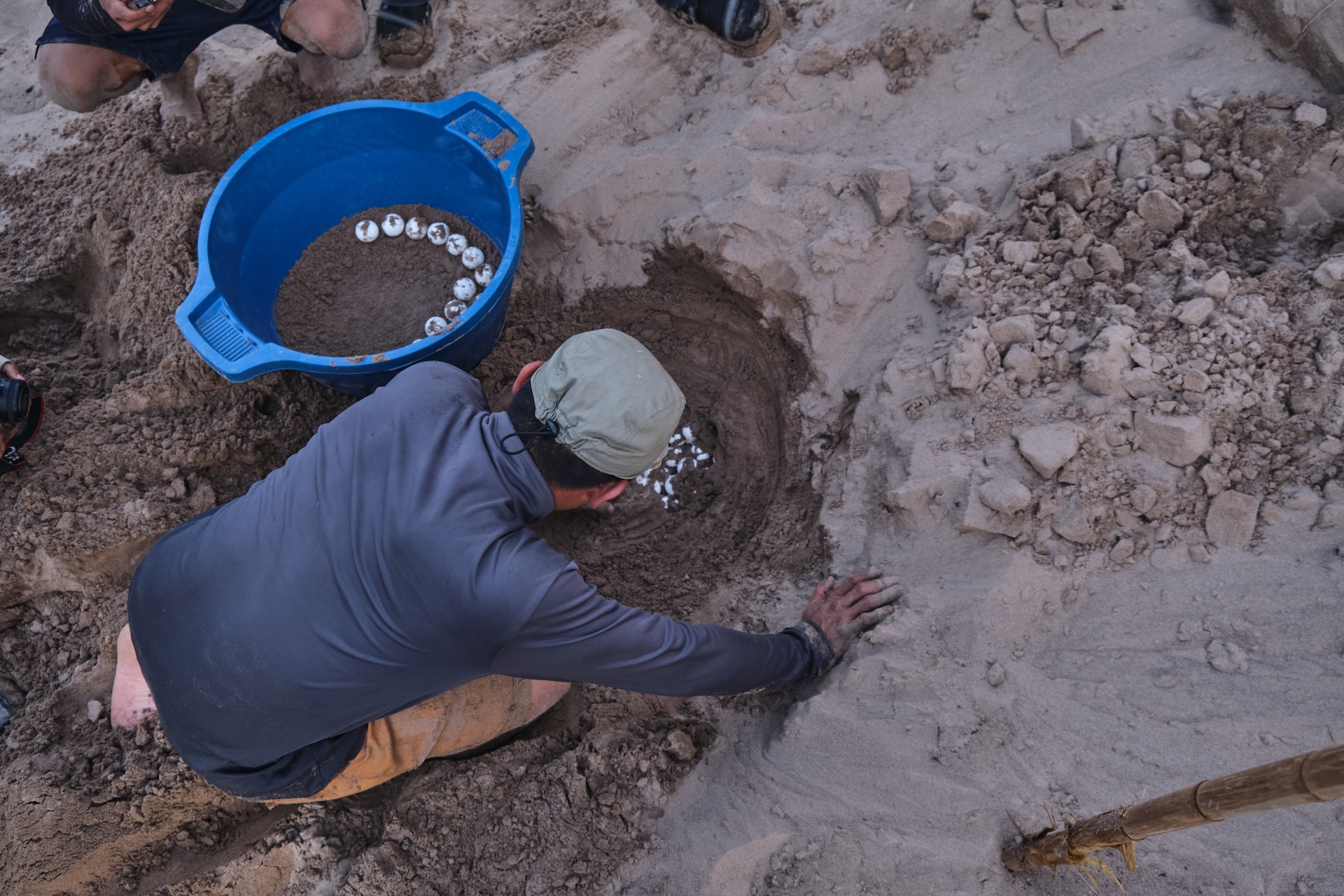
In the afternoon, we headed back downstream and stopped at a beach to collect some turtle eggs, which Arlindo commented would be taken back to Dulce Gloria to be looked after until they hatched, before the baby turtles were returned to the river later in the year. The Ashéninka have been working to protect these turtle populations for the past 10 years, with the overall aim to increase the populations of turtle species over time throughout the watershed.
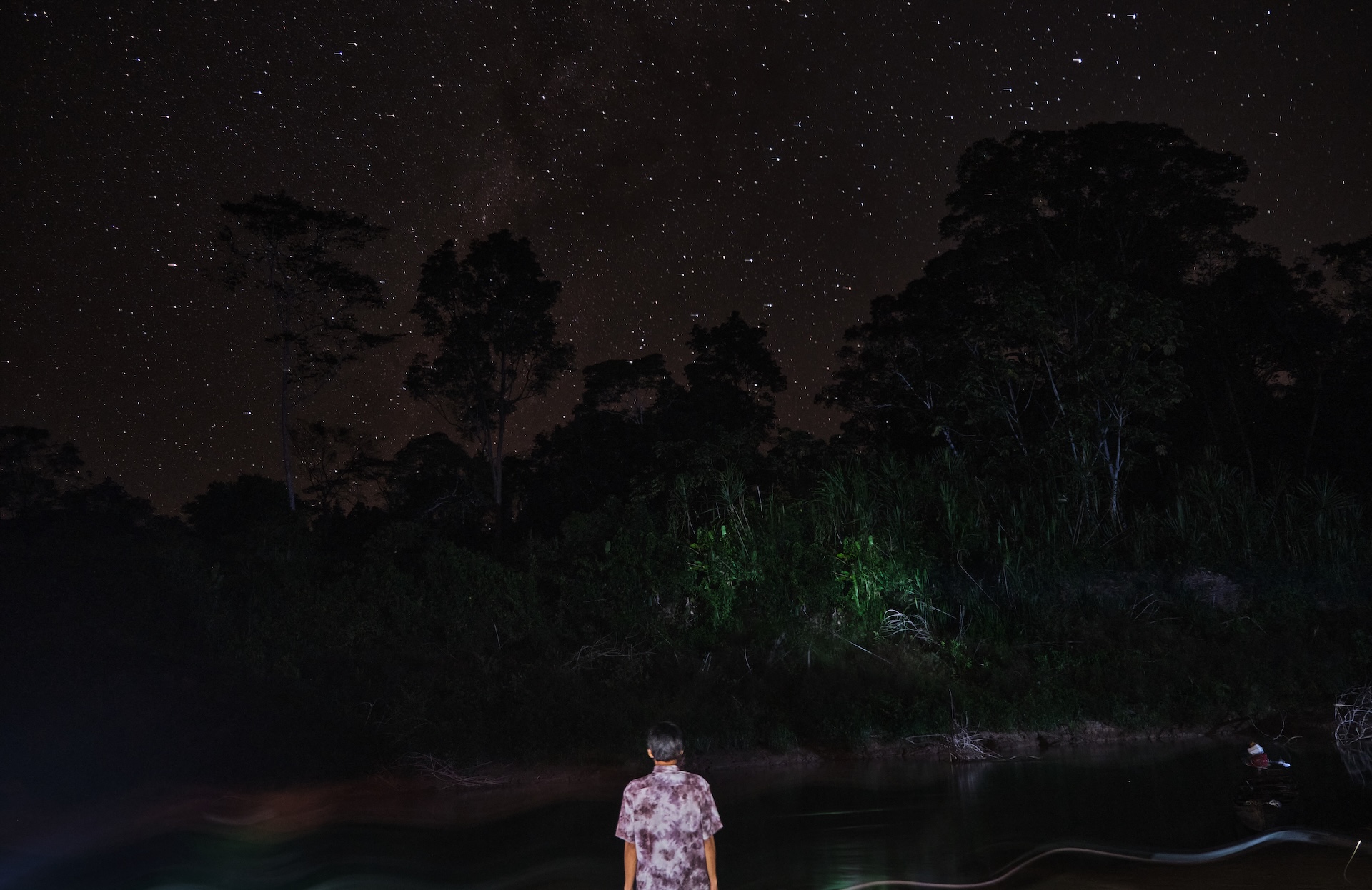
Just before dusk, we set up camp on a river beach and spent the evening sharing stories and conversation around the fire. These moments together, away from the day’s travel, offered valuable opportunities to reflect on what we had seen and learned throughout the journey. As darkness fell, Arlindo spoke about the history of logging in this part of the Yurúa and the challenges it brought to the region. He recounted how he and other members of the community organised themselves to defend their territory and resist the encroachment of logging interests. His stories were a powerful reminder of the determination and leadership that have helped protect the forest of the Yurúa, one of the most intact and biodiverse ecosystems in the Peruvian Amazon today.
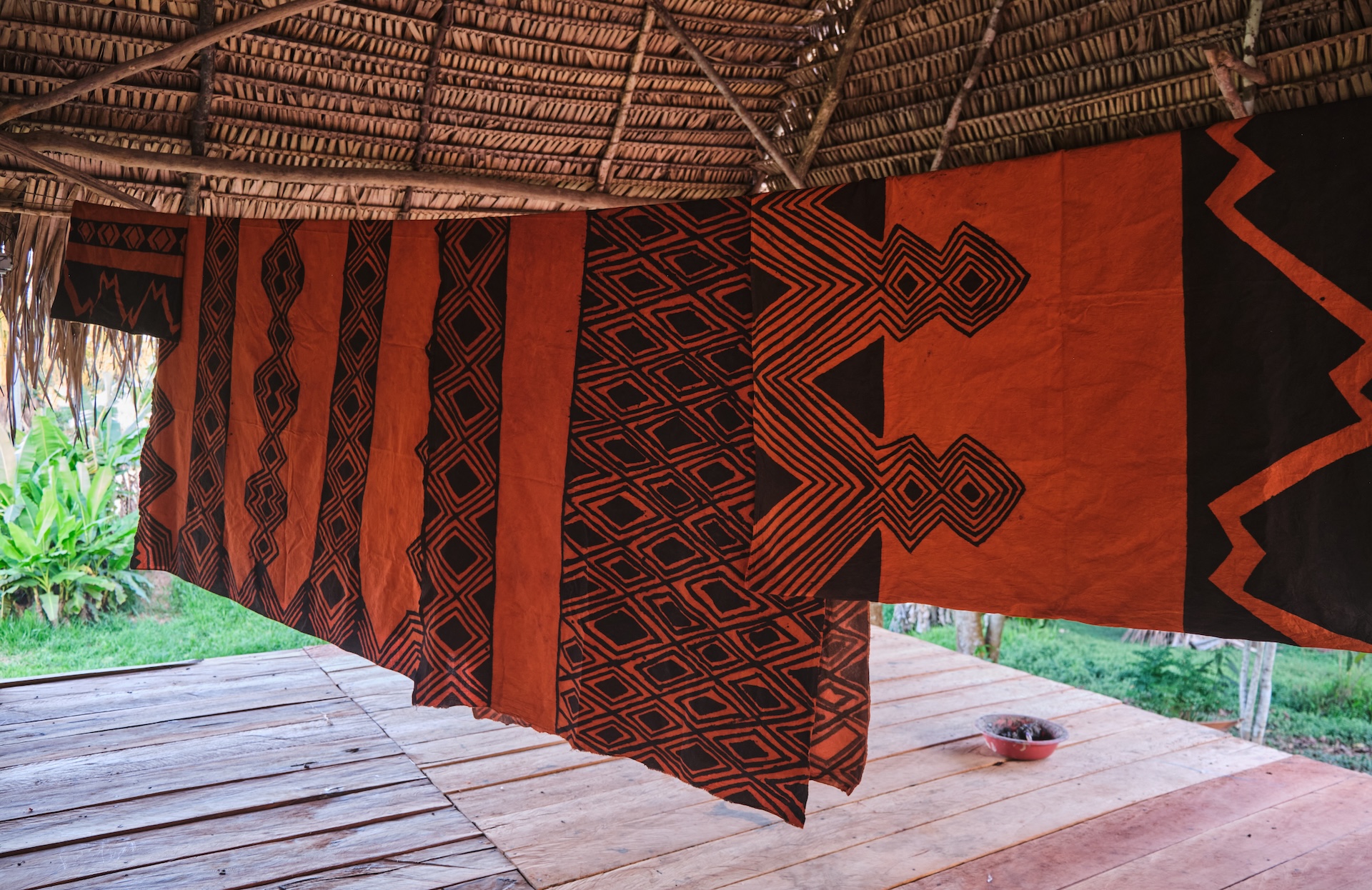
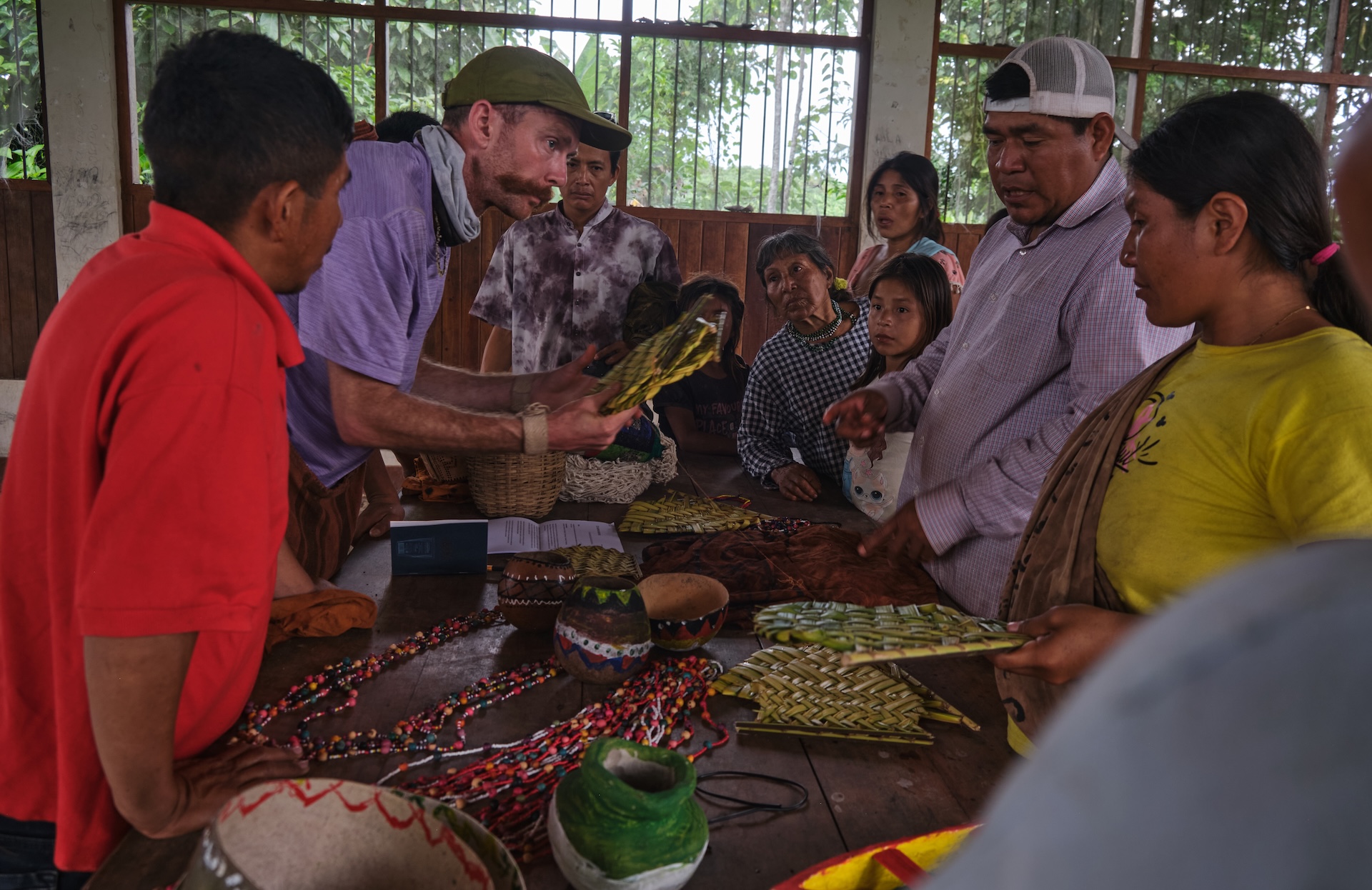
The following morning, we departed early and continued our journey upriver towards our next destination: the Yaminawa community of El Dorado. Arriving around midday, we stepped directly into a community celebration, with masato flowing freely and people gathered together in a lively atmosphere. In the village hall, we had the opportunity to meet a number of local artists who shared examples of their work. Among the pieces on display were hammocks, crowns, bracelets, ceremonial objects, and other handcrafted items that reflected the creativity and cultural identity of the community. Particularly striking were the graphic designs characteristic of Yaminawa artistic expression, composed of intricate lines, dots, and geometric patterns. It was a visual language that we at Xapiri had not encountered before in Peru. The afternoon was spent in conversation, sharing stories and learning more about the community, its traditions and the artistic practices that continue to be passed down between generations.
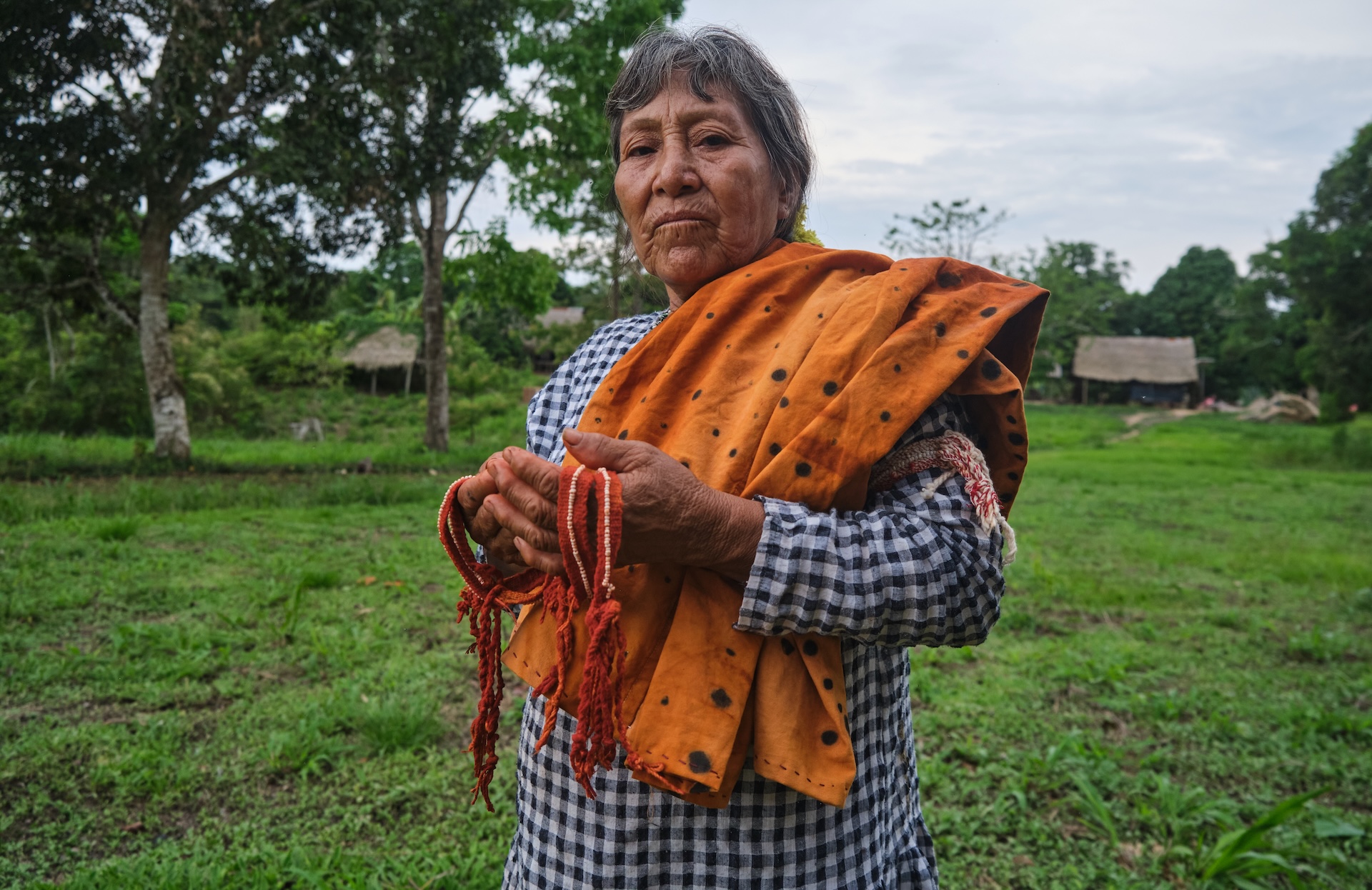
While in El Dorado, we also had the opportunity to spend time with Jorge, a leader of the Chitonahua people, an Indigenous group living in what is often described as a situation of initial contact. Jorge spoke about the recent history of his people and the challenges they continue to face as they navigate a rapidly changing world. His extended family had recently relocated to the outskirts of El Dorado after spending several years closer to the Ashéninka community of Victoria. Their presence added another layer to the complex cultural landscape of the Yurúa, where different ethnic groups, each with their own histories and experiences, coexist and interact. Félix, whose Iskonawa community has its own history of displacement and ‘contact’, quickly found common ground with Jorge. Their conversations revealed shared experiences and concerns, particularly regarding the limited support received from state institutions. As Jorge remarked on several occasions, “The Ministry does nothing. People come, take photos, and then nothing happens.” The encounter was brief but meaningful. We hope to continue building a relationship with Jorge and the Chitonahua community in the future, creating more opportunities for dialogue and exploring ways to support and share their artistic and cultural traditions on their own terms.
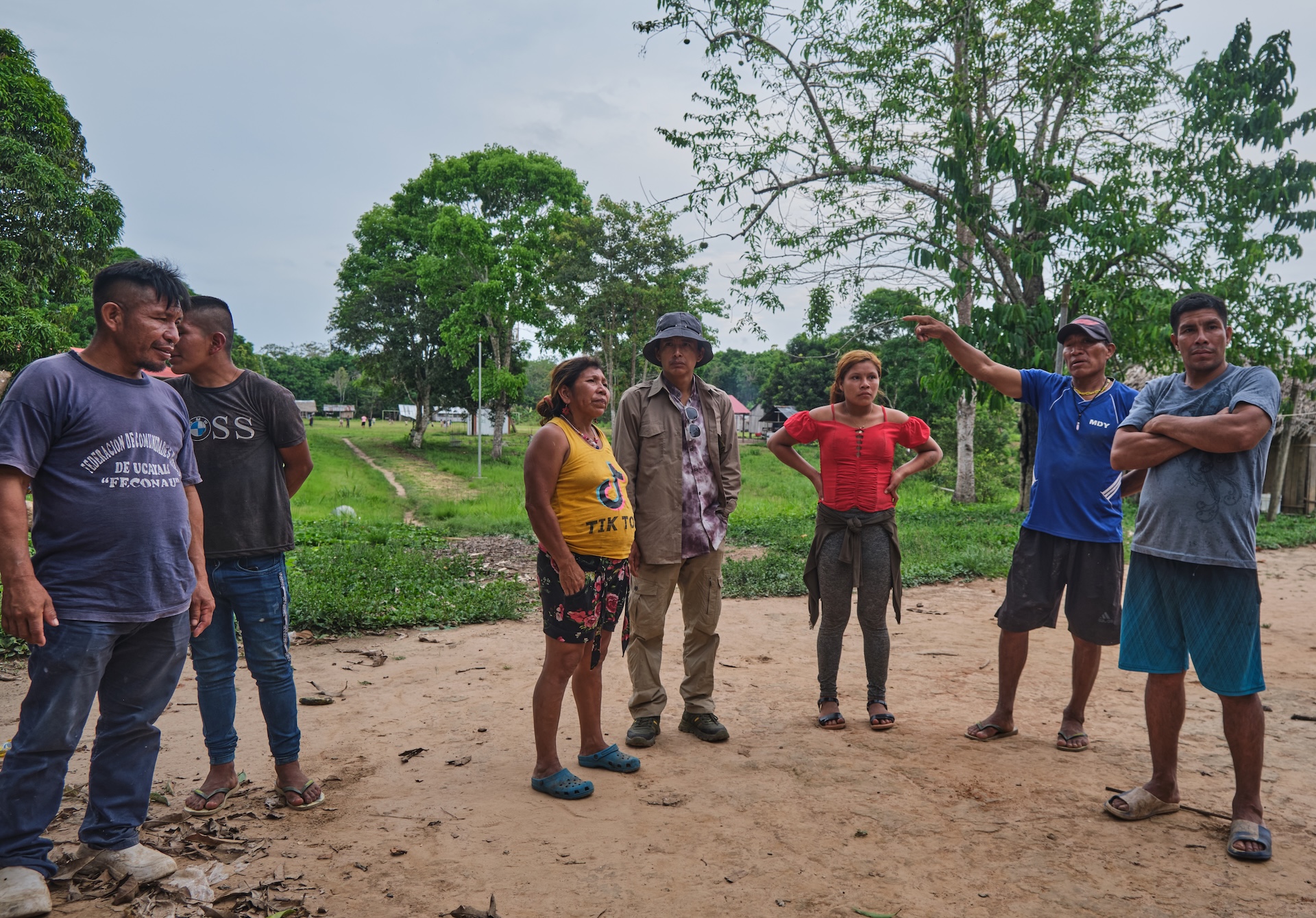
In the afternoon, we continued to the Ashéninka community of Victoria, where a communal meeting was held to discuss the purpose of our visit and to learn about the community’s artistic traditions and cultural heritage. During the gathering, community leader Javier shared his vision of strengthening and promoting ancestral arts as a way of cultural continuity and to generate economic opportunity for the village. His aspirations resonated strongly with the discussions we had been having throughout the journey. Arlindo also contributed his reflections, drawing on conversations and experiences from the previous days and offering valuable insights into the role that traditional arts can play in supporting community well-being and cultural identity.
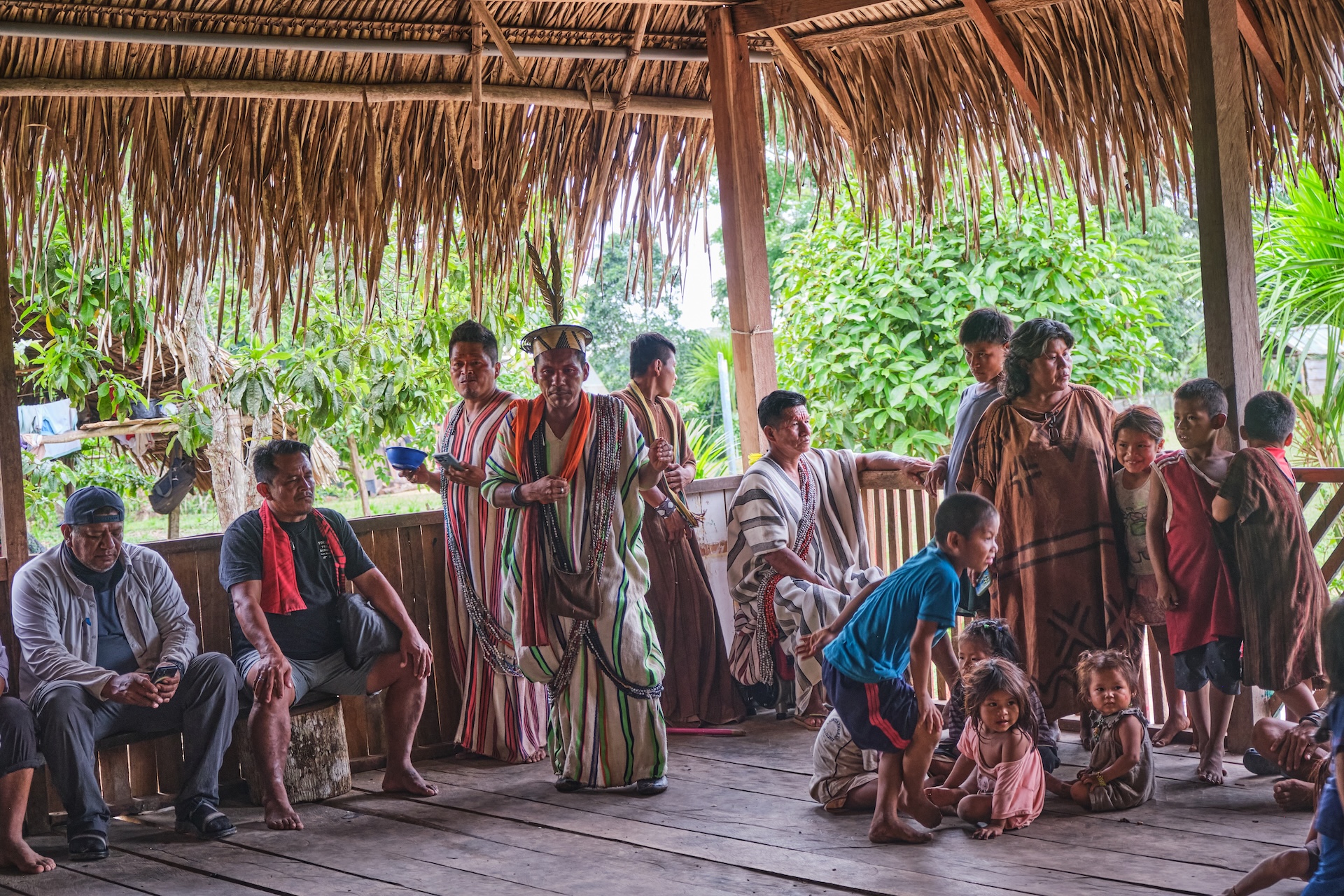
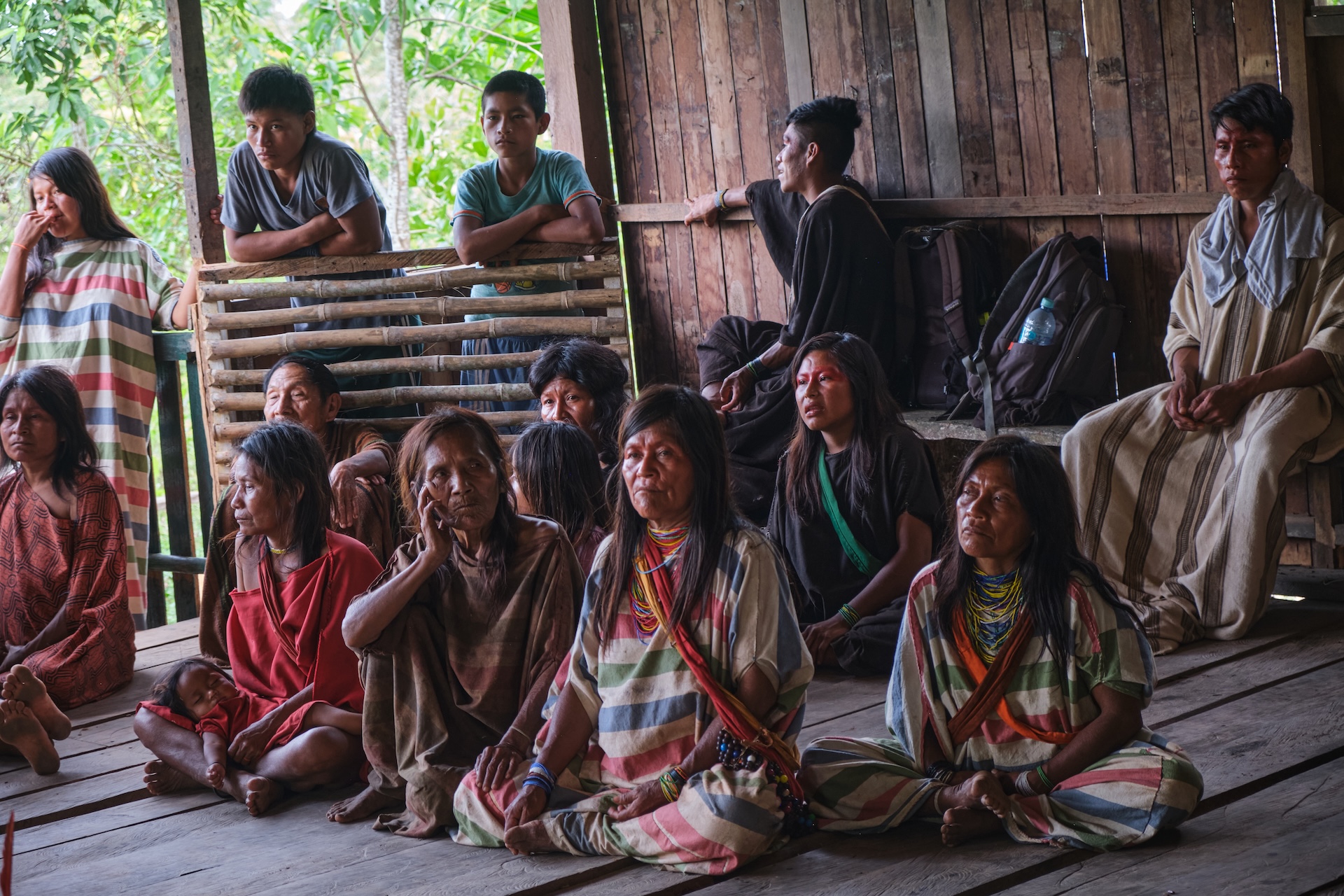
The women presented examples of their work, including beautifully crafted cushmas, basketry and tools used in cotton production and weaving. The men shared their own creations, such as carved wooden pipes, gourds for storing cal, and other finely crafted objects made from local materials. Together, these works reflected a rich body of knowledge and craftsmanship that continues to be maintained and passed on within the community. Once again, the meeting was met with enthusiasm and openness. We left Victoria with a strong sense of mutual interest and the feeling that there is significant potential to build a meaningful long-term relationship with the community that supports the continuity of their heritage arts.
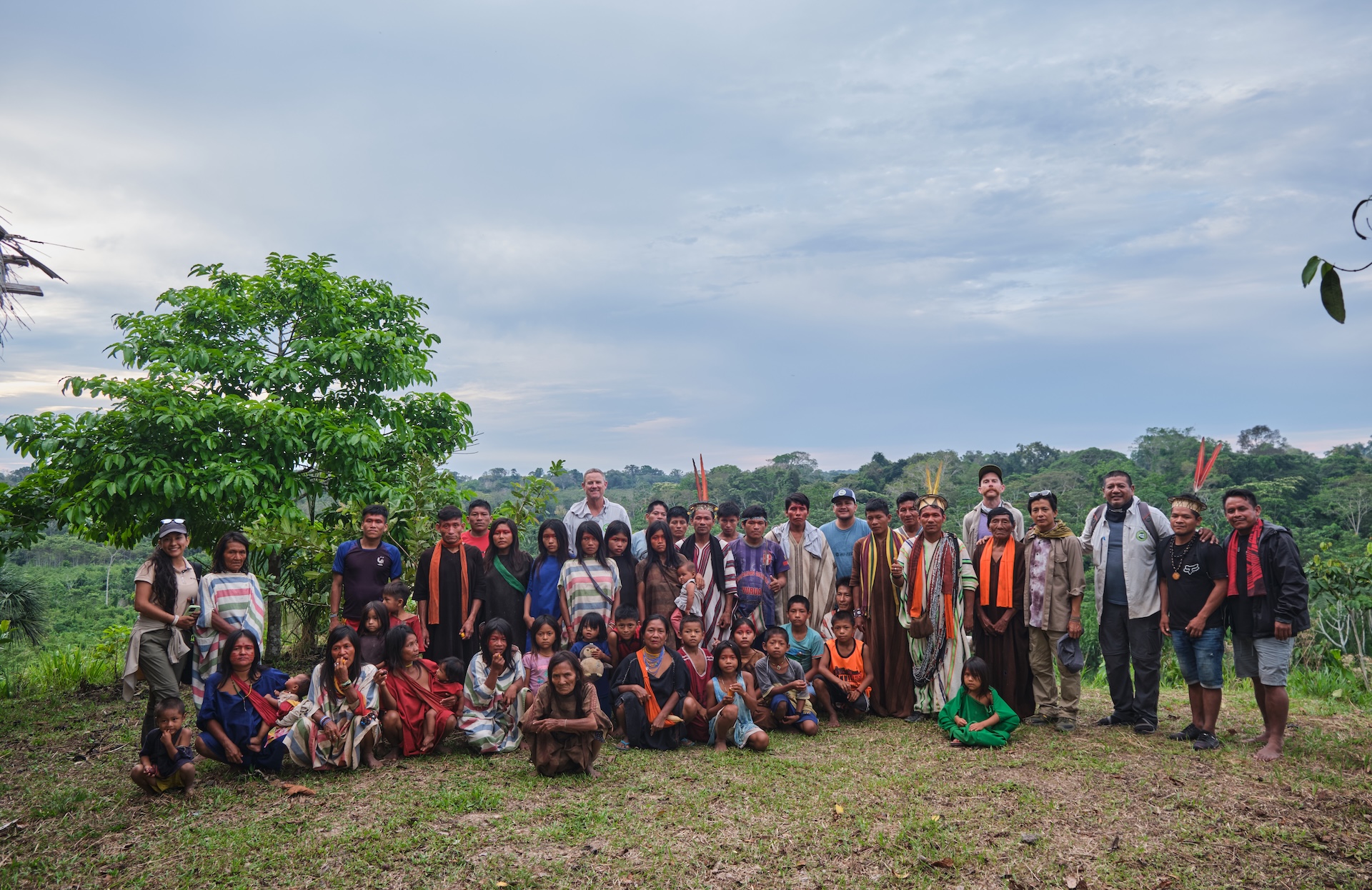
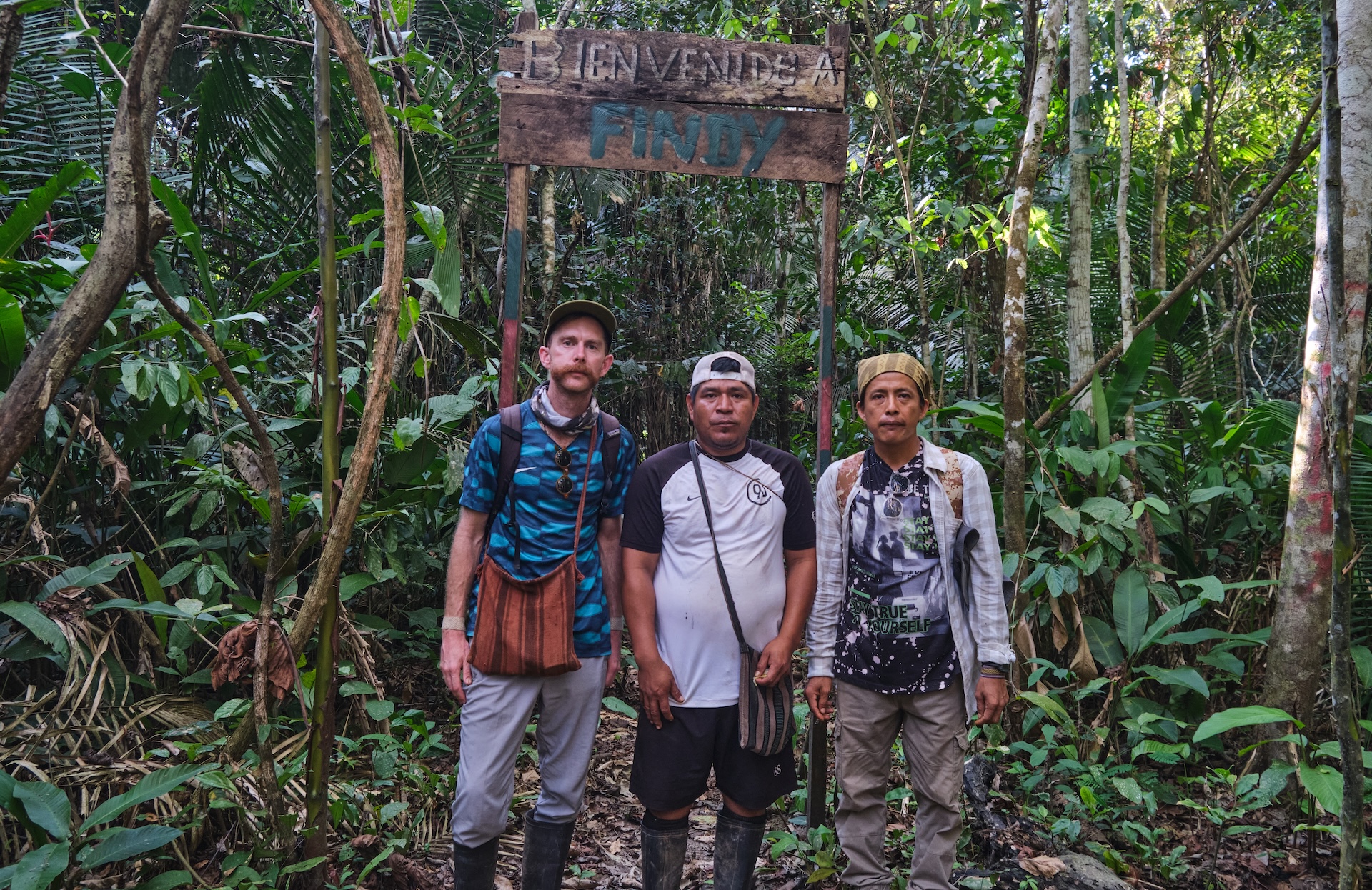
The following day, the UAC team returned to Pucallpa, while we remained in the Yurúa for several more days to visit families living in Puerto Breu and Santa Rosa. This additional time allowed us to deepen our understanding of the region and continue building relationships beyond the formal community meetings. Accompanied by Máximo Pérez, a Yaminawa leader and long-time collaborator of UAC, we visited a number of families and local initiatives. Among these was FINDY (Farmacia Indígena del Yurúa), a forest-based centre created to preserve and strengthen traditional Indigenous medicinal knowledge. Walking through the forest with Máximo, we were introduced to a wide variety of medicinal plant species, including shiringa, catahua, ayahuma and many others. More than a medicinal garden, FINDY serves as a living repository of ancestral knowledge, where traditional practices can be shared and maintained for future generations. The centre also functions as a meeting place for Indigenous communities from across the watershed when they travel to Puerto Breu.
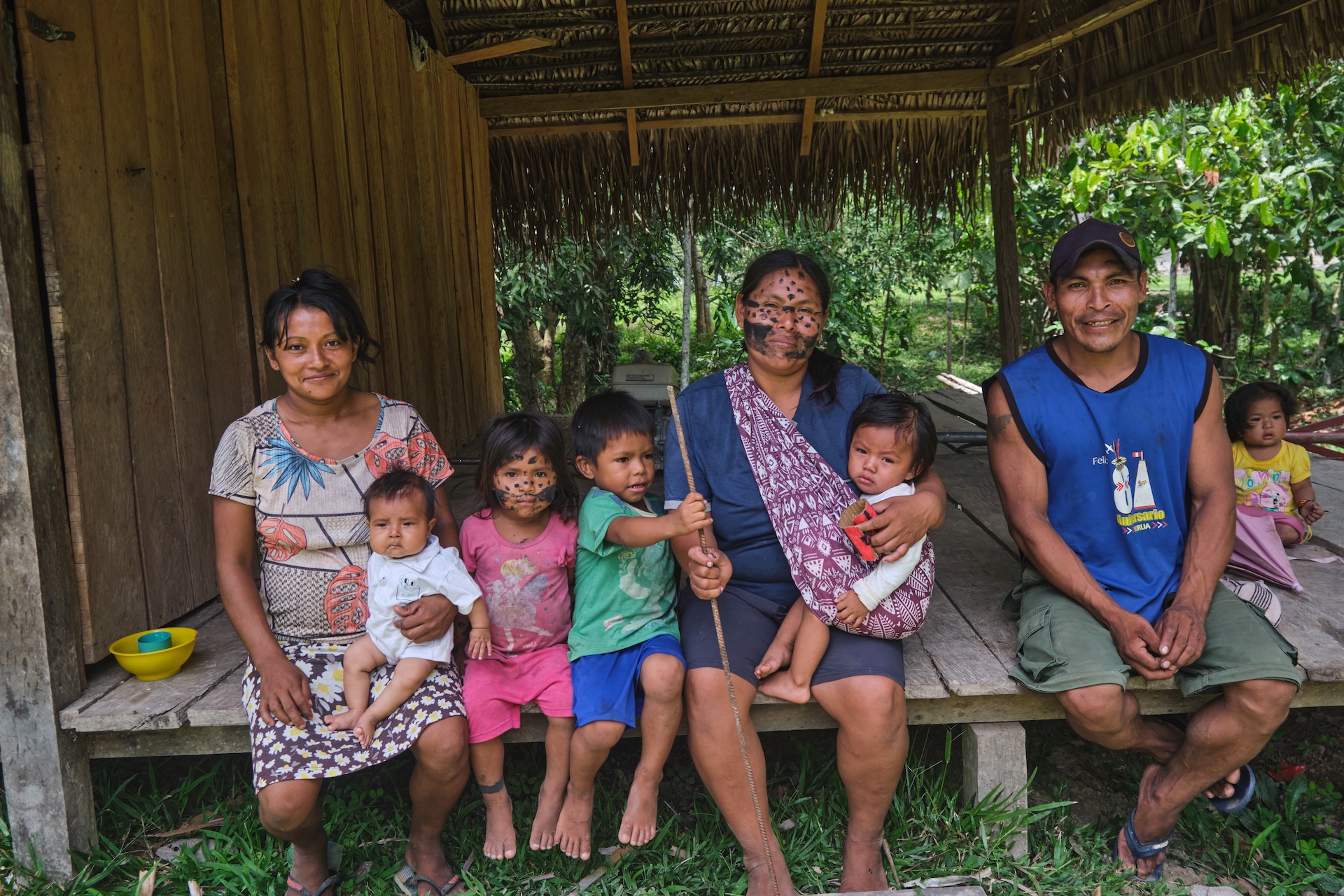
The following morning, we headed upriver towards the Brazilian border to visit the Amawaka community of Santa Rosa. The village was relatively quiet during our visit, as many community members were away in Pucallpa for work and other commitments. Nevertheless, the time we spent there proved both valuable and inspiring. We were warmly received by Lydia, a community leader who generously shared her knowledge of her Amawaka culture and history. Through our conversations, we gained a deeper appreciation for the challenges and aspirations of the community, as well as the importance of maintaining cultural practices in a rapidly changing world. Lydia also expressed an interest in establishing a relationship with Xapiri and exploring future opportunities for collaboration. Despite the brief nature of our visit, the encounter laid the foundations for what we hope will become an ongoing dialogue and partnership centred on the celebration and strengthening of Amawaka art, culture and identity.
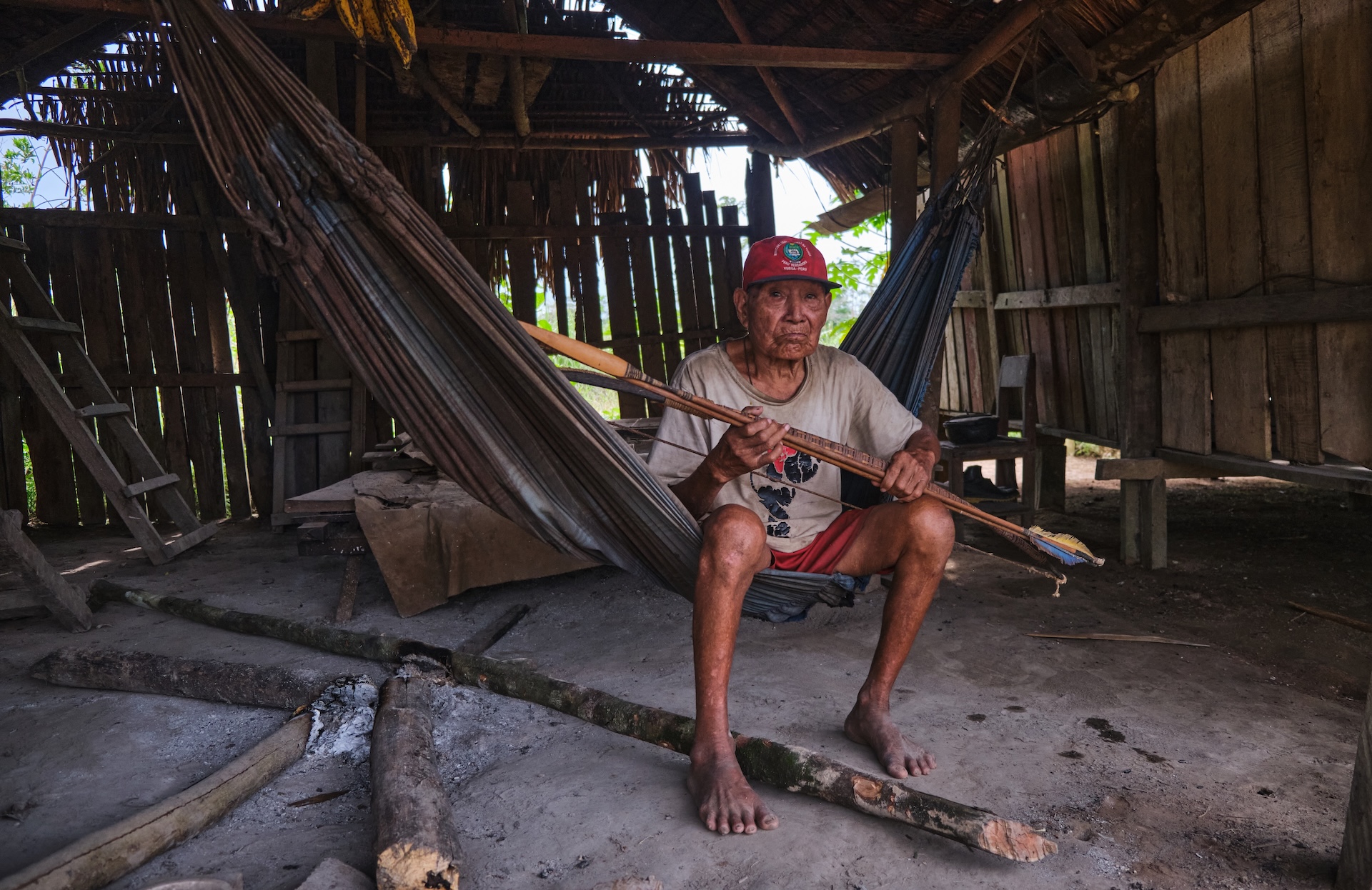
Our final afternoon was spent back in Puerto Breu, visiting several Yaminawa households belonging to Máximo’s extended family. Among those we met was his grandfather, Carlos, who shared his bows and arrows with us. The bow in particular was striking, distinguished by its intricate ‘piri piri’ woven detailing. We also spent time with other family members, learning about Yaminawa pipes, traditional healing practices, and the different crowns and adornments worn by women and men. These conversations offered a valuable insight into the richness of Yaminawa culture and were a fitting conclusion to our time in the Yurúa.
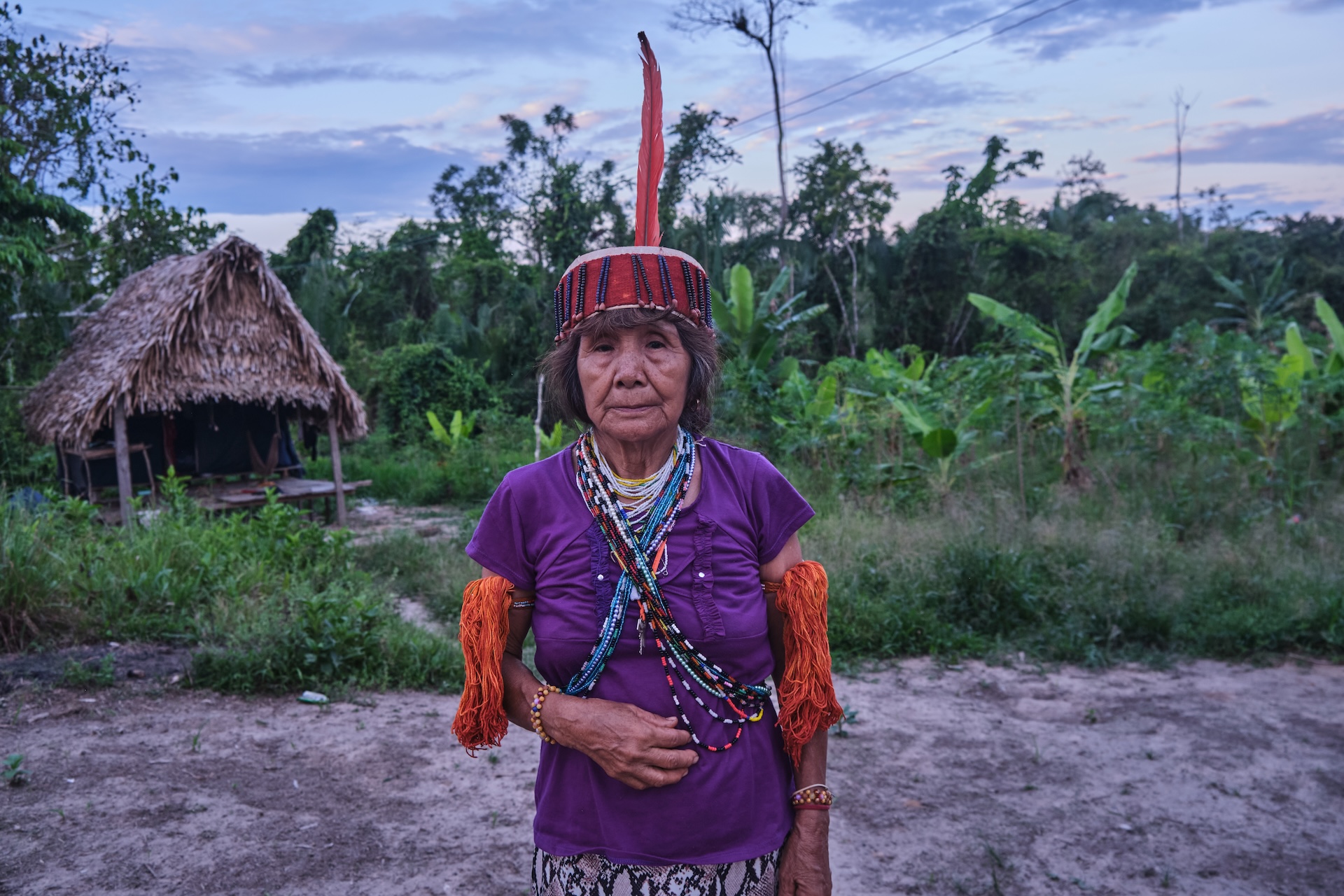
Through our conversations with families and community leaders from the diverse ethnic groups across the Yurúa, we came to understand that this was the first time an organisation had visited the region with a specific focus on cultural heritage, traditional arts and Indigenous knowledge. It reinforced for us the importance of listening and holding a creative space for exchange. We hope this visit marks the beginning of long-term friendships and collaborations, developed gradually through trust, respect and continued dialogue. Our sincere thanks go to all of the communities who welcomed us so generously and shared their time, knowledge and hospitality. We are also deeply grateful to Chris Fagan, William Villacorta and the entire UAC team for their dedicated and principled work in the Yurúa over many years. We look forward to continuing these relationships in support of art and cultural heritage in an effort to strengthen identity while opening up new opportunities that encourage the transmission of knowledge between generations.